
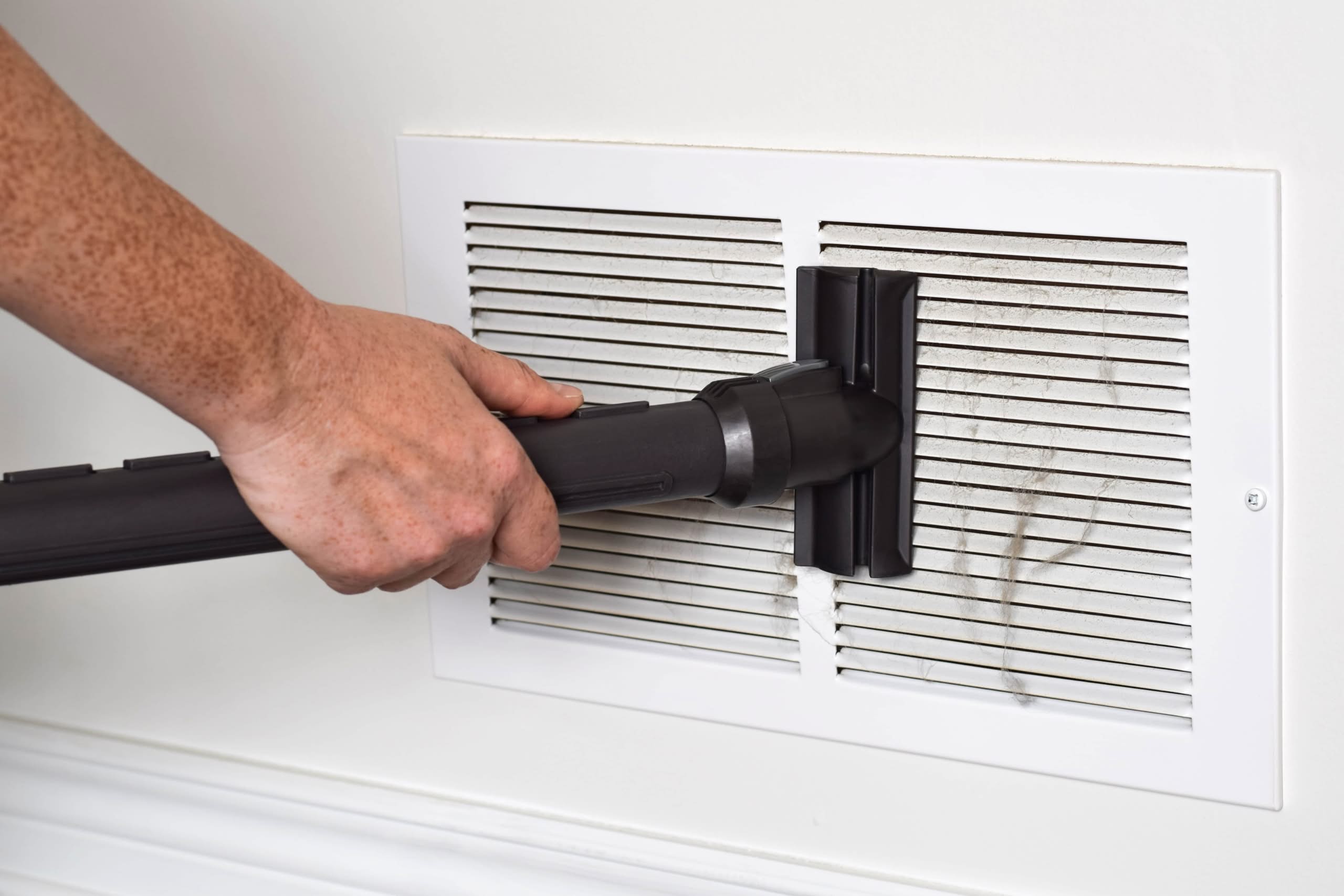
Trapped moisture in your vents is more than just a minor inconvenience; it is a burgeoning environmental hazard that thrives in the specific subtropical climate of Clermont, Florida. Most homeowners understand that lint is a fire hazard, but very few recognize it as a “sponge” that anchors toxic mold growth directly into the home’s ventilation architecture.
When you ignore the signs of restricted airflow, you aren’t just making your dryer work harder, you are potentially turning your laundry room into a source of airborne pollutants. In this definitive guide, we will break down the science of moisture retention, the health implications of mold spores, and why professional intervention is the only safe way to reclaim your home’s air quality.
The Anatomy of Trapped Moisture in Your Vents
To understand why trapped moisture in your vents is so dangerous, we have to look at the physics of a drying cycle. A standard clothes dryer pulls in ambient air, heats it to evaporate water from your laundry, and then exhausts that moisture-heavy air through a series of ducts.
In a perfect system, this vapor exits the home immediately. However, several factors lead to moisture entrapment:
- Long Duct Runs: Many homes in Clermont developments like Kings Ridge or Hartwood Marsh have dryers located in the center of the house, requiring 20–30 feet of ducting to reach an exterior wall.
- Vertical Terminations: When vents exit through the roof, the dryer must fight gravity to push heavy, wet air upward.
- Condensation Points: As the hot air travels through cooler wall cavities or attic spaces, it reaches its dew point, turning back into liquid water inside the pipe.
Once this water accumulates, it creates a “sludge” by mixing with fine particulate lint. This sludge doesn’t just dry out; it stays damp, creating a perpetual humidity reservoir.
Clermont’s Climate: The Perfect Storm for Mold
Clermont, Florida, presents a unique challenge for mechanical ventilation. With average humidity levels often exceeding 70%, the air being pulled into your dryer is already saturated.
In a drier climate, the air has more “room” to hold evaporated water. In Clermont, the margin for error is razor-thin. If your vent is even 10% restricted by lint, the backpressure prevents the moisture from escaping. This results in trapped moisture in your vents that simply cannot evaporate because the surrounding Florida air is too humid to absorb it. This environmental factor makes professional monitoring in Lake County a necessity, not a luxury.
The Hidden Biological Cycle: From Damp Lint to Toxic Spores
Mold requires three things to thrive: moisture, warmth, and an organic food source. Your dryer vent provides all three in abundance.
- The Food Source: Dryer lint is primarily composed of tiny cotton and synthetic fibers. These organic materials are an ideal substrate for mold colonies like Aspergillus and Cladosporium.
- The Incubation: Every time you run your dryer, you provide a fresh blast of 120°F to 150°F heat. This “re-warms” the damp lint, accelerating the metabolic rate of mold spores.
- The Colonization: Within 24 to 48 hours of moisture being trapped, mold can begin to colonize.
The most alarming part of this cycle is that dryer vents are not airtight. Many modern homes use “flex ducting” that can develop pinhole leaks. When mold grows in the trapped moisture in your vents, the pressure of the dryer can force microscopic spores through these leaks and into your wall cavities, where they can spread to your HVAC system and circulate throughout the entire house.
Indoor Air Quality (IAQ) and Your Respiratory Health
We spend approximately 90% of our time indoors. If the air in your home is being “filtered” through a moldy dryer vent, your family is at risk. According to the American Lung Association, damp indoor environments are linked to a significant increase in respiratory infections and the worsening of asthma.
Signs that your IAQ is being affected by trapped moisture in your vents:
- The “Musty” Laundry Smell: If your clothes smell like mildew even after a high-heat cycle, the mold is likely inside the vent and transferring spores back into the dryer drum.
- Increased Dusting Needs: A clogged vent causes lint to bypass the trap and settle on surfaces in the laundry room.
- Physical Symptoms: Residents may experience itchy eyes, throat irritation, or “morning congestion” that clears up once they leave the house.
The Economic Cost of Moisture-Induced Efficiency Loss
It isn’t just a health issue; it’s a financial one. When there is trapped moisture in your vents, your dryer’s “moisture sensor” will detect that the clothes are still damp. This forces the machine to run for extended cycles, sometimes 90 to 120 minutes for a single load.
- Energy Bills: Running a dryer for double the necessary time can add $15–$30 to your monthly Duke Energy or SECO bill.
- Appliance Longevity: The heating element and the drum motor are the two most expensive parts of a dryer. Overheating caused by restricted airflow significantly shortens the lifespan of these components.
- Fabric Damage: Excessive heat for prolonged periods breaks down the fibers in your clothing, leading to pilling, shrinking, and premature wear.
Why DIY Methods Fail: The Dangers of Amateur Cleaning
Many Clermont residents are savvy “Do-It-Yourselfers,” but dryer vent cleaning is one area where DIY can lead to disaster. We have seen countless cases where a $20 hardware store kit caused $2,000 in home repairs.
The Problem with Consumer Brushes
Standard DIY brushes are often made of stiff nylon with rigid plastic rods. While they might work for a short, straight pipe, they are notorious for:
- Puncturing Foil Ducts: Many Clermont homes use Mylar or foil “flex” transitions. A DIY brush can easily rip these, allowing trapped moisture in your vents to pour into your walls.
- Getting Stuck: If your vent has a 90-degree elbow, a DIY rod can snap off. Once a brush is stuck in a wall, it becomes a permanent dam that completely blocks airflow.
The “Blow-In” Effect
Without industrial-grade suction (HEPA vacuums), a DIYer often just pushes the wet lint further into the line, creating a “plug” at the exit point. This actually increases the concentration of trapped moisture in your vents rather than removing it.
The Professional Standard: Deep Cleaning and Sanitization
At Complete Dryer Vent Cleaning, we utilize a multi-stage process that a homeowner simply cannot replicate.
- Airflow Analysis: We use digital anemometers to measure the velocity of the air exiting the vent. This gives us a baseline of the restriction.
- Video Inspection: Using high-definition borescope cameras, we can see exactly where the trapped moisture in your vents is most severe. This allows us to spot mold or structural damage before we begin.
- Reverse-Vane Technology: We use high-pressure air snakes that “whip” the lint loose while simultaneously pulling it toward our vacuum system.
- Sanitization: If mold is present, we utilize EPA-registered antimicrobials that are safe for indoor use but lethal to mold spores. This ensures the biological hazard is neutralized.
Expert Maintenance Schedule for Lake County Homeowners
To keep your air quality high and your energy bills low, we recommend the following “Pro-Only” schedule:
| Household Size | Inspection Frequency | Key Warning Sign |
| 1-2 People | Every 18 Months | Clothes feel unusually hot to the touch. |
| 3-5 People | Every 12 Months | Top of the dryer is hot during operation. |
| 6+ People/Pets | Every 6-9 Months | Excessive lint appearing behind the dryer. |
Conclusion: Ensuring a Breathable Future
The link between trapped moisture in your vents and your family’s health is undeniable. In the unique climate of Clermont, you cannot afford to wait until a fire occurs or a mold infestation takes root. By choosing professional maintenance over risky DIY attempts, you are protecting your home’s value, your appliance’s lifespan, and, most importantly, the air you breathe.
Don’t let your dryer vent become a hidden health hazard. Complete Dryer Vent Cleaning is Clermont’s trusted authority in moisture mitigation and duct safety.

