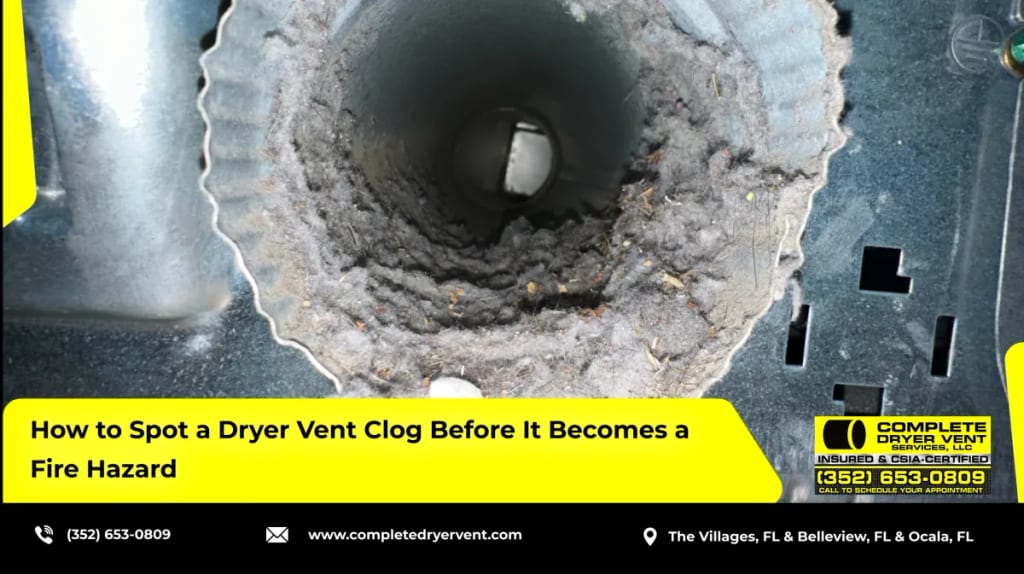

The Hidden Danger: Why Surface Cleaning Isn’t Enough
Internal dryer cabinet cleaning is the single most overlooked aspect of home fire safety. Most homeowners believe they are being diligent by cleaning the lint trap after every load and occasionally vacuuming the flexible hose behind their machine. While these are excellent habits, they address only a fraction of the actual fire risk.
The uncomfortable truth is that the majority of dryer fires do not start in the vent hose alone, they begin inside the dryer cabinet itself. This guide explores the “hidden hazard” of internal lint accumulation, the science of how these fires ignite, and why professional intervention is the only way to ensure your hom
e remains safe.
According to the National Fire Protection Association (NFPA), thousands of fires are reported annually where the “area of origin” was the equipment’s interior. When you ignore the chassis of the machine, you are essentially leaving a tinderbox inside your laundry room.
What is Internal Dryer Cabinet Cleaning?
When we refer to internal dryer cabinet cleaning, we are not talking about the drum where your clothes spin. Instead, we are focusing on the “void space” located between that drum and the outer metal shell (chassis) of the machine.
Over years of use, the seals within your dryer naturally degrade. This allows ultra-fine, highly combustible dust and lint to bypass the filter and settle on critical internal components. During a professional internal cleaning, a technician carefully disassembles the unit to access areas that are invisible and unreachable with standard household tools.
Key Areas Targeted During a Deep Clean:
- Heating elements and gas burner assemblies: Where the highest temperatures occur.
- Drive motors and belts: Moving parts that create friction and static.
- Internal wiring harnesses: Dust on wires can lead to electrical tracking and shorts.
- The blower wheel: Where lint buildup causes mechanical strain.
- The base of the chassis: Where “lint snow” often accumulates to depths of several inches.
Internal cleaning isn’t just a “wipe down”; it is a mechanical restoration of the unit’s safety parameters.
The Science of Combustion: How Dust Becomes Fuel
To understand the necessity of internal dryer cabinet cleaning, one must understand the physics of a fire. Dryer fires are the result of a simple but deadly chemical equation:
Heat + Oxygen + Fuel (Lint) = Combustion
Dryers operate through a delicate balance of mechanical friction, airflow, and intense heat. In an electric dryer, the heating element glows red hot; in a gas dryer, the burner produces an open flame.
When internal airflow is restricted, either by a clogged vent or internal buildup, the ambient temperature inside the cabinet rises significantly. Once this heat reaches the ignition point of the accumulated lint (which is incredibly low due to the dry, airy nature of the fibers), a fire can start instantly.
The Statistics You Need to Know:
| Metric | Data Source |
| Annual Dryer Fires | ~16,000 (NFPA) |
| Leading Cause | Failure to Clean (U.S. Fire Administration) |
| Major Origin Point | Internal Cabinet / Heating Element |
This fire is then fueled by the plastic components, lubricants, and additional lint inside the machine, allowing it to spread rapidly to the vent duct and the surrounding wall cavity.
Why Your Vent Hose is Only Half the Story
Standard maintenance typically focuses on the dryer vent line, the pipe leading from the back of the machine to the outside wall. While keeping this line clear is vital for airflow, it does nothing to remove the fuel source already trapped inside the machine’s body.
Analogy: Imagine your dryer as a fireplace. Cleaning the chimney (the vent hose) is important for smoke to escape, but if you have a pile of dry leaves sitting inside the firebox next to the flames (the internal cabinet), a stray spark will still cause a disaster.
Even if your vent hose and wall duct are spotless, lint trapped inside the dryer can cause the unit to overheat and ignite. This is why internal dryer cabinet cleaning must be paired with external vent cleaning for true safety.
The Risks of DIY Internal Cleaning
It is tempting to follow a YouTube tutorial to save money, but DIY internal dryer cabinet cleaning is strongly discouraged due to the high risks involved. Modern dryers are complex appliances with tight tolerances.
Electrical and Gas Risks
Dryers utilize high-voltage connections ($240V$) and sensitive electronic boards. Even when unplugged, certain components like capacitors can hold a lethal electrical charge. For gas dryers, moving the unit or opening the cabinet can easily kink or crack the gas line, leading to silent leaks or explosions.
Mechanical Errors and Voided Warranties
- Warranty Issues: Most manufacturers will immediately void your warranty if the chassis is disassembled by someone other than a certified technician.
- Reassembly Errors: If the drum is not aligned perfectly upon reassembly, it creates friction. This friction generates heat, which ironically increases the fire risk you were trying to prevent.
- Incomplete Cleaning: Homeowners often lack the compressed air tools or specialized vacuums needed to reach “critical lint pockets” behind motors.
5 Red Flags Your Dryer Needs Deep Service
You should not wait for a breakdown to service your machine. Look for these “Red Flags” that indicate lint has migrated into the cabinet and you require internal dryer cabinet cleaning:
- The “Burning” Smell: A faint scent of scorched fabric or musty odors while the dryer is running. This is often the smell of “lint snow” getting singed by the heating element.
- Excessive Heat: The top or sides of the dryer cabinet feel hot to the touch, or the laundry room becomes unusually humid and warm.
- Long Dry Times: If clothes take more than one cycle to dry, your airflow is restricted, which forces lint to back up into the cabinet.
- Debris Under the Unit: If you see lint “snowing” or accumulating around the base of the dryer, the internal cavity is likely overflowing.
- Mid-Cycle Shut-offs: The dryer stops running before the timer is up, often due to a thermal safety switch tripping from internal overheating.
Frequency Recommendation: Most dryers require professional internal cleaning every 1 to 3 years, depending on your household size and whether you have pets.
Professional vs. Basic Maintenance Comparison
What happens during a professional service that you can’t do at home? The following table illustrates the difference between basic upkeep and a deep professional internal dryer cabinet cleaning:
| Feature | DIY / Basic Maintenance | Professional Internal Cleaning |
| Lint Trap Cleaning | Yes | Yes |
| Vent Hose Vacuuming | Partial (only what you see) | Comprehensive (end-to-end) |
| Cabinet Disassembly | No | Yes |
| Motor & Heater Inspection | No | Yes |
| Airflow Testing | No | Digital Anemometer Testing |
| Safety Guarantee | None | Fully Insured & Certified |
The EEAT Standards of Dryer Safety
When choosing a service provider, Complete Dryer Vent operates under the Experience, Expertise, Authoritativeness, and Trustworthiness principles to ensure the highest level of safety.
- Experience: Our technicians have handled thousands of dryer configurations, ranging from industrial units to stackables in tight spaces.
- Expertise: Professionals understand the mechanical physics of airflow and combustion, ensuring they don’t just “vacuum” but actually restore the system’s integrity.
- Authoritativeness: We adhere to the standards set by the CSIA (Chimney Safety Institute of America) for dryer exhaust technician certifications.
- Trustworthiness: We provide comprehensive before-and-after documentation so you can see the specific hazards removed from your machine.
Beyond Safety: Efficiency and Appliance Longevity
While fire prevention is the primary goal, internal dryer cabinet cleaning is also a preventative investment that saves you money in the long run.
A clean dryer provides several benefits:
- Reduced Energy Bills: Clothes dry faster, requiring less electricity or gas.
- Fewer Repairs: Removing lint reduces the strain on heating elements and motors, which are expensive to replace.
- Extended Life: Your appliance will last longer when it doesn’t have to work twice as hard to push air through a clogged system.
When the internal components are free of debris, the motor runs cooler and the belt experiences less “drag,” extending the life of your appliance by up to 50%.
Conclusion: Priority for Peace of Mind
Your home should be your sanctuary, not a place of hidden risks. While internal dryer cabinet cleaning isn’t a monthly task, it is a critical component of annual home maintenance.
A clean vent does not mean a safe dryer. True safety requires looking where you can’t see, inside the cabinet, near the heat source, where the fires actually begin. Don’t gamble with your family’s safety by attempting a DIY fix or settling for a basic vent brushing. Trust the professionals who have the training, tools, and insurance-backed expertise to protect your home.
Optimize Your Home Safety Today
Ready to clear out the hidden fire hazards in your laundry room?
Schedule your Professional Internal Dryer Cabinet Cleaning with Complete Dryer Vent now!