
Beyond the Lint Trap: Why You Need a Professional Dryer Vent Tech
Hiring a professional dryer vent tech is the most effective way to eliminate fire hazards, optimize appliance airflow, and reduce your monthly energy bills. While many homeowners prioritize HVAC check-ups or roof repairs, neglecting your dryer’s exhaust system allows highly flammable lint to build up over time. Specialized maintenance goes beyond basic vacuuming, utilizing pneumatic tools and scientific airflow measurements to ensure your home remains safe and efficient.
📌 Key Takeaways
-
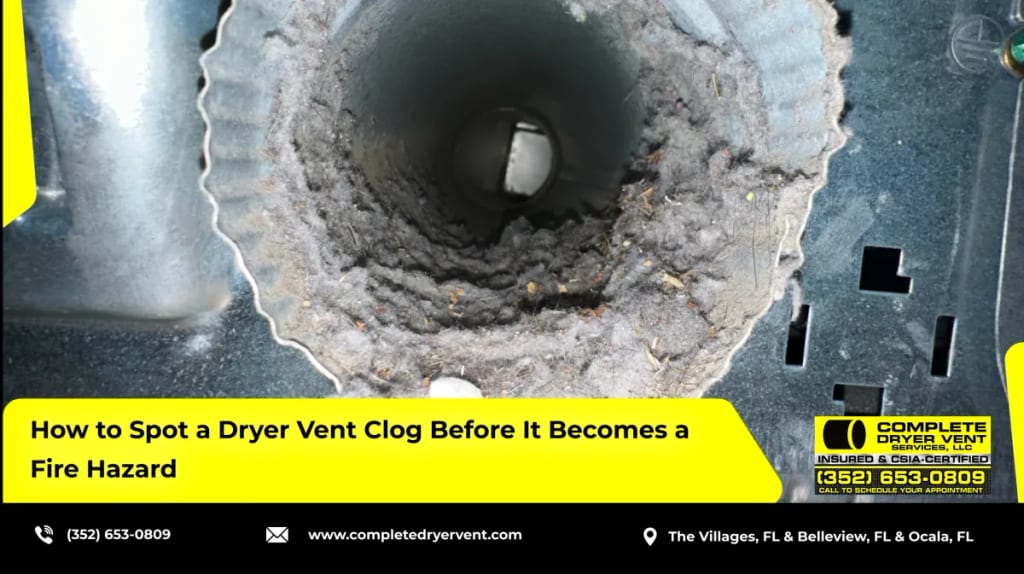
Fire Prevention: Professional intervention removes compacted lint, which is the leading cause of dryer-related structure fires.
-
Scientific Approach: Specialists measure static pressure and airflow velocity to ensure your machine operates at manufacturer standards.
-
Cost Savings: A clean vent reduces drying time, saving you up to $500 annually in wasted electricity or gas.
-
Avoid DIY Disasters: Standard hardware store brush kits often compact clogs or detach hidden ductwork inside your walls.
-
Tool Superiority: Pros use digital anemometers, high-pressure air skips, and video inspection cameras for guaranteed clearance.
Table of Contents
-
The Professional Difference
-
The Science of Airflow and Static Pressure
-
Why DIY Cleaning Often Fails
-
Advanced Tools of the Trade
-
The Financial ROI
-
Commercial vs. Residential Needs
-
Frequently Asked Questions (FAQ)
-
Conclusion & Next Steps
The Professional Difference
Quick Answer: A certified dryer vent tech treats your home’s ventilation as a complex system, focusing on backpressure, code-compliant materials, and routing efficiency rather than just sweeping out visible lint.
A certified dryer vent tech is much more than a cleaner with a brush. In our niche industry, we view ventilation as a complex pulmonary system for your home. While a general handyman might simply “clear the line,” a true specialist understands the nuances of exhaust routing.
At Complete Dryer Vent, we treat every home with the experience gained from thousands of successful clearances. We do not just remove lint; we optimize the entire exhaust path. This ensures your machine breathes exactly the way the manufacturer intended, preventing dangerous heat buildup.
💡 Expert Insight: According to the National Fire Protection Association (NFPA), failure to clean the dryer is the leading cause of home clothes dryer fires. Regular professional maintenance is your best defense.
The Science of Airflow and Static Pressure
Quick Answer: Static pressure is the resistance your dryer’s motor must overcome. Excessive pressure triggers safety thermostats to fail, increasing fire risks and drying times.
This is where true expertise matters. A professional tech looks at static pressure, which is the resistance the dryer’s blower motor must overcome to push moist air outside.
When a vent is restricted by lint or improper routing, static pressure skyrockets. This triggers the high-limit thermostat. Over time, constant tripping causes this safety switch to wear out or fail entirely, leading to a catastrophic fire hazard.
📊 Data Point: Proper airflow ensures that moist air is evacuated quickly. A healthy exhaust system should move air at a velocity of at least 1,500 feet per minute (FPM) to keep lint suspended and moving outward.
Why DIY Cleaning Often Fails
Quick Answer: DIY kits often push clogs deeper into the system, detach hidden ducts, and fail to reach critical roof or wall exit points safely.
Many homeowners buy a basic $20 brush kit and assume the job is done. However, without the training of a dryer vent tech, DIY attempts often worsen the situation.
-
Compacting the Clog: Cheap plastic brushes frequently push lint into elbows and 90-degree turns. This creates a dense “plug” that is significantly harder to remove.
-
Detached Ducts: If a brush gets stuck, homeowners often pull too hard. This can disconnect the duct completely behind the drywall, venting humid air directly into your home’s framing.
-
Missing the Exterior Vent: Most DIYers lack the safety equipment required to clean the exit point on a steep roof or second-story wall.
⚠️ Common Mistake: Never use a leaf blower to clear a dryer vent. The intense pressure can easily blow apart the taped joints of your ductwork inside the walls, leading to massive structural moisture damage.

Warning Signs You Need Help
Quick Answer: Extended drying times, excessive heat in the laundry room, musty odors, and visible lint outside are prime indicators of a severe blockage.
You wouldn’t ignore a “Check Engine” light in your vehicle. Do not ignore these critical signs that you need to contact a professional:
-
Extended Drying Times: If a standard load of laundry takes more than 45 minutes to dry, your vent is likely 50% or more restricted.
-
Excessive Heat: If the top of the dryer or the ambient air in the laundry room feels like an oven, dangerous heat is not escaping.
-
The “Musty” Smell: Trapped lint holds onto moisture, creating a perfect breeding ground for mold and mildew inside your walls.
-
Debris Outside: If you see lint accumulating on the ground beneath your exterior louver flap, the internal walls of the pipe are already heavily coated.
Advanced Tools of the Trade
Quick Answer: Professionals use digital anemometers to measure airflow, pneumatic air skips to obliterate clogs, and video inspection cameras to guarantee the line is clear.
What truly sets a dryer vent tech apart is the specialized equipment. We use industrial-grade tools that go far beyond a standard shop vacuum:
-
Digital Anemometers: These sensitive devices measure the wind speed at the exit point, allowing us to scientifically verify system health.
-
High-Pressure Air Skips: We utilize compressed air nozzles to “flail” inside the duct. This knocks loose baked-on lint that traditional brushes leave behind.
-
Video Inspection Cameras: To prove our trustworthiness and Experience, Expertise, Authoritativeness, Trustworthiness, we often show customers live, illuminated footage of their freshly cleaned vents.
The Financial ROI of Professional Maintenance
Quick Answer: Professional cleaning pays for itself by reducing energy usage by up to $500 annually and preventing expensive $300+ heating element repairs.
Hiring a dryer vent tech is an upfront investment that yields immediate and long-term financial returns.
| Benefit | Financial Impact | Description |
| Energy Savings | Up to $500/year | A clean vent saves roughly $0.50 to $1.00 per load in electricity or gas. |
| Repair Prevention | $300+ per incident | Restricted vents are the #1 cause of blown heating elements and thermal fuses. |
| Appliance Lifespan | Thousands saved | Optimal airflow prevents motor burnout, extending the dryer’s life by years. |
✅ Quick Tip: Check with your home insurance provider. Some carriers offer premium discounts for providing documented proof of annual professional maintenance on high-risk home systems.
Commercial vs. Residential Ventilation Needs
Quick Answer: While homes need annual cleanings, commercial facilities require frequent, high-volume service to manage massive daily lint output and avoid legal liabilities.
While an average homeowner might need a dryer vent tech once a year, commercial facilities—such as laundromats, hotels, and pet groomers—require a much more rigorous schedule.
Commercial dryers process massive volumes of fabric and air. A single day of lint buildup in a busy 200-room hotel can equal an entire month of buildup in a residential house. For commercial property managers, maintaining an ongoing relationship with a specialist is a matter of legal liability, fire code compliance, and operational uptime.
Frequently Asked Questions (FAQ)
How often should I hire a dryer vent tech?
The industry standard recommendation is to have a professional inspect and clean your system once a year. However, large families or homes with multiple pets may require service every six to eight months.
Can a clogged vent permanently damage my dryer?
Yes. Severe clogs cause extreme backpressure and overheating. This frequently burns out the heating element, blows the thermal fuse, and degrades the blower motor, often resulting in complete appliance failure.
Is DIY dryer vent cleaning ever safe?
You can safely clean the lint screen and the immediate back of the machine yourself. However, cleaning the actual ductwork inside the walls or up to the roof should be left to a dryer vent tech to avoid compacting clogs or detaching pipes.
How long does a professional cleaning take?
A standard residential cleaning performed by an experienced dryer vent tech typically takes between 45 minutes to an hour and a half, depending on the length and routing complexity of the ductwork.
What is the difference between a dryer vent tech and a standard handyman?
A specialized tech understands airflow physics, static pressure, and specific fire codes. They also carry pneumatic tools and anemometers designed specifically for deep duct extraction, whereas a handyman usually relies on basic, less effective brush kits.
Conclusion & Next Steps
The evidence is clear: enlisting the help of a professional dryer vent tech is essential for maintaining a safe, energy-efficient home. By moving beyond ineffective DIY methods and investing in scientific, pneumatic cleaning, you protect your property from devastating fires and keep your monthly utility costs as low as possible.
Don’t wait for a burning smell to take action. Take control of your home’s safety today:
-
Check the airflow coming out of your exterior vent flap while the dryer is running.
-
Monitor your next load of laundry to see if it takes longer than 45 minutes to dry.
-
Contact the experts at Complete Dryer Vent to schedule a professional inspection and airflow test.