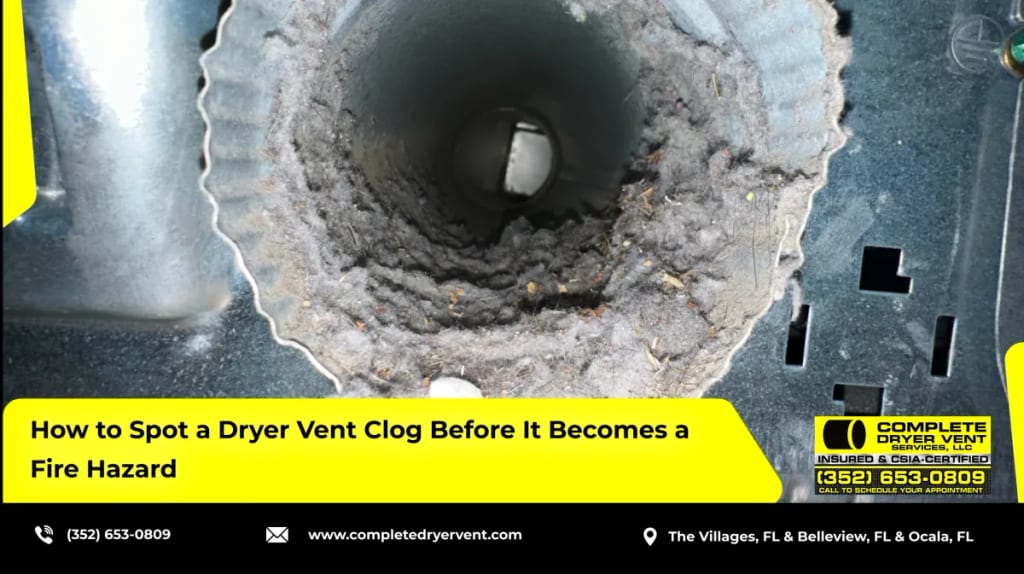
When your dryer smells hot, it usually means heat is building up somewhere it shouldn’t — often trapped lint, a blocked vent, or an overworked heating element. This isn’t just an annoyance; it’s one of the most common early warning signs of a dryer fire. According to the U.S. Fire Administration, thousands of home dryer fires happen every year, and failure to clean the appliance or its venting is the leading cause.
If you’ve noticed a hot, dusty, or faintly scorched odor coming from your machine, don’t just run another load and hope it passes. That smell is your dryer telling you something is restricting airflow or overheating internal parts. In this guide, we’ll walk through exactly what causes a dryer to smell hot, how to tell if it’s an easy fix or a fire hazard, and when to call a certified technician in Central Florida.
📌 Key Takeaways
- A hot smell almost always points to lint buildup, a clogged vent, or a failing heating component.
- Stop using the dryer immediately if you also notice smoke, a burning rubber odor, or scorch marks.
- Vents should be professionally cleaned at least once a year in humid Florida climates.
- A CSIA Certified Dryer Exhaust Technician can inspect airflow and internal components safely.
- Homeowners in Oxford, The Villages, and Wildwood should be extra cautious after hurricane season debris buildup.
Jump to a section:
- Understand Why Heat and Odor Build Up
- Know the Difference Between Smells
- Check These Common Culprits First
- Learn When It’s a Real Fire Risk
- See How Professional Cleaning Helps
- Read Frequently Asked Questions
Understand Why Heat and Odor Build Up
Quick Answer: A dryer smells hot mainly because trapped lint and restricted airflow force the heating element to work harder than it should. That extra heat has nowhere to escape, so it radiates the odor you’re smelling.
Every dryer cycle pushes hot, moist air through a duct system to the outside of your home. When lint accumulates along the drum, the vent, or the exhaust duct, that airflow slows down dramatically. The heating element then runs longer and hotter trying to dry clothes, which is exactly when you start noticing a warm, dusty smell.
The Role of Lint and Airflow
Lint is highly flammable and builds up fast, especially with daily laundry loads. A restricted vent doesn’t just smell bad — it raises the internal temperature of the dryer cabinet.
💡 Expert Insight: In my inspections across Marion and Sumter counties, I’ve found that homes running loads daily accumulate enough lint in the exhaust duct within 6-8 months to noticeably slow drying times.

Know the Difference Between Smells
Quick Answer: Not every odor means the same thing — a hot dusty smell is different from a sharp chemical smell, and knowing the difference helps you react appropriately.
Homeowners describe this issue in many ways, and each phrase can hint at a different cause. A dryer smells like burning rubber usually means a belt or motor pulley is overheating from friction. A dryer smells like burning plastic often points to melted lint near electrical components or a stuck button.
Smoke, Charcoal, and Cigarette-Like Odors
When a dryer smells like smoke or like charcoal, it typically signals scorched lint sitting directly against the heating coil. Some homeowners describe a dryer smells like cigarette smoke odor, which is often stale lint residue combined with heat, not an actual fire — but it still warrants immediate attention.
| Smell Description | Likely Cause | Urgency Level |
|---|---|---|
| Warm, dusty smell | Lint buildup, weak airflow | Moderate — schedule cleaning soon |
| Burning rubber | Worn belt or pulley friction | High — stop use, inspect promptly |
| Burning plastic | Melted lint near electrical parts | High — turn off immediately |
| Smoke or charcoal | Scorched lint on heating coil | Urgent — do not run another load |
| Cigarette-like odor | Old lint residue reheating | Moderate — clean vent system |
⚠️ Common Mistake: Many homeowners assume a burnt smell will simply air out after a few cycles. Running the dryer again with a blocked vent only adds more heat stress to the same problem.
Check These Common Culprits First
Quick Answer: Before calling a professional, check the lint trap, the exterior vent hood, and the length of your duct run — these three spots cause the majority of overheating issues.
Start with the obvious: clean the lint screen after every single load, not just occasionally. Next, walk outside and check that the exterior vent flap opens freely when the dryer runs. A stuck or crushed flap traps hot air right back into the duct.
Duct Length and Design Problems
Long or overly bent duct runs are common in Central Florida homes with dryers tucked into interior closets or garages. Our dryer vent rerouting guide explains how poor duct design forces dryers to overheat even with a clean lint trap.
📊 Data Point: The Consumer Product Safety Commission notes that failure to clean dryers and their venting is consistently cited among the top contributing factors in residential dryer fire incidents.

When the Heating Element Is the Problem
If you’ve cleaned the vent and lint trap and the smell persists, the heating element or thermostat may be malfunctioning internally. This is a job for a qualified appliance technician rather than a DIY fix, since it involves electrical components.
Learn When It’s a Real Fire Risk
Quick Answer: Treat any burning smell paired with smoke, visible scorching, or an unusually hot exterior vent cover as an active fire risk and shut the dryer off immediately.
A hot smell alone is a warning sign. A burning rubber or plastic smell combined with smoke means conditions for ignition may already exist. The National Fire Protection Association recommends stopping use immediately and having the appliance and venting inspected before running it again.
Real Scenario From the Field
I once inspected a home in Wildwood where the homeowner said her clothes dryer smells like burning every time she ran a full load. We found nearly two feet of compacted lint inside a crushed flexible duct behind the wall — a setup just one clogged cycle away from a serious hazard.
✅ Quick Tip: If you smell anything unusual, unplug the dryer, let it cool completely, and avoid running it again until the vent and internal cabinet have been checked.
Our burning smell in dryer safety guide covers step-by-step actions to take the moment you notice this odor.
See How Professional Cleaning Helps
Quick Answer: A professional dryer vent cleaning removes compacted lint and debris that household vacuums simply can’t reach, restoring safe airflow and eliminating the hot smell at its source.
As a CSIA Certified Dryer Exhaust Technician, I use specialized brushes and negative-air equipment to clear the entire duct run — not just the section you can see. This matters most in Florida, where humidity causes lint to clump and stick to duct walls faster than in drier climates.
DIY vs. Professional Service
Many homeowners try a shop-vac or dryer vent cleaning kit first, and that’s a reasonable starting point for light maintenance. But compacted lint deep in long runs, crushed sections, or rooftop terminations usually require professional tools and training.
| Task | DIY Approach | Professional Service |
|---|---|---|
| Lint trap cleaning | Easy, do after every load | N/A |
| Visible duct debris | Vacuum attachment, limited reach | Full rotary brush cleaning |
| Long or bent duct runs | Difficult, risk of damage | Specialized equipment, full clearance |
| Internal cabinet lint | Not accessible safely | Internal cabinet cleaning service |
| Suspected fire hazard | Not recommended | Immediate professional inspection |
For households in Oxford, The Villages, and Wildwood, we recommend our clogged dryer vent repair service if airflow has been reduced for a while, and our dryer cleaning service for routine annual maintenance.
💡 Expert Insight: Homes that skip annual cleaning for two or more years often show noticeably higher drying times and warmer exterior vent covers — both signs of restricted airflow building toward a hazard.

We also offer dryer vent safety inspections for homeowners who just want peace of mind, especially after storm season when debris and nesting materials can clog exterior vent hoods.
Frequently Asked Questions
Why does my dryer smell hot even after I clean the lint trap?
A clean lint trap only removes surface lint; deeper buildup inside the duct or drum vents can still restrict airflow. Full duct cleaning is often needed to fully resolve the smell.
Is it dangerous if my dryer smells like burning rubber?
Yes, a burning rubber smell often signals a worn belt or overheating motor component rubbing against another part. You should stop using the dryer and have it inspected before running it again.
What does it mean if my dryer smells burnt inside the drum?
A burnt smell inside the drum usually means lint or fabric residue has scorched against the heating element. This typically requires an internal cabinet cleaning to remove the buildup safely.
Can a clogged vent make my dryer smell like smoke?
Yes, a clogged vent traps hot air inside the appliance, which can scorch trapped lint and create a smoky odor. This is considered an urgent situation that warrants immediate professional attention.
How often should dryer vents be cleaned in Florida homes?
Most homes in Central Florida, including Oxford and Wildwood, benefit from professional cleaning at least once a year due to humidity and heavy lint accumulation. Homes with pets or large families may need cleaning more often.
Why does my dryer smell like cigarettes even though no one smokes?
Old lint residue reheating repeatedly can develop a stale, smoky odor that resembles cigarette smoke. It’s a sign the vent hasn’t been cleaned in a while and airflow is likely restricted.
Should I stop using my dryer if it smells hot but there’s no smoke?
Yes, it’s safest to stop and inspect the lint trap, exterior vent, and duct before running another cycle. Continuing to use it under heat stress increases fire risk over time.
Final Thoughts
A dryer that smells hot is rarely a random glitch — it’s almost always tied to restricted airflow, lint buildup, or a component working harder than it should. Catching it early, whether it’s a mild dusty odor or a sharper burning rubber or plastic smell, protects both your appliance and your home. As of 2026, professional inspection remains the most reliable way to confirm whether the issue is simple maintenance or a genuine fire risk.
Next steps:
- Unplug the dryer if you notice smoke, scorching, or a strong burning smell.
- Clean the lint trap and check the exterior vent hood for blockages.
- Schedule a professional inspection if the smell persists after basic cleaning.
- Book annual duct cleaning to prevent future buildup, especially before hurricane season.
Complete Dryer Vent is a CSIA Certified Dryer Exhaust Technician team serving Oxford, The Villages, Wildwood, and surrounding Central Florida communities. Schedule your inspection today through our booking page and breathe easier knowing your vent system is safe.