
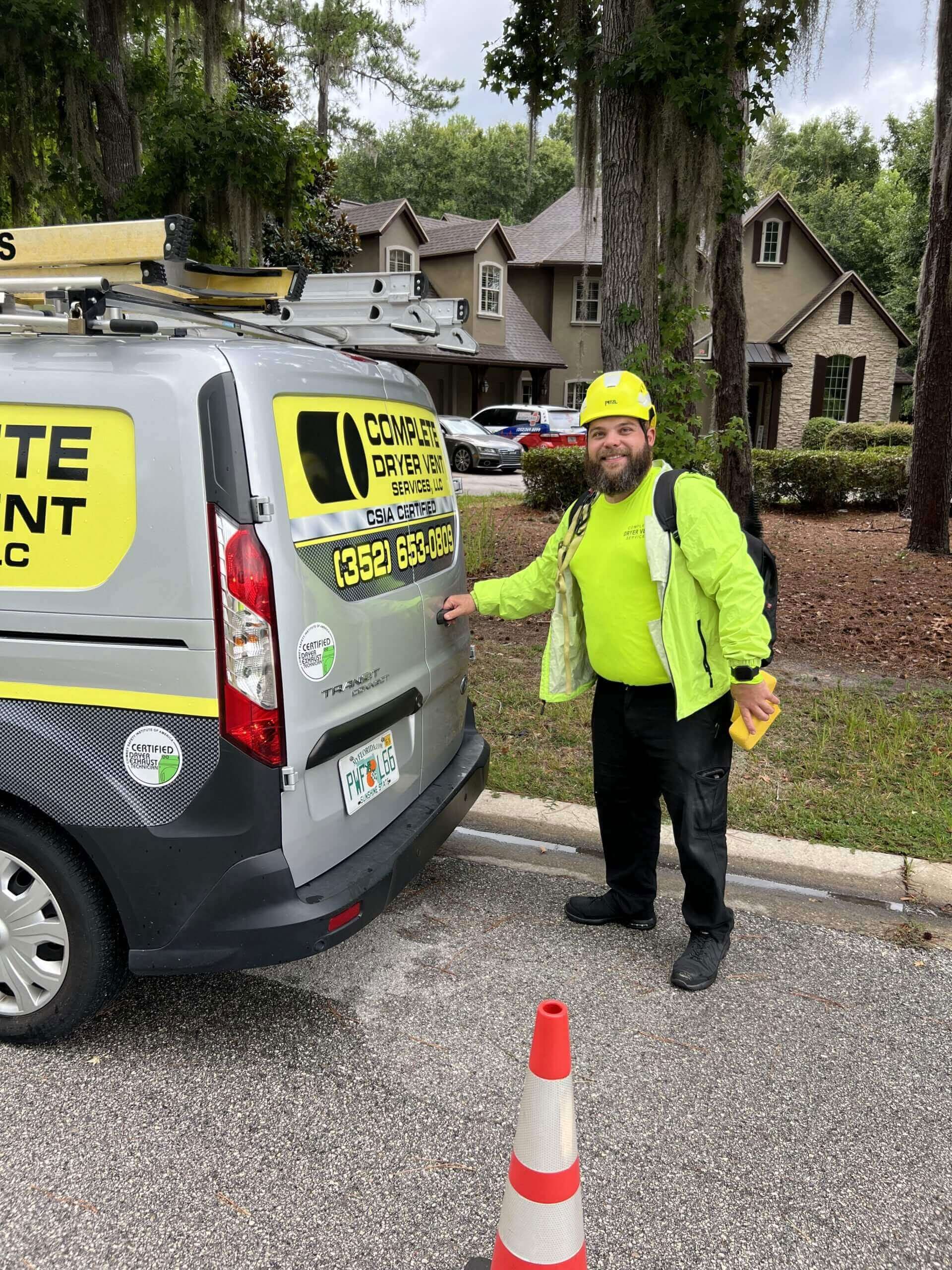
Why August Is the Most Critical Month for a Certified Vent Sweep in The Villages
As mid-summer settles across Central Florida, homeowners in The Villages are well-accustomed to the rhythms of seasonal home care. Managing intense heatwaves, prepping for peak hurricane season, and ensuring your HVAC systems survive the elements are standard tasks on any local checklist. However, a Certified Vent Sweep addresses a critical, hidden hazard that frequently slips through the cracks until it manifests as an expensive, dangerous emergency: your residential dryer vent system.
Scheduling a professional Certified Vent Sweep this August is not just an optional household chore. It is an essential, proactive step to safeguard your property, protect your loved ones, and keep your utility bills from skyrocketing.
While many active adult residents in our 55+ communities are tempted to tackle lint removal as a casual weekend DIY project, the combination of intense Florida humidity and complex, code-specific home architecture makes specialized professional intervention absolute. Let us break down precisely why August serves as the ultimate turning point for your annual laundry exhaust maintenance. A certified, specialized technician is the only clear path to a safe, highly efficient home.
Quick Summary: Why August Matters
The Threat: Heavy summer laundry loads combine with extreme Florida humidity to create a sticky, cement-like lint sludge inside exhaust lines.
The Risk: DIY cleaning kits routinely puncture hidden drywall duct connections or compress clogs deeper into walls, amplifying fire risks.
The Solution: A certified professional clearing method restores optimal airflow, protects your appliances, and drops soaring summer utility costs immediately.
Table of Contents
The Hidden Dangers of an Obstructed Dryer Vent Line
The August Conundrum: How Heat and Florida Humidity Combine Forces
The Danger of DIY: Why Retail Brush Kits Frequently Fail
The Structural Vulnerability of Modern Villages Floor Plans
What Actually Happens During a Comprehensive Certified Vent Sweep?
Financial Paybacks: Maximizing Energy Efficiency in the Sweltering Heat
Integrating Your Annual Laundry Care with Local Architectural Guidelines
Secure Your Peace of Mind: Schedule with Complete Dryer Vent Services
Frequently Asked Questions
1. The Hidden Dangers of an Obstructed Dryer Vent Line
Every single time your clothes dryer executes a cycle, it strips away millions of microscopic fabric fibers from your garments, creating lint. While the appliance’s sliding lint screen traps a decent percentage of this material, a significant volume escapes past the mesh. It drifts deep into your internal exhaust ductwork.
Over a 12-month period, this fine debris continuously accumulates along the pipe wall. The buildup constricts vital exhaust airflow like a clogged artery.
According to data compiled by the National Fire Protection Association (NFPA), clothes dryers are a primary source of residential structural fires across the country. Shockingly, the leading contributing factor to these fires is a simple failure to adequately clean out highly flammable lint obstructions. A comprehensive Certified Vent Sweep is the most reliable proactive countermeasure available to homeowners.
Critical Warning Signs of a Clogged Vent System
Your clothing requires two or more consecutive cycles to dry completely.
The outer casing of your dryer or your entire laundry room feels intensely hot during operation.
A distinct, musty, or burning odor manifests whenever a cycle is running.
The exterior louvers on your outside vent cap remain completely closed or barely flutter when the appliance is active.
When exhaust airflow is severely restricted, the operational temperature inside your appliance can quickly surpass safe thresholds. This intense, trapped thermal energy can easily ignite the highly flammable tinder box of lint packed inside the line.
In a master-planned community like The Villages, where many beautiful courtyard villas and patio homes are built in intentional proximity, a fast-moving utility fire can rapidly cross property lines. This threatens your neighbors and results in catastrophic structural and emotional damage.
2. The August Conundrum: How Heat and Florida Humidity Combine Forces
You might naturally wonder why August stands out as the single most critical month to prioritize a comprehensive Certified Vent Sweep. The answer is directly tied to the unique meteorological demands of a Central Florida late summer.
By the time August arrives, your laundry appliances have already endured several months of intense, heavy-duty summer usage. Beach towels, pool gear, and sweat-soaked seasonal apparel have dramatically accelerated the volume of lint moving through your system. When you combine this peak volume with the extreme, oppressive relative humidity levels that dominate August in Sumter, Lake, and Marion counties, you create a recipe for dangerous duct clogs.
[VISUAL DIAGRAM PLACEHOLDER: The Summer Lint Sludge Cycle Flowchart — Showing how High Summer Lint Volume + High Atmospheric Humidity creates Hardened Duct Paste]
High atmospheric moisture mixes with dry, airborne lint inside the ventilation shaft. This process transforms it from a fluffy substance into a heavy, sticky, papier-mâché-like sludge.
This paste anchors itself securely to the interior joints and elbows of your aluminum ductwork. Simple suction or a lightweight consumer tool cannot budge it.
By scheduling a professional Certified Vent Sweep during this specific late-summer window, you effectively purge this damp, hazardous sludge before it hardens over the winter. Taking action in August prepares your household for the cooler, drier autumn months ahead. This matters because reduced winter humidity increases indoor static electricity and elevates residential fire risks significantly.
3. The Danger of DIY: Why Retail Brush Kits Frequently Fail
When trying to cross off items from your home checklist, it is highly tempting to save a few dollars by visiting a local home improvement center and purchasing a cheap, drill-powered flexible rod kit. However, attempting to clear out your own main exhaust line without specialized training is strongly discouraged by home safety professionals.
[VISUAL IMAGE PLACEHOLDER: Side-by-side comparison of a flimsy retail plastic brush kit versus heavy-duty, professional pneumatic air whips used by certified technicians]
Consumer-grade DIY kits simply do not possess the structural integrity or specialized engineering required to navigate complex pathways safely. Pushing an inflexible, cheap fiberglass rod through tight 90-degree elbows can easily puncture flexible foil transitions or forcefully snap apart rigid metal seams hidden entirely behind your drywall.
If this happens, your machine will blow toxic, moist air and flammable lint directly into your wall cavities or attic floor. This structural damage amplifies your fire hazard exponentially.
Unskilled rotational brushing frequently strips lint away from the first few feet of the pipe, only to accumulate and wedge it tightly into a dense, solid plug further down the line. This can cause your dryer to overheat and trip its internal thermal fuse within minutes. If your system encounters severe line issues or structural damage from past DIY attempts, professional dryer vent line repair becomes immediate and mandatory to restore home safety.
4. The Structural Vulnerability of Modern Villages Floor Plans
Modern residential construction across the neighborhoods of The Villages often relies on long, highly intricate exhaust paths. Rather than venting straight through an exterior side wall, many of our local home layouts require the ductwork to travel vertically through a finished attic space and terminate directly on the roofline.
Physical safety and roof damage present major challenges for local DIY projects. Climbing onto a steep roof to clear a termination hood without professional safety harnesses, anchors, and specialized experience puts homeowners at severe risk of catastrophic falls.
Furthermore, dragging heavy tools across delicate roof tiles can easily crack or dislodge shingles. This causes costly water leaks during our routine, torrential afternoon downpours.
Entrusting your home safety checklist to a premier local specialist completely removes these liabilities. A dedicated expert arrives with professional-grade high-pressure pneumatic tools, industrial-strength HEPA containment vacuums, and flexible borescope inspection cameras. This equipment completely clears your line without risking any structural damage to your property.
5. What Actually Happens During a Comprehensive Certified Vent Sweep?
A professional, high-standard Certified Vent Sweep is a highly detailed engineering and safety protocol that assesses your entire exhaust infrastructure. It is far more precise than simply running a brush down an easily accessible pipe.
When our certified professional arrives at your property, you can expect an accurate, transparent workflow designed to diagnose and remedy any hidden issues.
Step 1: Baseline Diagnostic Testing
Before any cleaning brushes enter the line, our technicians connect specialized digital anemometers and manometers. These tools measure the current exhaust airflow velocity and internal static pressure. This establishes a clear, measurable baseline and reveals exactly how hard your dryer’s internal fan motor is straining to push out exhaust air.
Step 2: Precision Mechanical Sweeping
Utilizing advanced forward-skipping air whips or specialized rotary shaft extensions, the technician navigates the entire length of your rigid ducting system. We clean thoroughly from the laundry room hookup to the exterior termination cap. This deep mechanical action safely pulverizes the hardened, sticky lint sludge without applying destructive pressure to the seams or joints of the metal.
Step 3: Commercial Containment and Extraction
To ensure that loose lint does not drift into your breathable living areas, we deploy commercial-grade negative air containment systems. This creates a powerful internal vacuum that draws all loosened debris directly into a secure filtration canister, protecting your indoor air quality and keeping your home immaculately clean.
Step 4: Post-Sweep Performance Validation
Once the line is cleared, we perform a second round of digital airflow diagnostics. We then compare these final readings against the initial data to provide undeniable, scientific proof that your ventilation efficiency has been fully restored. Our technicians also provide complete before-and-after digital photo documentation so you can see the results for yourself.
6. Financial Paybacks: Maximizing Energy Efficiency in the Sweltering Heat
While protecting your family from fire hazards is always the primary reason to schedule an annual Certified Vent Sweep, the direct financial rewards provide immediate relief to your household budget during these hot summer months.
When your ventilation line is clogged with thick layers of lint sludge, your dryer is forced to operate much longer and significantly hotter to force evaporated moisture out of your clothes. If you notice your heavy items like denim jeans, cotton sheets, or bath towels require a second consecutive run to dry fully, your machine is wasting an incredible amount of expensive electricity.
| System Status | Avg. Dry Cycle Time | Relative Monthly Energy Cost | Fire Hazard Risk Level |
| Severely Clogged Vent | 70 to 90+ Minutes | Extremely High | 🔥 Critical Risk |
| Partially Obstructed Vent | 55 to 65 Minutes | Elevated | ⚠️ Moderate Risk |
| Post-Certified Vent Sweep | 35 to 45 Minutes | Optimized / Lowest | ✅ Code-Compliant & Safe |
By dropping your drying cycle durations down to their factory-intended windows, you slash the energy consumption of your laundry appliances. This optimization helps lower your summer electric bill.
Furthermore, keeping your dryer running efficiently minimizes the wear and tear on its expensive heating elements, drive belts, and internal motors. This preventative maintenance saves you from premature appliance replacements or costly service calls.
7. Integrating Your Annual Laundry Care with Local Architectural Guidelines
Living in The Villages means taking great pride in the uniform beauty, structural integrity, and shared safety of our diverse neighborhoods. Our community architectural standards and local fire safety codes require that all structural vents, including exterior dryer termination caps, remain free from damage, physical decay, and unsightly debris.
A highly unique problem facing many homes in our area is the intrusion of local wildlife into warm exhaust vents. Small birds, wasps, squirrels, and rodents love to find broken or cheap exterior louvered caps and build nests directly inside the pipe. This completely stops airflow and traps high heat.
During a professional Certified Vent Sweep, our technicians don’t just pull out lint. We also check for wildlife intrusions and ensure your exterior hardware is code-compliant.
If your current exterior cover is broken, fading, or vulnerable to pests, we can upgrade you to high-performance, pest-proof exterior caps like the DryerWallVent® or DryerJack®. These structural upgrades keep out wildlife while maintaining the architectural appeal required by your local district board.
8. Secure Your Peace of Mind: Schedule with Complete Dryer Vent Services
As you review your home checklists for the final stretch of the summer, don’t let a hidden, high-risk fire hazard linger inside your walls. August offers the perfect seasonal opportunity to clear out the sticky summer sludge, protect your home, and ensure your dryer runs perfectly for the rest of the year.
Instead of risking property damage, dealing with the physical strain of ladders, or guessing with a retail DIY kit, let an experienced, nationally certified professional take care of it. Investing in professional preventative care pays dividends in long-term safety, low utility costs, and complete peace of mind.
For elite, specialized care engineered specifically for our active adult community, trust the local experts at Complete Dryer Vent Services. Head over to our easy-to-use online booking portal to secure a convenient, flat-rate service window before the late-summer rush peaks. Protect what matters most, save on your monthly power bills, and keep your home safe and efficient this season.
9. Frequently Asked Questions
How often should a home in The Villages receive a professional dryer vent cleaning?
For most homes in our community, a professional inspection and line cleaning are highly recommended at least once per year. If you run multiple large laundry loads daily or have an extended vertical duct path that routes through the attic to the roofline, scheduling a Certified Vent Sweep every 9 to 12 months ensures that flammable lint sludge never accumulates to dangerous levels.
Can a clogged dryer vent damage the appliance itself?
Yes. When hot, moist air cannot escape through the exhaust line, thermal energy backs up directly into the appliance drum. This forced strain causes internal heating elements to burn out prematurely, damages delicate electronic control boards, and often blows the thermal safety fuse—rendering your dryer completely non-functional until an expensive repair tech arrives.
What qualifications should a professional vent sweep technician possess?
Homeowners should look for technicians who maintain active specialized credentials, such as certifications from the Chimney Safety Institute of America (CSIA) as Certified Dryer Exhaust Technicians (C-DET). Professional teams should always use specialized industrial airflow diagnostics rather than basic hand brushes, ensuring code compliance and complete structural safety. For comprehensive care details, explore our core dryer vent cleaning services resource page.

