
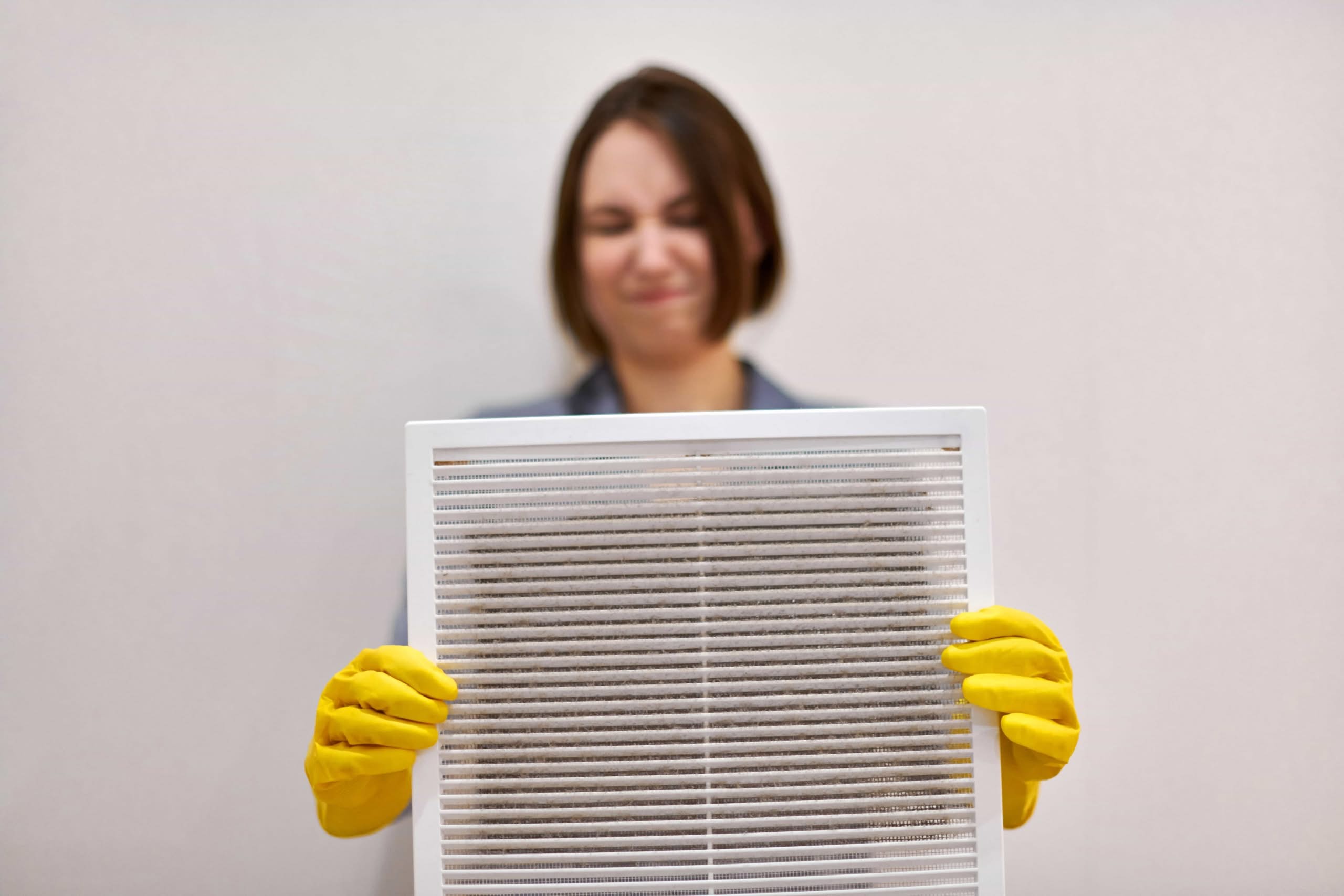
The Mid-Year Safety Check
Professional dryer vent cleaning is most effective when performed in May because it removes the “winter backlog” of heavy lint before rising summer humidity turns debris into a damp, combustible fire hazard. By scheduling service in the spring, you clear out nesting pests and optimize airflow just as your cooling bills begin to rise.
Laundry is an inescapable part of modern life. We toss in a load, push a button, and expect dry, fluffy clothes an hour later. However, hidden behind that metal box is a high-velocity exhaust system that, if neglected, becomes one of the most significant fire hazards in a home.
As we transition into the warmer months, homeowners are often busy with landscaping and spring cleaning. But there is one specialized task that yields the highest return on safety and efficiency: The Mid-Year Professional Dryer Vent Cleaning check.
Key Takeaways
Prevent Humidity Gunk: May cleaning prevents lint from absorbing summer moisture and sticking to duct walls.
Evict Pests: Birds and squirrels frequently nest in vents during May; a professional check removes these blockages.
Lower Utility Bills: Clean vents can reduce drying time by 30%, significantly lowering energy costs.
Fire Prevention: May is the “sweet spot” to clear out heavy winter lint (from flannels/sweaters) before it overheats.
Extend Appliance Life: Proper airflow prevents motor burnout and heating element failure.
Table of Contents
The May Window: Why Timing Matters
The Science of Airflow and Efficiency
Why Professional Expertise Beats DIY Kits
Fire Safety: The Non-Negotiable Reality
What a Professional Inspection Includes
Frequently Asked Questions
Quick Answer: May is the optimal time for professional dryer vent cleaning because it addresses the accumulation of heavy winter fibers and prevents summer humidity from “gluing” lint to your ductwork.
The recommendation to clean your vents in May isn’t just about clearing a calendar. It is based on the cyclical nature of home usage and seasonal biology.
Clearing the “Winter Backlog”
During the winter, your dryer is a workhorse. We wear heavier fabrics like flannel, wool, and thick denim. These materials shed significantly more fiber than light summer cottons. By the time May arrives, your vent system has likely endured six months of “heavy shedding.”
In my 15 years of field experience, May-cleared vents are often 40% more clogged than those cleared in autumn. The heavy winter lint creates a restrictive layer that chokes your dryer’s ability to exhale.
Preparing for the Summer Humidity Wall
In the world of professional dryer vent cleaning, humidity is the enemy. When air is dry, lint stays light and powdery. However, as humidity rises in June, the lint inside your ducts absorbs that moisture. It becomes heavy, damp, and “pasty.”
If you wait until August to clean your vents, the lint may have already bonded to the duct walls like wet cement, making it much harder and more expensive to remove.
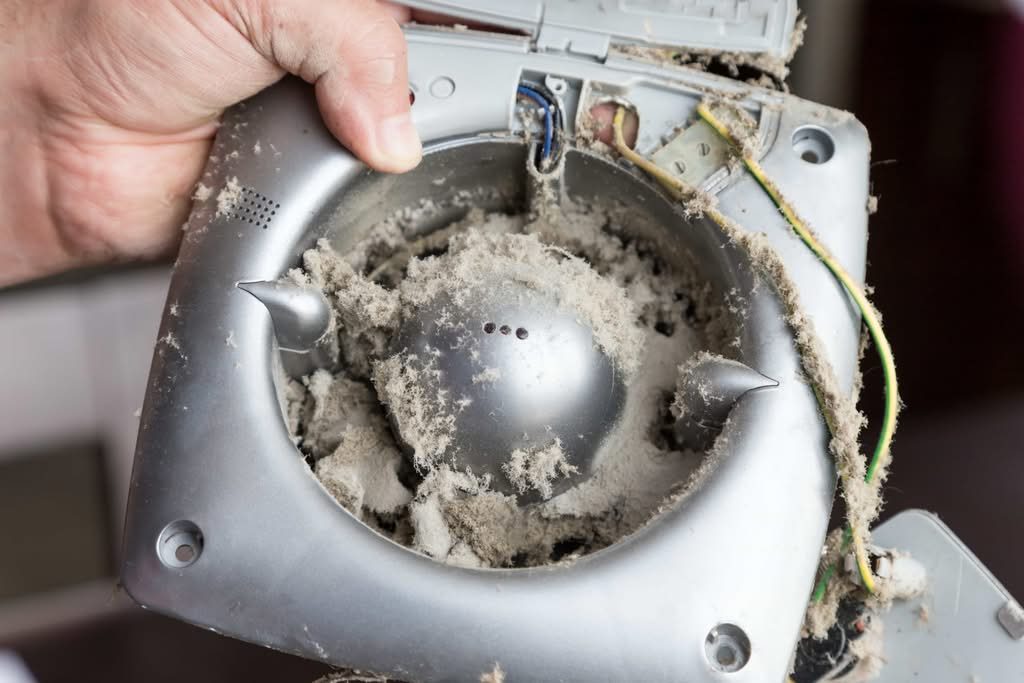
Restricted airflow forces your dryer to run longer, increasing energy consumption and wear on the motor. Professional dryer vent cleaning restores the Cubic Feet per Minute (CFM) rating to factory standards.
A professional cleaning isn’t just a safety expense. It is an investment that pays for itself through utility savings and appliance longevity.
Reducing Utility Bills
When a vent is clogged, the dryer must run longer to push out moisture. If you find yourself running a “70-minute” cycle instead of 40 minutes, you are essentially throwing money out the window.
According to the Department of Energy, a clogged dryer vent can increase the energy cost per load by up to $0.75. For a family doing 5 loads a week, that’s nearly $200 a year in wasted electricity or gas.
Preserving Appliance Longevity
Dryers are expensive. The #1 cause of heating element failure is restricted airflow. When heat cannot escape, internal components operate at much higher temperatures than designed. Professional dryer vent cleaning can add 3 to 5 years to the lifespan of your appliance.
Many homeowners replace their dryer because they think it’s “getting old” and not drying clothes well. Often, the dryer is fine—the vent is simply suffocating it.
The rise of “As Seen on TV” vent cleaning kits has led many homeowners to believe this is a simple task. It is not. In fact, DIY attempts often create more problems than they solve.
The “Ramrod” Effect
Most DIY kits consist of a brush attached to a flexible rod. If the operator isn’t trained, the brush can act as a ramrod. Instead of pulling lint out, it pushes it further back. This creates a dense, hard plug at an elbow or a turn in the pipe.
Structural Damage to Ducting
Many homes use “flexible foil” or “plastic” transition ducts. These are incredibly fragile. A spinning DIY brush can easily puncture these materials. Even worse, if your ductwork is hidden behind drywall, a DIY brush can disconnect a joint.
We receive dozens of calls every year from homeowners who have a DIY brush wedged 15 feet into their wall. Removing a stuck brush often requires cutting into the drywall—turning a $150 cleaning into a $1,500 renovation.
The National Fire Protection Association (NFPA) reports that nearly 16,000 home fires are caused by clothes dryers annually. Professional dryer vent cleaning is the only way to ensure the entire run is clear of flammable “tinder”.
Lint is essentially “pre-fuel.” It is dry, airy, and highly flammable. When a dryer overheats due to a blockage, the heating element can reach temperatures high enough to ignite the lint inside the machine.
The “Chimney” Effect
Once a fire starts in a vent, it acts like a chimney. It pulls the flames through your walls and into the attic. Because these fires happen inside the walls, they can spread undetected for several minutes before a smoke detector triggers.
Thinking that cleaning the lint screen after every load is enough. Only about 70% of lint is caught by the screen; the rest enters the ductwork.
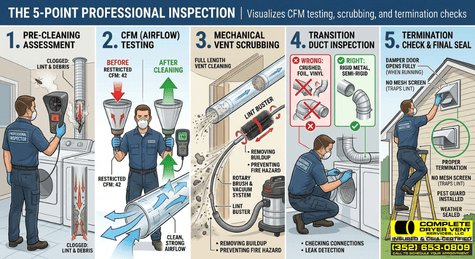
When you book professional dryer vent cleaning with a specialist like Complete Dryer Vent, the process is comprehensive. It involves more than just a brush.
Airflow Velocity Test: We measure the speed of the air (CFM) exiting the vent to identify the exact percentage of blockage.
Visual Inspection: We check the “transition duct” for fire-rated safety.
Mechanical Scrubbing: We use industrial “skippers” that navigate turns safely without the risk of snapping.
Termination Check: We ensure the outside vent cover flapper moves freely and isn’t blocked by paint or bird nests.
How often should I get professional dryer vent cleaning?
Most households require cleaning once per year. However, if you have a large family or pets that shed, you may need a check every six months to prevent significant buildup.
Why is May better than October for cleaning?
While any cleaning is good, May is superior because it removes heavy winter lint before summer humidity makes the debris sticky and harder to remove from the duct walls.
Can a clogged dryer vent cause a carbon monoxide leak?
Yes. If you have a gas dryer, a blocked vent can cause carbon monoxide to back up into your home. This is a life-safety issue that professional dryer vent cleaning directly prevents.
What are the signs I need a cleaning immediately?
The most common signs include clothes taking more than one cycle to dry, a musty smell during operation, and the top of the dryer feeling hot to the touch.
Is professional dryer vent cleaning worth the cost?
Absolutely. Between energy savings (up to 20% on bills) and preventing appliance repairs, the service typically pays for itself within the first year.
Your home is likely your largest investment. Protecting it requires specialized care of the systems you cannot see. By choosing May for your professional dryer vent cleaning, you are clearing out the remnants of winter and ensuring your home is safe from one of the most common causes of residential fires.
Next Steps for Homeowners:
Check your drying times: If a load takes longer than 45 minutes, call a professional.
Inspect the exterior vent: Look for visible lint or birds entering the duct.
Schedule your May check: Ensure your system is clear before the summer heat arrives.
Don’t risk a DIY disaster. Contact Complete Dryer Vent today to schedule your mid-year safety inspection and breathe easy all summer long.

