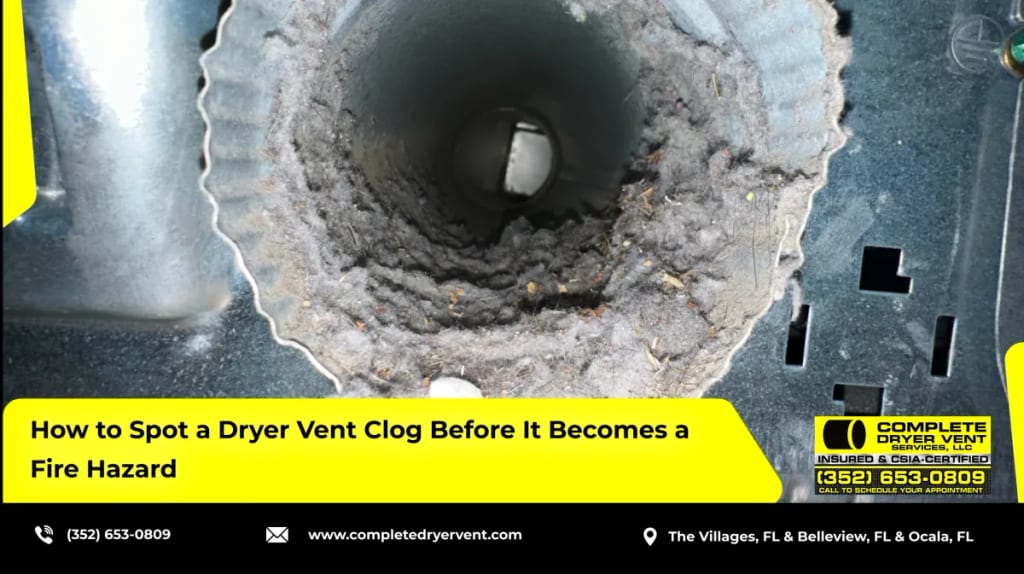
A dryer making clothes smell burnt is almost never a fashion problem — it’s a warning sign. In most cases, that scorched odor comes from lint trapped near the heating element or a vent so clogged that hot air can’t escape. Sometimes it’s a worn belt or bearing overheating from friction. The good news: once you know what to check, you can usually pinpoint the cause in under fifteen minutes and decide whether it’s a DIY fix or a job for a certified technician.
As a CSIA Certified Dryer Exhaust Technician, I’ve walked into more than a few Central Florida laundry rooms where homeowners assumed a new dryer was needed — when the real issue was three years of lint packed into the exhaust duct. This guide walks through the causes, the fixes, and exactly when to stop troubleshooting and call for help.
📌 Key Takeaways
- A dryer making clothes smell burnt usually points to lint buildup, a clogged vent, or a failing heating element.
- Never run another load once you notice a scorched smell — unplug the dryer and inspect it first.
- Cleaning the lint screen and inside the drum removes surface lint but won’t fix a clogged exhaust vent.
- According to the U.S. Fire Administration, failure to clean dryers is a leading cause of home dryer fires.
- Homes in Oxford, The Villages, and Wildwood with long or elbow-heavy vent runs are especially prone to hidden lint clogs.
Jump to a Section
- Why Does the Dryer Smell Burnt in the First Place?
- Common Causes Behind the Burnt Smell
- Is a Burnt Smell From Your Dryer Actually Dangerous?
- What to Do When Your Dryer Is Making Clothes Smell Burnt
- DIY vs Professional Dryer Vent Cleaning
- Preventing Burnt Smells in the Future
- FAQ
Why Does the Dryer Smell Burnt in the First Place?
Quick Answer: The smell happens when lint, dust, or fabric residue sits too close to the heating element and slowly scorches instead of blowing safely out the vent. It’s the dryer’s way of telling you airflow is restricted somewhere in the system.
A dryer is designed to move hot air through damp clothes and push it outside through the exhaust duct. When that path is blocked — even partially — heat has nowhere to go. It builds up around the drum, the heating coil, or the motor, and any trapped lint starts to singe.
The Airflow Connection
Think of the vent system like a chimney. If the chimney is clear, smoke (or in this case, hot moist air) escapes cleanly. If it’s packed with debris, heat backs up into the house. That backed-up heat is exactly what causes clothes smell burnt after dryer cycles, even when the clothes themselves were never touching a hot surface.
💡 Expert Insight: In my experience inspecting vents across Marion and Sumter counties, homes with vent runs longer than 25 feet or with multiple 90-degree elbows trap lint fastest — sometimes within 12-18 months of regular use.
Common Causes Behind the Burnt Smell
Quick Answer: The three most common culprits are lint buildup, a clogged exterior or interior vent, and a failing heating element or belt. Each produces a slightly different pattern of symptoms worth noting.
Signs Your Dryer Is Making Clothes Smell Burnt Right Now
If clothes come out warmer than usual, the cycle runs longer than normal, or you feel excess heat radiating from the cabinet, your dryer making clothes smell burnt is likely tied to restricted airflow rather than a one-time fluke. Check the lint trap first — but don’t stop there, since most clogs sit further down the duct.
Lint Buildup Inside the Drum and Vent
Lint isn’t just fuzz on the screen. Over time it coats the drum’s interior seams, the blower wheel, and the full length of the exhaust duct. According to the Consumer Product Safety Commission, clogged lint traps and vents are among the top reported causes of clothes dryer fires nationwide.
Overheating Heating Element or Thermostat
A heating element that’s stuck "on" or a faulty thermostat can push temperatures well past normal drying range. This scorches lint that would otherwise pass through harmlessly, creating a stronger, more chemical-smelling odor than typical lint smoke.
Worn Drive Belt or Motor Bearing
A slipping belt or a dry motor bearing generates friction heat inside the cabinet — separate from the heating element entirely. This type of burnt smell often comes with a rubbery or metallic edge and sometimes a faint squeal during the cycle.
⚠️ Common Mistake: Many homeowners clean only the lint trap and assume the problem is solved. The trap catches maybe 25% of total lint; the rest travels into the vent system where you can’t see it.

Is a Burnt Smell From Your Dryer Actually Dangerous?
Quick Answer: Yes — a scorched odor is one of the earliest warning signs before an actual dryer fire, and it should never be ignored or masked with fabric softener.
Dryer fires develop gradually. Lint is highly combustible, and once it reaches ignition temperature near a heating element, a fire can start inside the vent duct itself — often in the wall or attic space where it’s invisible until smoke appears. The National Fire Protection Association tracks clothes dryers and washing machines as a recurring cause of U.S. home structure fires each year.
📊 Data Point: Fire investigators consistently cite failure to clean the dryer and vent as the number one contributing factor in dryer-related home fires, according to national fire data.
We cover this topic in more depth in our guide on burning smell in dryer safety and prevention, including what smoke, discoloration, or a hot exterior vent cover can tell you.
When to Stop Using the Dryer Immediately
If you see smoke, notice the vent cover outside is hot to the touch, or the smell doesn’t fade after cleaning the lint trap, unplug the dryer and stop running loads. This is the point where a professional inspection matters more than another DIY attempt.
What to Do When Your Dryer Is Making Clothes Smell Burnt
Quick Answer: Start with the lint trap and drum, then check the exterior vent cover, and if the smell persists, have the full duct run inspected by a certified technician.
- Unplug the dryer and let it cool for at least 20 minutes.
- Remove the lint trap and wash it with warm water to clear fabric softener residue.
- Open the drum and wipe down interior seams where lint collects.
- Go outside and check the exterior vent cover for lint blocking the flap.
- Run one short, empty cycle and feel for unusually strong heat at the vent hood.
- If the smell returns within a few loads, schedule a professional dryer vent cleaning or inspection.
✅ Quick Tip: Snap a photo of your vent hood exterior once a season. Side-by-side comparisons make it easy to spot slow lint buildup before it becomes a hazard.
When the Fix Is Bigger Than Lint
If you’ve cleaned everything accessible and clothes still take multiple cycles to dry, the issue may be a crushed duct section, a vent that’s too long, or a failing part inside the cabinet. Our clogged dryer vent repair service handles duct-side problems, while cabinet issues like belts or thermostats usually call for an appliance repair technician.

DIY vs Professional Dryer Vent Cleaning
Quick Answer: DIY cleaning handles the lint trap and drum interior, but a full vent inspection reaching the exterior termination is best left to a trained technician with the right tools.
| Task | DIY Homeowner | Professional Technician |
|---|---|---|
| Lint trap cleaning | Easy, do weekly | Not necessary |
| Drum interior wipe-down | Simple with a cloth | Included in service |
| Full duct run cleaning | Difficult, limited reach | Uses rotary brushes and cameras |
| Exterior vent cover check | Possible if accessible | Includes bird nest/debris removal |
| Heating element diagnosis | Not recommended | Requires certified inspection |
| Fire-risk assessment | Not reliable | CSIA-based safety evaluation |
Homes in Wildwood and Oxford with vent runs through attics or long exterior walls often can’t be fully cleaned with a household vacuum attachment. A dryer vent safety inspection checks airflow speed at the vent hood, which tells you far more than a visual glance.
💡 Expert Insight: I always tell clients — if you can’t see daylight through a straight section of duct, or you can’t reach the exterior termination safely, that’s the line where DIY should stop.
Preventing Burnt Smells in the Future
Quick Answer: Regular lint trap cleaning, an annual professional vent cleaning, and watching for slower drying times are the three habits that prevent this problem from returning.
Build a Simple Maintenance Rhythm
Clean the lint trap after every load, wipe the drum monthly, and schedule a full vent cleaning at least once a year — twice if you run large loads often or have pets shedding fur into laundry. This single habit resolves the majority of cases where clothes smell burnt after drying.
Watch for Early Warning Patterns
Longer dry times, a hot dryer cabinet, or a musty smell mixed with the burnt odor often signal a vent problem before smoke ever appears. Catching it early is far cheaper — and safer — than dealing with it after a scare.
⚠️ Common Mistake: Skipping vent cleaning because "the dryer still works fine." Restricted airflow can exist for months before drying times noticeably change.
For homeowners in older properties, our Florida dryer vent cleaning guide covers humidity-related lint buildup specific to this climate.

FAQ
Why does my dryer keep making clothes smell burnt after cleaning the lint trap?
The lint trap only catches a portion of lint; the rest builds up deeper in the drum and exhaust vent. A full duct cleaning is usually needed to fully resolve the odor.
Is it safe to keep using a dryer that makes clothes smell burnt?
No, you should stop using it until you’ve identified the cause. Continuing to run cycles with a blocked vent increases fire risk with every load.
Why do clothes smell burnt after drying even when they weren’t overheated?
The smell often comes from lint scorching near the heating element inside the machine, not from the fabric itself. Restricted airflow traps heat that would normally vent outside.
Can a clogged dryer vent really cause a fire?
Yes. Trapped lint is highly flammable, and national fire data consistently lists clogged vents as a leading contributing factor in dryer fires.
How often should I get my dryer vent professionally cleaned in Florida?
Most homes in Marion, Lake, and Sumter counties benefit from at least one professional cleaning per year due to humidity and lint density. Larger households may need two.
What’s the difference between a burnt smell and a normal "new dryer" smell?
A new dryer smell fades within a few cycles and smells more like heated metal or plastic coating. A burnt lint smell is sharper, persists, and often gets stronger with continued use.
Should I call a technician or an appliance repair company first?
If the smell is tied to airflow, vent length, or lint buildup, a certified vent technician is the right call. If it’s clearly a mechanical part like the motor or belt, an appliance repairman handles that side.
Final Thoughts
A dryer making clothes smell burnt is a solvable problem once you know where to look — lint buildup, a clogged vent, or a struggling heating element are behind nearly every case. The key is acting early: a scorched smell is a warning, not background noise to ignore. Homeowners across Oxford, The Villages, and Wildwood who stay ahead of vent maintenance rarely deal with this issue twice.
- Clean the lint trap and drum interior today.
- Check the exterior vent cover for blockages.
- Track drying times over the next few loads.
- Book a professional vent inspection if the smell returns.
Our team holds a CSIA Certified Dryer Exhaust Technician credential and serves homeowners throughout Marion, Sumter, Lake, Citrus, and Alachua counties. If your dryer is making clothes smell burnt, schedule a dryer vent cleaning or inspection today and get your laundry room back to safe, efficient drying.