
A dryer burns clothes when trapped heat has nowhere safe to go, usually because lint or debris is blocking the exhaust path. The result is scorch marks, brittle fabric, or a faint burnt smell that shows up load after load. If you’ve noticed dryer burns on your favorite shirts, don’t assume the machine is simply old — in most Florida homes we inspect, the real problem is a restricted vent, not a dying dryer.
This guide walks through what actually causes dryer burns, how to tell a vent problem from a mechanical one, and what steps to take before the issue becomes a fire hazard. We’ll also cover what homeowners in Ocala, The Villages, Oxford, and Wildwood should know about Florida’s humidity, long duct runs, and seasonal maintenance. As a CSIA Certified Dryer Exhaust Technician, I’ve pulled enough charred lint out of vents to know this problem is almost always preventable.
📌 Key Takeaways
- A dryer burns clothes most often due to restricted airflow, not a faulty dryer.
- Scorch marks near seams or pockets usually point to trapped heat, not detergent residue.
- According to the U.S. Fire Administration, clogged dryer vents are a leading cause of home dryer fires.
- Annual professional vent cleaning reduces overheating risk far more effectively than DIY lint trap cleaning alone.
- If you smell burning or see scorch marks, stop using the dryer until it’s inspected.
Jump to a Section
- What Causes a Dryer to Burn Clothes?
- Dryer Burns vs. Normal Wear: Spot the Difference
- Why Restricted Vents Are the #1 Culprit
- DIY Checks vs. Professional Cleaning
- Step-by-Step Fix When Your Dryer Burns Clothes
- Preventing Future Dryer Burns in Florida Homes
- FAQ
What Causes a Dryer to Burn Clothes?
Quick Answer: Dryer burns usually happen when excess heat builds up inside the drum because exhaust airflow is blocked. Less often, a worn heating element or faulty thermostat keeps the dryer running hotter than it should.
Every dryer is designed to push hot, moist air out through a vent duct. When that duct is clogged with lint, bird nests, or crushed sections, heat has nowhere to escape and keeps cycling back over your laundry. That trapped heat is what causes dryer burns, scorch lines, and sometimes a faint singed smell clinging to clothes.
Mechanical Causes Behind Dryer Burns
A small percentage of cases trace back to the appliance itself. A failing thermostat, a cycling thermal fuse, or a heating element stuck at full output can all overheat fabric even with a clear vent. These issues usually come with other symptoms, like unusually long dry times or a dryer that never fully shuts off heat.
⚠️ Common Mistake: Homeowners often replace the dryer before checking the vent system, spending hundreds of dollars without fixing the actual airflow problem.
Dryer Burns vs. Normal Wear: Spot the Difference
Quick Answer: True dryer burns look like brown or yellow scorch patches, often near pockets, waistbands, or thick seams where heat concentrates. Normal wear looks like thinning fabric or color fading evenly across a garment.
If you’re staring at a shirt wondering whether it’s dryer burns on clothes or just an old stain, check the shape of the mark. Scorch damage tends to follow a curved or uneven pattern because it forms wherever fabric sat closest to the heating element or against a hot drum wall during a stalled cycle.
Signs of Vent Restriction to Watch For
- The dryer feels hot to the touch on the outside cabinet.
- A full cycle takes noticeably longer than it used to.
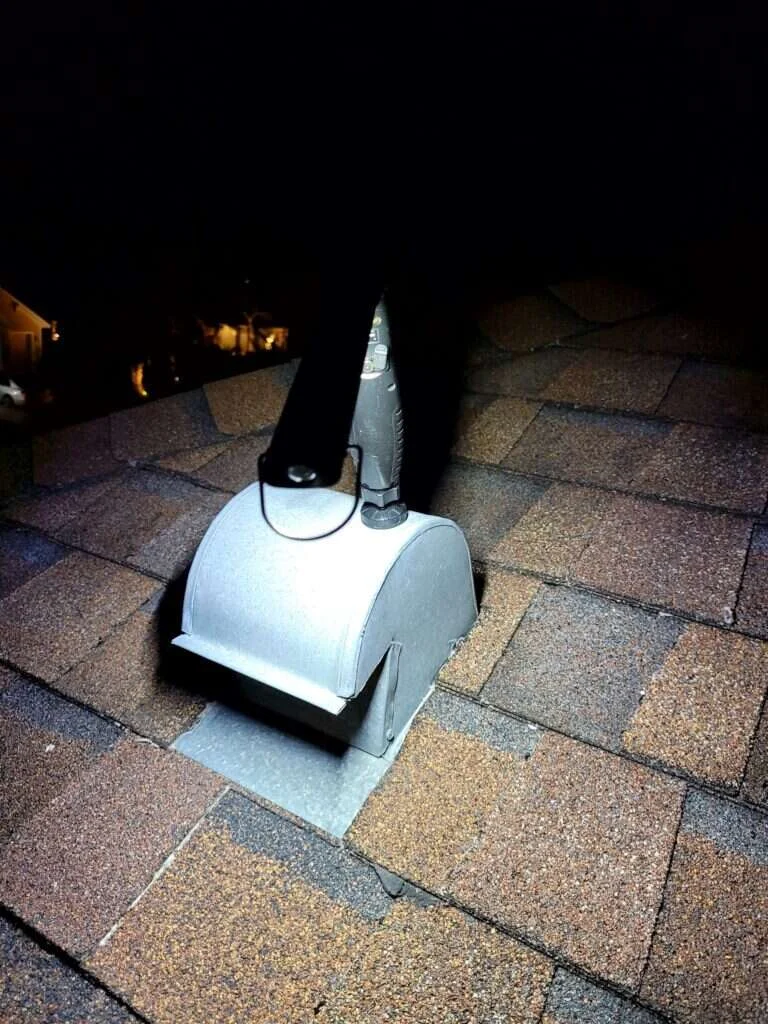
- Lint collects around the lint trap door or exterior vent hood.
- Clothes come out hotter than normal, even on lower heat settings.
Why Restricted Vents Are the #1 Culprit
Quick Answer: Lint buildup inside the vent duct is the single most common reason a dryer overheats and scorches fabric. Even a partially blocked line can raise internal drum temperatures well above normal operating range.
According to the U.S. Fire Administration, failure to clean dryer vents is one of the top contributing factors in residential dryer fires nationwide. Lint is highly flammable, and once airflow slows, that lint accumulates faster because moist air can’t carry it fully outside.
How Lint Buildup Raises Dryer Temperatures
Think of the vent duct like a drinking straw. Pinch it halfway and air still moves, just slower and under more pressure. The same happens inside a dryer vent: as lint narrows the passage, exhaust air backs up, drum temperature climbs, and fabric sitting against that heat scorches before the cycle ends.
💡 Expert Insight: In my experience inspecting vents across Marion and Sumter counties, the longer or more twisted the duct run, the faster lint accumulates — which is exactly why homes in The Villages with attic-routed vents need more frequent attention than a home with a short, straight exterior run.
📊 Data Point: The Consumer Product Safety Commission has long flagged dryer vent fires as a preventable hazard tied directly to lint and debris accumulation. See the CPSC’s home safety resources for broader appliance fire data.
Florida’s humidity adds another wrinkle. Damp lint sticks to duct walls more aggressively than dry lint, which means homes here can develop restrictions faster than in drier climates. That’s part of why our dryer vent safety inspections focus heavily on duct condition, not just the lint trap.
DIY Checks vs. Professional Cleaning
Quick Answer: DIY lint trap cleaning helps but doesn’t reach lint packed inside the duct itself. Professional cleaning clears the full vent run with specialized brushes and vacuum equipment.
| Task | DIY Homeowner | Professional Service |
|---|---|---|
| Lint trap cleaning | Easy, do after every load | Not typically needed |
| Full duct cleaning | Difficult beyond a few feet | Reaches entire vent run |
| Bird nest/debris removal | Risky without proper tools | Includes exterior vent inspection |
| Airflow testing | Rarely measured accurately | Confirms proper exhaust speed |
| Fire hazard assessment | Limited visibility | Trained to spot early scorch risk |
✅ Quick Tip: Pull the lint screen and run your hand across it after every load. If lint feels damp or sticky, your dryer vent may already be restricted further down the line.
Homeowners can safely handle the lint trap and the first foot or two of flexible ducting behind the dryer. Beyond that, most residential setups require a shop-vac with extended hose attachments or rotary brush equipment most households don’t own, which is where our dryer cleaning service typically comes in.
Step-by-Step Fix When Your Dryer Burns Clothes
Quick Answer: Stop running the dryer, inspect the lint trap and visible duct, then schedule a professional inspection if scorching continues. Never ignore repeated burn marks or a persistent hot smell.
- Unplug the dryer or shut off the gas supply before inspecting anything.
- Remove and clean the lint trap thoroughly, including the housing slot.
- Check the exterior vent hood for lint, debris, or nesting birds.
- Pull the dryer away from the wall and inspect the flexible duct connection for crushing or kinks.
- Run a short test cycle and feel the cabinet exterior for excessive heat.
- If heat or scorching persists, schedule a professional vent inspection before using the dryer again.
⚠️ Common Mistake: Running a dryer "just a few more loads" after noticing scorch marks is one of the most common reasons small vent issues turn into real fire hazards.
I’ve walked into homes in Oxford and Wildwood where the homeowner assumed a new heating element would solve scorching, only to find a vent duct packed solid with years of compressed lint. Once that was cleared, the burning stopped completely — no parts replaced.

Preventing Future Dryer Burns in Florida Homes
Quick Answer: Scheduling annual professional cleaning, checking the exterior vent cap seasonally, and watching for longer dry times are the three habits that prevent most repeat dryer burns. Humidity and storm debris make Florida homes especially prone to buildup.
A Simple Seasonal Maintenance Schedule
| Season | Task |
|---|---|
| Spring | Full professional vent cleaning |
| Summer | Check exterior cap for debris after storms |
| Fall | Inspect flexible duct connection behind dryer |
| Winter | Monitor dry times; schedule cleaning if slower |
Homes near Ocala, Gainesville, and Leesburg with longer attic vent runs should lean toward the shorter end of a cleaning schedule, closer to every 9-12 months rather than waiting for visible symptoms. The National Fire Protection Association recommends regular dryer vent maintenance as part of general home fire prevention, alongside smoke alarm checks.
💡 Expert Insight: After a storm season, it’s worth pairing a vent check with a broader look — our dryer vent inspection after hurricane guide covers what wind-driven debris can do to exterior vent caps.
If your home has a longer duct run or multiple bends, a recessed dryer vent box installation can also reduce crushed-duct risk, which is a lesser-known contributor to dryer burns in tight laundry closets.
FAQ
Why does my dryer burn clothes even on low heat?
Low heat settings don’t prevent scorching if the vent is restricted, because trapped exhaust air still raises drum temperature regardless of the thermostat setting. The fix is almost always airflow-related, not the heat setting itself.
What do dryer burns on clothes actually look like?
Dryer burns typically appear as brown, yellow, or crisp patches near seams, pockets, or waistbands where fabric sits closest to the heating element. They differ from stains because the fabric itself feels stiff or slightly brittle at the mark.
Can a clogged dryer vent really cause a fire, or is that exaggerated?
It’s not exaggerated — lint is highly flammable, and restricted airflow raises both heat and lint accumulation at the same time. The U.S. Fire Administration lists uncleaned vents among the leading causes of home dryer fires.
How often should dryer vents be cleaned in Florida homes?
Most Florida homes benefit from professional cleaning every 9-12 months due to humidity and longer attic-routed duct runs common in areas like The Villages. Households that dry heavy loads daily may need service closer to the 9-month mark.
Is it safe to keep using a dryer that burns clothes occasionally?
No — occasional scorching still signals restricted airflow or a mechanical fault, and the risk compounds with every cycle. It’s safer to pause use and schedule an inspection than to wait for a worse incident.
Does a new dryer fix burning if the vent isn’t the problem?
Replacing the dryer without checking the vent rarely solves burning, since most cases stem from the duct system rather than the appliance. A new dryer connected to the same clogged vent will likely develop the same issue.
What should I do first if I notice dryer burns on clothes today?
Stop using the dryer, check the lint trap and visible duct for blockage, and avoid running additional loads until the cause is confirmed. If the smell or scorching continues after a basic check, schedule a professional vent inspection.
Final Thoughts
A dryer burns clothes for a reason, and in the vast majority of Florida homes we inspect, that reason is a restricted vent rather than a failing appliance. Catching the early signs — longer dry times, a hot cabinet, or faint scorch marks — saves both your laundry and your home from a much bigger risk. Humidity, long duct runs, and seasonal storm debris make proactive maintenance especially important across Marion, Sumter, and Lake counties.
- Stop using the dryer if you notice scorching or a burnt smell.
- Clean the lint trap and check the visible duct connection.
- Inspect the exterior vent cap for blockage or debris.
- Schedule a professional inspection if symptoms persist.
- Set a seasonal reminder for ongoing vent maintenance.
As a CSIA Certified Dryer Exhaust Technician, I’ve seen how quickly a small restriction turns into a real hazard. If your dryer burns clothes or you simply want peace of mind, schedule a professional inspection with our team serving Ocala, The Villages, Oxford, and Wildwood today.

