
When your dryer smells like burnt rubber, it usually means a belt, motor, or foreign object is overheating inside the machine. This smell is not something to ignore — it’s your dryer’s early warning system telling you a repair is needed before a small problem becomes a house fire. In most cases, the odor traces back to a slipping drive belt, a failing motor bearing, or lint that has ignited against a hot surface.
We’ve walked homeowners across Marion, Sumter, and Lake counties through this exact scenario for years, and the pattern is remarkably consistent. A burning rubber odor almost always points to a mechanical or airflow issue rather than something you’re drying. Understanding the cause quickly can save your appliance, your laundry room, and possibly your home.
📌 Key Takeaways
- A burnt rubber smell usually means a worn belt, bad bearing, or melted foreign object — not a laundry issue.
- Never keep running the dryer once you notice the smell; unplug it and inspect the lint trap and vent first.
- According to the U.S. Fire Administration, thousands of home dryer fires occur annually, many linked to lint and mechanical failure.
- A CSIA Certified Dryer Exhaust Technician can diagnose whether the issue is the appliance or the vent system.
- Homeowners in The Villages, Oxford, and Wildwood should schedule a professional inspection at the first sign of a burning odor.
Jump to a section:
- What a Burnt Rubber Smell Really Means
- Top Causes of the Burning Rubber Odor
- Is This Smell a Fire Risk?
- Safe DIY Troubleshooting Steps
- When to Call a Professional Technician
- Preventing Future Burning Smells
- Frequently Asked Questions
What a Burnt Rubber Smell Really Means
Quick Answer: A burnt rubber odor from your dryer typically signals friction-based overheating — most often a slipping belt or seized bearing rubbing against another part. It is different from a musty or scorched-fabric smell, which usually points to lint buildup instead.
Dryers rely on a rubber drive belt looped around the drum and a motor pulley. When that belt stretches, cracks, or slips off track, it drags against metal housing and heats up fast. That friction produces the unmistakable smell many homeowners describe as "my dryer smells like burning" or "the dryer smells like something is burning."
A related but distinct issue is a seized roller or worn bearing, which creates similar heat and odor but comes with a grinding or squealing noise. If you hear noise along with the smell, the mechanical wear is likely more advanced than a simple belt slip.
✅ Quick Tip: If you smell burnt rubber and hear a rhythmic thumping, stop the load immediately — a broken belt can wrap around the motor shaft and cause further damage.
How This Differs From a Burnt Plastic or Hot Smell
A dryer that smells like burnt plastic often means a foreign object — a pen, a small toy, or a stray zipper pull — melted against the drum wall. A dryer that just smells hot, without the sharp rubber note, more often points to restricted airflow from a clogged exhaust vent rather than a mechanical failure.
Top Causes of the Burning Rubber Odor
Quick Answer: The three most common causes are a worn drive belt, an overheating motor or bearing, and melted debris trapped near the drum. Each has a distinct fix, ranging from a simple part replacement to a full vent cleaning.
Worn or Slipping Drive Belt
The drive belt is a rubber-and-fabric loop that wears out over years of use, especially in high-use households. Once it starts slipping, it generates constant friction heat every time the dryer runs. This is the single most common reason a clothes dryer smells burnt after several years of reliable service.
Overheating Motor or Bearings
Motor bearings can dry out or seize, causing the shaft to grind against its housing. This produces heat, noise, and often a faint smoky smell in addition to the rubber odor. In our experience, this failure mode is more common in dryers running 8+ years without professional cleaning.
Foreign Objects Melting Against the Drum
Small items left in pockets — lighters, crayons, plastic buttons — can melt onto the drum surface during a cycle. This creates a sharp, localized burning rubber or plastic smell that often clears once the item is removed and the drum is wiped down.
💡 Expert Insight: As a CSIA Certified Dryer Exhaust Technician, I always check the vent system first, even when the smell seems mechanical. Restricted airflow forces the motor and belt to work harder, accelerating wear that causes these smells in the first place.
| Smell Description | Most Likely Cause | Recommended Action |
|---|---|---|
| Sharp burning rubber | Slipping or cracked drive belt | Unplug, inspect belt, schedule repair |
| Burning rubber + grinding noise | Worn motor bearing | Stop use, call a technician |
| Burnt plastic, localized | Melted foreign object in drum | Remove item, clean drum surface |
| Hot, dusty smell without rubber note | Clogged exhaust vent restricting airflow | Schedule a professional dryer vent cleaning |
| Faint smoke or cigarette-like odor | Lint smoldering near heating element | Turn off immediately, inspect lint trap and duct |
Is This Smell a Fire Risk?
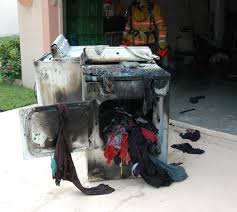
Quick Answer: Yes — a burnt rubber smell can precede an actual dryer fire if ignored, especially when paired with restricted airflow. Clothes dryers are one of the more common sources of home appliance fires nationwide.
According to the National Fire Protection Association, failure to clean dryers is a leading contributing factor in home dryer and washer fires. When a worn belt or overheating motor coincides with a lint-clogged vent, heat has nowhere to escape, raising the risk substantially.
The Consumer Product Safety Commission also tracks appliance-related fire hazards and recommends regular maintenance as a primary prevention step. This is why we treat any report of a dryer that "smells like it’s burning" as an urgent, same-week inspection request rather than routine maintenance.
⚠️ Common Mistake: Many homeowners run a few more loads "just to see if it goes away." This is the single most common way a minor belt issue turns into scorched lint or a duct fire.
What Increases the Danger Level
A burning smell combined with visible smoke, a hot exterior vent hood, or unusually long dry times signals elevated risk. If your dryer vent hasn’t been cleaned in over a year, airflow restriction is likely compounding whatever mechanical issue is producing the odor.
Safe DIY Troubleshooting Steps
Quick Answer: Before calling a professional, you can safely check the lint trap, inspect for visible melted debris, and feel the exterior vent hood for excessive heat. These steps take under ten minutes and can rule out the simplest causes.
- Unplug the dryer and let it cool completely before touching internal parts.
- Remove the lint trap and check for buildup, singe marks, or trapped debris.
- Open the drum and inspect for melted plastic, rubber, or foreign objects.
- Go outside and check whether the exterior vent hood is unusually hot or blocked.
- Restart a short test cycle only if nothing unusual is found, and monitor closely.
📊 Data Point: The U.S. Fire Administration notes that a large share of dryer fires stem from failure to clean the appliance, underscoring why lint checks should be a first troubleshooting step, per the U.S. Fire Administration.
What Not to Do
Do not run the dryer repeatedly hoping the smell fades on its own, and never spray lubricant or cleaner into the drum to mask an odor. If the smell persists after a basic lint check, the cause is mechanical or vent-related and needs a trained eye.
When to Call a Professional Technician
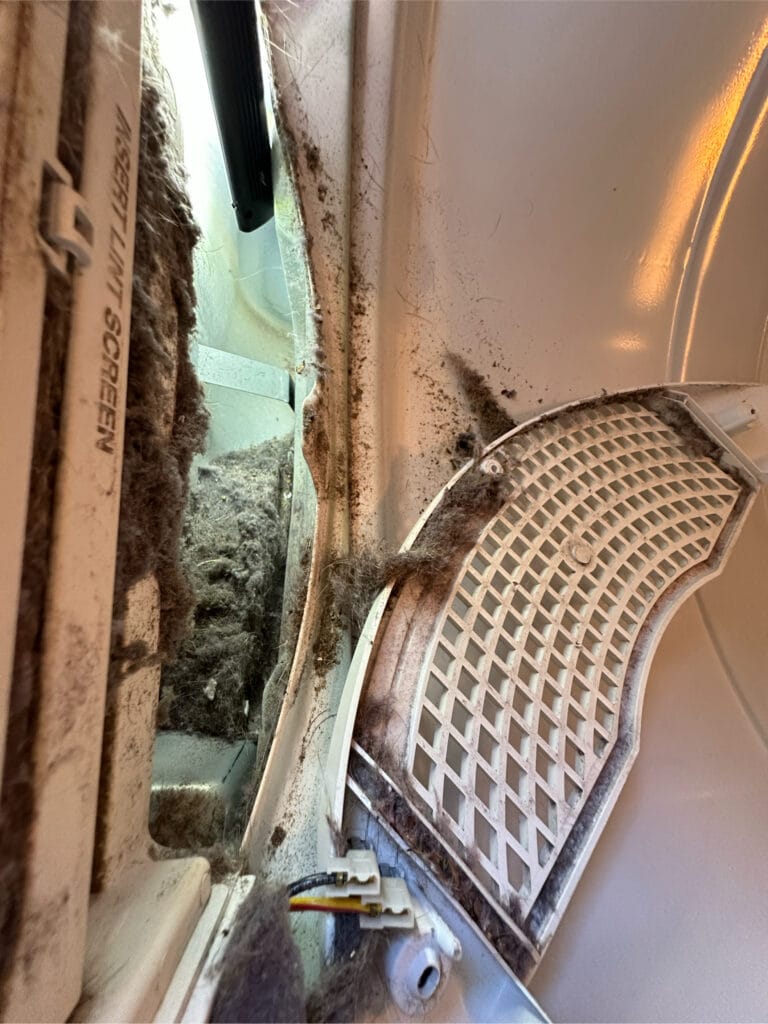
Quick Answer: Call a technician if the smell returns after cleaning the lint trap, if you hear grinding noises, or if the vent hasn’t been serviced in over a year. A CSIA Certified Dryer Exhaust Technician can separate a simple belt fix from a deeper airflow or wiring issue.
We regularly get calls from homeowners in Oxford, The Villages, and Wildwood describing a dryer that "smells like burning after cleaning" the lint trap themselves. That pattern almost always points to a vent obstruction farther down the duct, not the trap itself — something only a full-length inspection can confirm.
💡 Expert Insight: In dozens of service calls across Marion and Sumter counties, we’ve found melted debris and belt wear together more often than either alone — a reminder that these problems rarely occur in isolation.
DIY vs. Professional Service
| Task | DIY Feasible? | Professional Recommended |
|---|---|---|
| Emptying lint trap | Yes | — |
| Inspecting drum for debris | Yes | — |
| Replacing a drive belt | Rarely | Yes — requires disassembly |
| Diagnosing motor/bearing wear | No | Yes |
| Full vent line inspection | No | Yes, especially for long or routed vents |
| Clogged dryer vent repair | No | Yes |
For households with recessed or boxed-in dryer setups, a dryer vent box installation can also reduce future kinking and airflow problems that contribute to overheating smells.
Preventing Future Burning Smells
Quick Answer: Routine vent cleaning, annual professional inspections, and prompt part replacement prevent most burning rubber smells from recurring. Prevention is far cheaper than a repair after a burnout or a fire.
Scheduling a dryer vent safety inspection once a year catches lint buildup and worn components before they force the motor to overwork. This is especially important in Florida’s humid climate, where lint can compact and hold moisture inside the duct.
✅ Quick Tip: Mark your calendar for an annual vent cleaning, ideally before Florida’s hurricane season, since storm debris can also affect exterior vent caps and airflow.
A Simple Maintenance Schedule
| Frequency | Task |
|---|---|
| Every load | Clean the lint trap |
| Every 3-6 months | Visually check exterior vent hood for blockage |
| Annually | Professional full duct cleaning and inspection |
| As needed | Belt, bearing, or motor replacement at first sign of noise or smell |
Homeowners can also review our dryer smells burnt guide for a deeper breakdown of odor-specific causes, or read our burning smell prevention guide for seasonal maintenance tips.
Frequently Asked Questions
Why does my dryer smell like burnt rubber all of a sudden?
A sudden burnt rubber smell usually means the drive belt has started slipping or a foreign object just melted against the drum. It rarely appears without cause, so it’s worth inspecting the lint trap and drum interior right away.
Is it safe to keep using my dryer if it smells like burning?
No — you should stop using the dryer until the source is identified. Continuing to run a dryer that smells like burning increases the risk of a small mechanical issue turning into a lint fire.
Why does my dryer smell like burning rubber after I just cleaned it?
This often means the cleaning addressed the lint trap but not a deeper vent obstruction or a worn belt. A full inspection, including the exterior vent line, is the only way to confirm the real cause.
Why does my clothes dryer smell like burning hair or cigarette smoke?
These odors typically come from lint particles smoldering near the heating element rather than an open flame. It’s a strong signal that airflow is restricted and the appliance is overheating internally.
Can a dirty dryer vent make my dryer smell hot without burning rubber?
Yes — restricted airflow alone can cause a hot, dusty smell even without a mechanical failure. Over time, though, that same restriction stresses the belt and motor, which can eventually cause the rubber odor too.
How much does it cost to fix a dryer that smells like burnt rubber?
Costs vary depending on whether the issue is a belt replacement, a vent cleaning, or a motor repair, so an inspection is the best way to get an accurate estimate. Homeowners in Oxford, The Villages, and Wildwood can request a diagnostic visit to pinpoint the exact cause before committing to repairs.
Should I call a technician if my dryer smells like burnt rubber only occasionally?
Intermittent smells still deserve attention, since they often indicate an early-stage belt or bearing issue that will worsen with use. Catching it early is usually less expensive than waiting for a full failure.
Final Thoughts
A dryer that smells like burnt rubber is never something to brush off as normal wear. In nearly every case we’ve seen across Marion, Sumter, and Lake counties, the cause traces back to a worn belt, an overheating motor, melted debris, or a restricted vent — all fixable once properly diagnosed. Left unaddressed, these small warning signs can escalate into costly repairs or a genuine fire hazard.
Here’s how to move forward:
- Unplug the dryer and check the lint trap and drum for obvious debris.
- Note any grinding noise or excessive heat at the exterior vent hood.
- Schedule a professional inspection if the smell returns or persists.
- Set a recurring annual reminder for full vent cleaning and maintenance.
As a CSIA Certified Dryer Exhaust Technician serving Oxford, The Villages, Wildwood, and surrounding communities, we can pinpoint whether your dryer’s burnt rubber smell is mechanical, vent-related, or both. Schedule your inspection today to keep your laundry room safe and your dryer running the way it should.

