
Protecting Your Home From Fire and Mold
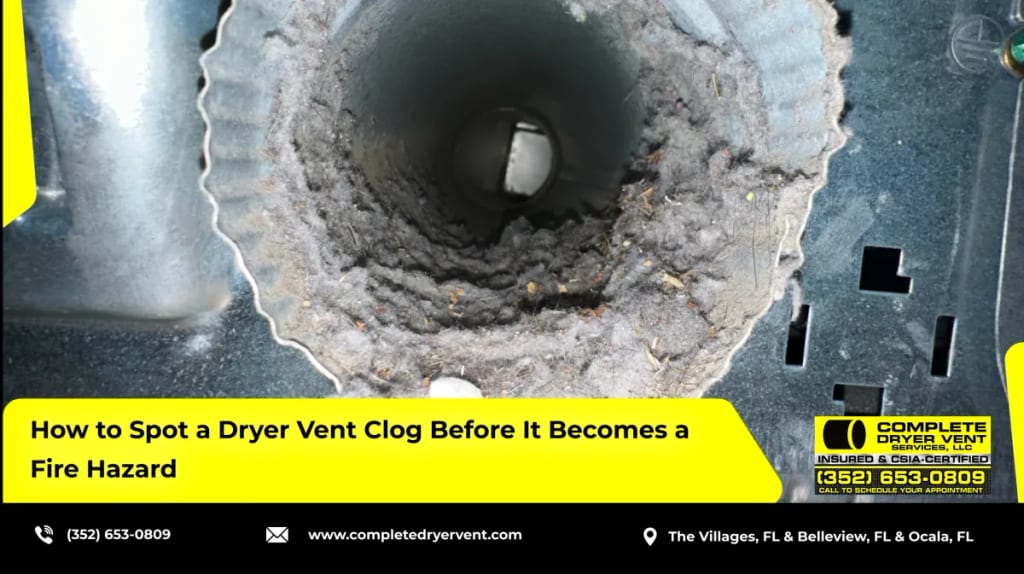
Florida dryer vent cleaning is essential because the state’s extreme environmental moisture creates unique residential fire and air-quality hazards. To ensure optimal home safety, Florida residents should have their dryer exhaust lines professionally cleaned and inspected at least once every 12 months. This routine preventative maintenance removes wet lint clogs, eliminates toxic mold reservoirs, and protects critical appliance components from heat failure.
📌 Key Takeaways
• High ambient humidity causes dryer lint to clump rapidly, accelerating line blockages.
• Blocked exhaust ducts act as breeding grounds for toxic mold spores inside your walls.
• Heavy hurricane winds and driving rain routinely crush or clog outdoor exhaust caps.
• Annual professional cleanings prevent appliance fires and cut cooling bills by lowering indoor humidity.
Table of Contents
-
Understanding humidity and dryer performance
-
Identifying mold risks in coastal exhaust lines
-
Managing hurricane and storm related vent damage
-
Maximizing Florida home dryer safety and efficiency
-
Professional remediation versus DIY maintenance
1. Understanding Humidity and Dryer Performance
Quick Answer: Florida’s high relative humidity introduces moisture into the dryer ductwork, causing airborne lint to turn into a dense, paste-like sludge. This clumping restricts vital exhaust airflow, forces the appliance to run multiple cycles, and creates a severe fire hazard.
When dealing with humidity dryer vent issues, standard ventilation principles change completely. In less humid climates, dryer lint remains relatively dry, light, and powdery. It flows easily through smooth metal ductwork and exits your home via the exterior wall cap.
In contrast, Florida homes pull in high-moisture air continuously. This ambient humidity mixes inside the exhaust line with hot, damp air from your wet clothing. The result is a sticky substance that adheres directly to the interior walls of your rigid or flexible duct lines.
How Moisture Accelerates Lint Clumping
Over a few short months, layer upon layer of wet lint bakes onto the internal duct surface. This accumulation restricts the internal diameter of your exhaust line. Your dryer must work twice as hard to push out exhausting air.
As a consequence, the internal temperatures of your appliance skyrocket. This thermal overload can cause the dryer’s thermal fuse to fail completely. In worse scenarios, it ignites the highly flammable lint trapped inside the heating element chamber.
The Financial Cost of Airflow Restriction
When airflow is restricted, your dryer cannot efficiently expel moisture from the drum. You will notice your clothes require two or even three full cycles to dry completely. This excessive runtime causes an immediate spike in your monthly utility statements.
Furthermore, running your appliance repeatedly dumps large amounts of ambient radiant heat into your laundry room. Your home’s air conditioning system must work significantly harder to counteract this artificial heat load.
📊 Data Point
According to the National Fire Protection Association (NFPA), clothes dryers account for 92% of residential washing/drying equipment fires. The leading cause of these fires (32%) is a simple failure to clean out lint and other structural obstructions.
2. Identifying Mold Risks in Coastal Exhaust Lines
Quick Answer: Trapped lint holds significant amounts of residual moisture within dark, unventilated duct spaces. This environment creates ideal conditions for toxic mold growth, which can migrate into your home’s living areas and degrade indoor air quality.
Developing mold in dryer vents is an extremely common, yet frequently overlooked, structural threat across the Sunshine State. Mold spores require three key ingredients to thrive: moisture, darkness, and an organic food source. A damp, lint-choked dryer line offers all three elements in abundance.
When your dryer vent is blocked, warm water vapor condenses into liquid pools inside the ductwork. Because the air cannot move freely, these puddles remain inside the walls for days.
⚠️ Common Mistake
Many homeowners believe that the high heat generated by a clothes dryer will naturally kill off any developing mold spores. In reality, the long cooling periods between your laundry cycles provide ideal, warm incubation windows for fungal colonies to expand.
How Fungal Colonies Compromise Indoor Air
As mold colonies expand inside your exhaust lines, they release microscopic spores and volatile organic compounds (VOCs). When the dryer runs, the backpressure created by line blockages can force these spores backward through the appliance seals.
The fungal contaminants then enter your immediate indoor living spaces. This can trigger respiratory irritation, asthma flare-ups, and persistent, musty odors throughout your laundry room.

Spotting the Signs of Subsurface Fungal Growth
You can check for localized mold growth by inspecting the seams of your internal ductwork. Look for dark green or black spotting near the back connections of your appliance.
If your laundry room smells perpetually damp or sour, mold is likely present inside the walls. Professional remediation is required immediately to sanitize the environment and restore healthy indoor air standards.
💡 Expert Insight
During my twelve years performing structural cleanings across coastal Florida, I have pulled out solid, five-foot sections of lint that were completely saturated with black mold. If your utility closet smells like a damp basement, stop using the appliance until a certified specialist evaluates the exhaust line.
3. Managing Hurricane and Storm-Related Vent Damage
Quick Answer: Severe tropical storms routinely cause structural hurricane dryer vent damage by tearing away exterior louvers, bending exhaust hoods, and forcing wind-driven rain and organic debris deep into outdoor wall penetrations.
Tropical weather systems pose a severe and sudden threat to your home’s outer ventilation systems. High-velocity winds can easily snap off the delicate exterior plastic flaps or louvers that protect your dryer terminus.
Once these barrier flaps are gone, your home becomes vulnerable to secondary structural issues. Pest intrusions, heavy rainfall, and flying debris can directly access your interior wall spaces.
✅ Quick Tip
Inspect your exterior dryer vent cap immediately following any tropical storm or high-wind event. Ensure the exhaust damper flaps swing open freely and snap closed tightly when the appliance turns off.
The Threat of Wind-Driven Rain Infiltration
During a major hurricane, torrential rain is driven sideways by extreme wind forces. This pressurized water can push past standard exhaust hoods and enter the ducting system.
The water pools within low points of the line, creating sagging or complete joint separation inside your walls. If your exhaust line runs through a crawlspace or unconditioned attic, this hidden moisture will rapidly rot surrounding wood framing.

Post-Storm Inspections for Internal Blockages
Debris like leaves, twigs, and roofing shingles are frequently forced up into exterior vent openings during major weather events. This material creates an immediate, dense obstruction that completely chokes your dryer’s airflow.
Before running your appliance after a major storm, confirm the outer cap is fully clear. If you suspect structural damage, a full diagnostic assessment using specialized micro-cameras is strongly advised.
4. Maximizing Florida Home Dryer Safety and Efficiency
Quick Answer: Maintaining strict Florida home dryer safety requires cleaning your lint trap after every single load, utilizing solid rigid aluminum ducting, and scheduling an annual deep-clean of the entire exhaust run to clear heavy, humid blockages.
Adhering to a rigid maintenance protocol is the most effective way to eliminate residential fire risks and maintain peak appliance performance. True safety starts with daily operational habits.
Never operate your dryer while sleeping or away from the home. If an electrical short or thermal ignition occurs, immediate human intervention is your best defense against catastrophic property loss.
Choosing the Right Structural Ducting Materials
Many older Florida homes still contain flexible white vinyl or corrugated foil dryer transition ducts. These materials are highly dangerous. They puncture easily, sag over time, and trap large quantities of lint within their deep interior ridges.
Vinyl ducts will quickly melt and intensify a flame if an internal appliance fire breaks out. You should replace all flexible vinyl or foil lines with code-compliant, 4-inch rigid aluminum ducting. Smooth metal walls minimize lint adhesion and easily contain high temperatures.
📊 Data Point
The Consumer Product Safety Commission (CPSC) reports that replacing old, flexible foil or plastic transition ducts with solid, rigid metal venting significantly reduces the likelihood of home fire propagation.
Warning Signs Your System Requires Immediate Maintenance
Your home will provide clear indicators when your exhaust pathways are becoming dangerously restricted. Watch for these common warning signs:
-
Clothing is hot to the touch at the completion of a standard cycle.
-
The exterior body of the dryer feels unusually hot while operating.
-
The outdoor exhaust vent flaps do not lift when the machine is active.
-
Drying times extend beyond 45 minutes for a standard size load.
5. Professional Remediation Versus DIY Maintenance
Quick Answer: While basic homeowner maintenance keeps lint traps clear, professional Florida dryer vent cleaning utilizes specialized high-velocity air skips, flexible rotary brush systems, and vacuum extractions to clear complex, moisture-bound blockages safely.
Many property owners try to clean long dryer runs using inexpensive consumer brush kits purchased online. While these tools can work for short, straight runs, they often cause significant damage within complex setups.
Consumer rods are brittle and can easily snap off inside hidden wall turns. This leaves a permanent obstruction that requires cutting into drywall to repair.
The Professional Cleaning Process Explained
Certified technicians utilize commercial-grade, flexible rotary nylon brushes powered by high-torque drives. These brushes navigate multiple 90-degree elbows without damaging thin-walled metal connections.
Simultaneously, high-powered negative pressure vacuums capture loosened debris. This prevents toxic dust and mold spores from blowing out into your home’s clean air supply.
Comparing Long-Term Strategies
The table below highlights the structural and safety differences between standard consumer DIY efforts and professional specialized care:
| Maintenance Criteria | Homeowner DIY Cleaning | Professional Certified Service |
| Tool Capabilities | Limited to short consumer rods and household vacuums. | High-torque rotary sweeps and industrial negative-air vacuums. |
| Duct Reach | Typically reaches only the first 5 to 10 feet of a line. | Thoroughly cleans up to 50+ feet of complex internal ductwork. |
| Mold Sanitization | None. Cannot safely apply liquid sanitizing agents. | Applies EPA-approved biocides to destroy remaining mold spores. |
| Structural Inspection | Visual confirmation of exterior access points only. | Full-length internal diagnostics using specialized micro-cameras. |
| Fire Safety Guarantee | High risk of leaving hidden lint pockets near hot motors. | Completely clears all hidden fire hazards back to the main source. |
💡 Expert Insight
Many homeowners accidentally disconnect internal duct joints inside their walls by forcing stiff DIY brushes through tight elbows. This creates a hidden gap where hot, damp air pumps directly into your insulation, fueling rapid mold growth. Professional technicians use specialized cameras to verify all internal joints are fully sealed.
6. Frequently Asked Questions
How often do you really need a Florida dryer vent cleaning?
In the state of Florida, residential dryer vent pathways must be professionally cleaned at least once per calendar year. If you have a large family that runs multiple loads of laundry daily, you should schedule professional service every six months to combat accelerated lint clogs caused by high humidity.
Can humidity dryer vent issues cause long-term damage to my laundry appliances?
Yes. When airflow is restricted by moisture-bound lint, your dryer’s internal heating elements and drive motors run much hotter and significantly longer than designed. This thermal stress causes components to wear out prematurely, leading to expensive mechanical breakdowns and shortened appliance lifespans.
What are the main indicators of hurricane dryer vent damage after a major storm?
Look for missing or broken exterior louvers, a crushed external exhaust hood, or water stains on the drywall surrounding your interior exhaust line. If your dryer displays a sudden drop in airflow efficiency immediately following a major tropical storm, the exterior line has likely been compromised by wind-driven debris.
How can I safely eliminate mold in dryer vents without ruining my ductwork?
To safely eliminate mold, a certified professional must first clear away all moisture-soaked lint blockages using high-powered rotary brush sweeps. Once the lines are completely clear, the technician can fog the ductwork with an EPA-approved, allergen-free biocide that destroys the root fungal structures without corroding aluminum metal joints.
Is flexible foil ducting allowed under Florida home dryer safety building regulations?
Modern Florida residential building codes require clothes dryer exhaust systems to be constructed from smooth, rigid metal ducting with an internal diameter of 4 inches. Flexible foil and plastic transition vents are restricted to short lengths between the machine and the wall plug because they present a significantly higher fire propagation risk.
How much money can a clean dryer vent save on monthly Florida utility bills?
A completely clean, unobstructed dryer exhaust line can reduce average machine cycle runtimes by up to 50 percent. For an active household, this increased appliance efficiency translates directly to an estimated savings of $15 to $30 per month on residential electric statements, while also reducing wear on your home’s air conditioning system.
7. Conclusion
Protecting your Florida residence from the dual threats of appliance fires and toxic mold requires consistent, proactive maintenance. The state’s intense humidity and frequent tropical storms alter how dryer exhaust systems accumulate dangerous lint blockages. Investing in annual professional care preserves your appliances, lowers monthly cooling costs, and provides long-term peace of mind for your family.
Take these immediate actions to secure your home:
-
Inspect the exterior vent hood on your outside wall to ensure the damper flaps move freely.
-
Replace any old, flexible vinyl or foil transition lines with code-compliant rigid aluminum ducting.
-
Schedule a comprehensive diagnostic check and deep-clean with a certified technician.
Do not wait for extended drying cycles or burning odors to signal a critical emergency. Contact Complete Dryer Vent today to book your high-precision cleaning and safeguard your property against hidden fire and moisture hazards.