
If you are standing in your laundry room and suddenly catch a whiff of something acrid, your instincts are already sounding the alarm. Noticing a burning smell in dryer cycles is not something to ignore, postpone, or “just finish this one load” through. Whether the odor resembles a campfire, scorched fabric, or melting plastic, this is a serious warning sign of a potential fire hazard.
According to the U.S. Fire Administration (USFA), there are approximately 2,900 home clothes dryer fires reported each year. Tragically, these fires cause an estimated 5 deaths, 100 injuries, and $35 million in property loss annually. The leading cause? A simple failure to clean the dryer vent.
At Complete Dryer Vent, we believe that knowledge is safety. This guide provides a deep dive into why these smells happen, how to react immediately, and why professional intervention is the only way to ensure your home remains safe.
Decoding the Odor: What Is Your Dryer Telling You?
Not all burning smells are created equal. As experts in dryer exhaust systems, we often diagnose the root cause of a problem simply by listening to the homeowner describe the specific scent. Identifying the type of burning smell in dryer exhaust can help you communicate the issue effectively to a professional technician.
The “Campfire” or Burnt Wood Smell
This is the most common scent reported by homeowners. It almost invariably indicates trapped lint accumulating near the heating element or inside the dryer cabinet.
- The Science: Lint is highly flammable. It is composed of tiny cotton and polyester fibers that detach from clothes during the tumbling process. When this material builds up near the heating coils (which can reach temperatures upwards of 500°F), the lint begins to singe.
- The Danger: This “singeing” is the precursor to ignition. If oxygen rushes in when you open the door, it can flash into a fire.
The Burnt Rubber Smell
If the air smells thick, heavy, and acrid, like a tire skid on pavement, you are likely dealing with a mechanical friction issue.
- Slipping Belt: The drum of your dryer is turned by a rubber drive belt. If the drum is overloaded with heavy wet towels, or if the belt tensioner fails, the motor pulley will spin against a stationary belt. The friction melts the rubber, creating that distinct stench.
- Seized Rollers: If the wheels that support the drum stop spinning, the drum drags against them, creating friction heat that can smell like burning rubber or plastic.
The Electrical or “Ozone” Smell
This is a sharp, metallic, or plastic-burning odor, often described as “fishy” or like burning insulation.
- The Cause: This is a critical red flag for internal electrical failure. It suggests a short circuit, melting wire insulation, or a motor that is burning out.
- Urgency: This requires an immediate disconnect of power. Electrical fires can spread silently behind walls before they are visible.
Why Burning Smells Happen: The “Oven Effect”
Dryers are engineered to operate on a delicate balance of heat and airflow. They are designed to move hot, moist air safely and efficiently out of your home through the vent. When this process is interrupted, the burning smell in dryer operations begins to manifest. We call this the “Oven Effect.”
Lint: The Silent Fuel
Even if you are diligent about cleaning your lint trap after every load (which you should be!), it is estimated that roughly 30% to 50% of lint bypasses the screen.
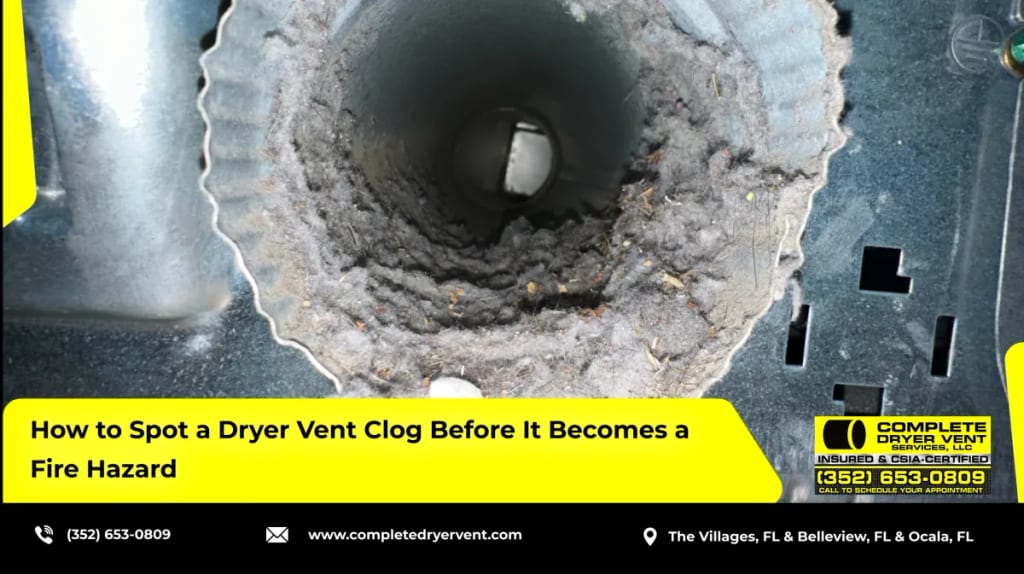
Over months and years, this debris accumulates silently in critical areas:
- The dryer cabinet floor and blower housing.
- The transition hose (the flexible pipe connecting the dryer to the wall).
- The rigid ductwork inside your walls.
- The exterior vent cap (often blocked by bird nests or crushed louvers).
Restricted Airflow and Backpressure
Imagine putting your thumb over a running garden hose. The pressure builds up. The same physics apply to your dryer.
When a vent is clogged with lint, the hot air cannot escape. The heat “backs up” into the dryer.
- Thermostats Cycle Rapidly: The dryer gets hotter than intended.
- Safety Fuses Blow: Eventually, the thermal fuse may trip, killing the dryer to save the house.
- Combustion: Before the fuse trips, the internal temperature can rise high enough to ignite the lint trapped inside the chassis.
Expert Note: If the top of your dryer is too hot to touch while running, your airflow is already dangerously restricted.
Beyond Lint: Mechanical and Electrical Culprits
While lint accumulation is the leading cause of the burning smell in dryer units (and the leading cause of fires), mechanical wear and tear are close seconds. At Complete Dryer Vent, we often find that a burning smell is a symptom of an aging machine crying out for maintenance.
1. Failing Drive Belts and Idler Pulleys
The internal mechanics of a dryer are under constant stress. The drive belt wraps around the heavy drum and the motor pulley. Over time, belts dry rot and stretch.
- The Symptom: You may hear a “thumping” sound before the smell starts.
- The Result: If the belt snaps, the dryer stops. If it slips, it burns.
2. Thermostat Failure
Your dryer uses a cycling thermostat to turn the heat on and off to maintain a target temperature.
- Failed Closed: If the thermostat fails in the “closed” (on) position, the heating element stays on continuously. This can cause the dryer to reach dangerous, unregulated heat levels that scorch your clothes and melt internal plastic components.
3. Electrical Arcing
Dryers vibrate. Over thousands of cycles, these vibrations can loosen wire connections on the terminal block or the heating element.
- Arcing: Loose electricity jumps across the gap (arcs), generating intense localized heat (upwards of 2000°F). This melts wire insulation and plastic terminals, causing a distinct, sharp chemical odor.
Immediate Action Plan: What to Do Right Now
If you detect a burning smell in dryer operations, panic is your enemy, action is your ally. Follow this safety protocol immediately.
- Stop the Cycle: Do not wait for the timer to finish. Press the Stop/Pause button immediately.
- Cut the Power: Unplug the unit from the wall. If you have a gas dryer and can safely reach the valve, turn off the gas supply as a precaution.
- Evacuate if Necessary: If you see visible smoke, sparks, or feel excessive heat radiating from the walls, get your family out of the house and call 911.
- Inspect the Drum: Once the power is off, carefully open the door. Be cautious—buttons and zippers may be scorching hot. Remove the clothes and take them outside to cool down.
- Tip: If the clothes smell like smoke, do not put them in a pile; lay them flat outside to dissipate heat.
- Do Not Restart: Even if the smell fades after an hour, do not restart the dryer. The condition that caused the smell (clogged vent, broken belt, electrical short) has not fixed itself. Restarting it risks a full-blown fire.
- Call a Professional: Contact a certified dryer exhaust technician to inspect the line.
DIY vs. Professional: Why Expertise Matters
In the age of YouTube tutorials, many homeowners believe a shop vac or a flexible brush kit from a hardware store is sufficient to solve a burning smell in dryer issue. As industry professionals, we must caution against this.
The Limits of DIY Kits
DIY rods are often flexible and brittle. We frequently receive service calls to retrieve broken DIY brush heads that have snapped off inside the wall, effectively creating a permanent block. Furthermore, a shop vac does not have the CFM (Cubic Feet per Minute) power to pull heavy, water-logged lint from a 25-foot duct run.
The “Complete Dryer Vent” Professional Standard
Here is what a professional service includes that a DIY attempt misses:
- Airflow Measurement: We use anemometers to measure the exit velocity of the air before and after cleaning. We don’t guess; we verify that the system meets manufacturer specifications (usually around 1,500 FPM).
- Rotary Agitation: We use professional-grade, drill-powered augers that scrub the walls of the ducting, removing calcified lint and nesting materials that simple suction cannot budge.
- Code Compliance Checks: Is your transition hose made of white vinyl or foil? These are non-code compliant and highly flammable. We inspect your setup and recommend upgrading to UL-listed semi-rigid metal venting.
- Roof and Attic Access: We go where you can’t. If your vent terminates on the roof, we inspect it for tar build-up or stuck flappers that are forcing carbon monoxide or moisture back into your home.
Learn more about our Professional Residential Dryer Vent Cleaning Services here.
The Financial Impact of Ignoring the Smell
Ignoring a burning smell in dryer usage doesn’t just put your life at risk; it is a silent drain on your bank account.
Skyrocketing Energy Bills
A clogged vent forces your dryer to work double-time.
- Efficiency Drop: If a load of laundry takes 2 cycles to dry instead of one, you are doubling your energy consumption for that appliance.
- Cost Analysis: According to energy efficiency data, a restricted dryer vent can add an extra $18-$24 per month to your electric bill. Over a year, that is nearly $300—more than the cost of a professional cleaning.
Shortened Appliance Lifespan
Dryers are designed to last 10-13 years. However, chronic overheating caused by poor ventilation wears out the heating element and motor prematurely. Replacing a dryer costs between $600 and $1,500. Regular maintenance protects this investment.
Preventive Maintenance: Habits for a Safe Home
You don’t have to wait for a burning smell in dryer cycles to act. Adopt these expert-recommended habits to keep your home safe.
The “Every Load” Rule
Clean the lint filter before and after every single load. It takes 10 seconds and is your first line of defense.
The Soap and Water Test
Do you use dryer sheets or liquid fabric softener? They contain oils that coat the mesh of your lint screen, creating an invisible film.
- The Test: Remove your lint screen and run it under water. If the water pools on top and doesn’t flow through the mesh, it is clogged with chemical residue.
- The Fix: Scrub the screen with hot water and dish soap using a toothbrush until water flows freely.
Check the Exterior
While the dryer is running, go outside to the vent termination point. You should see the flaps open and feel a strong, warm breeze.
- If the air feels weak, or if the flaps barely open, you have a clog forming.
Annual Professional Service
Most manufacturers and fire safety codes recommend a professional vent cleaning once a year. If you have a large family, pets (pet hair is a major clogging agent), or a vent run longer than 15 feet, you may need service every 6 months.
Frequently Asked Questions
Q: My dryer is hot to the touch, but I don’t smell burning yet. Am I safe?
A: No. If the dryer cabinet feels hot or your laundry room is excessively humid (sweating windows), these are “red flags” that airflow is restricted. The burning smell is often the final warning before a fire starts.
Q: Can I use a leaf blower to clean my vent?
A: We do not recommend this. Leaf blowers push air, but they don’t scrub. They can compact loose lint into tight balls at the elbows of your ductwork, creating a denser blockage. They can also disconnect ductwork inside your walls, venting moist air and lint into your insulation.
Q: What does a burnt motor smell like?
A: A burning motor often has a distinct electrical or “ozone” smell, sometimes accompanied by a buzzing sound. If the motor is failing, the drum may struggle to turn.
Q: Why does my dryer smell like gas?
A: If you smell rotten eggs, this is a natural gas leak, not a lint issue. Turn off the gas valve, leave the house immediately, and call your utility company.
Conclusion: Trust Your Senses
If something smells wrong, it probably is. A burning smell in dryer operation is your appliance’s distress signal. By acting immediately, shutting down the machine and calling a professional, you transform a potential disaster into a manageable maintenance task.
Don’t gamble with your home’s safety. Ensure your family is protected from fire hazards and your energy bills stay low.
Smell smoke? Don’t wait.
Contact Complete Dryer Vent today to schedule your comprehensive safety inspection and cleaning. Our certified technicians are ready to restore your peace of mind.