
A dryer burn mark on your favorite shirt—or a scorched patch inside the drum—is never just cosmetic. It usually means excess heat had nowhere to escape, which is the same condition behind most residential dryer fires. If you’re seeing burn marks, smelling something hot, or noticing sticky brown residue near the lint trap, your appliance is telling you the exhaust system is struggling.
This guide walks through what causes those marks, how to tell a minor issue from a genuine fire hazard, and when a homeowner can safely handle it versus when it’s time to call a CSIA Certified Dryer Exhaust Technician. We serve families across Marion, Sumter, Lake, and Citrus counties, including a lot of calls lately from Oxford, The Villages, and Wildwood.
📌 Key Takeaways
- Dryer burn marks and dark residue on clothes almost always point to restricted airflow, not a bad dryer.
- According to the U.S. Fire Administration, failure to clean dryers is a leading cause of home dryer fires.
- Brown, sticky residue near the drum seal is oxidized lint and fabric softener, not simple dust.
- A vent that takes longer than 40 minutes to dry a normal load is already showing signs of blockage.
- Professional cleaning removes what a lint trap and dryer sheet cannot reach.
Jump to a Section
- What Causes Dryer Burn Marks and Residue?
- How to Spot Dangerous Dryer Burn Warning Signs
- DIY Cleaning vs Professional Dryer Vent Service
- What To Do If You Find Dryer Burn Residue
- Preventing Dryer Burns in The Villages, Wildwood, and Oxford Homes
- FAQ
What Causes Dryer Burn Marks and Residue?
Quick Answer: Burn marks form when hot air can’t exit the exhaust duct fast enough, so heat and lint linger against fabric and metal until they scorch. The root cause is almost always a restricted or clogged vent, not a defective machine.
The Chemistry Behind Dryer Burn Residue
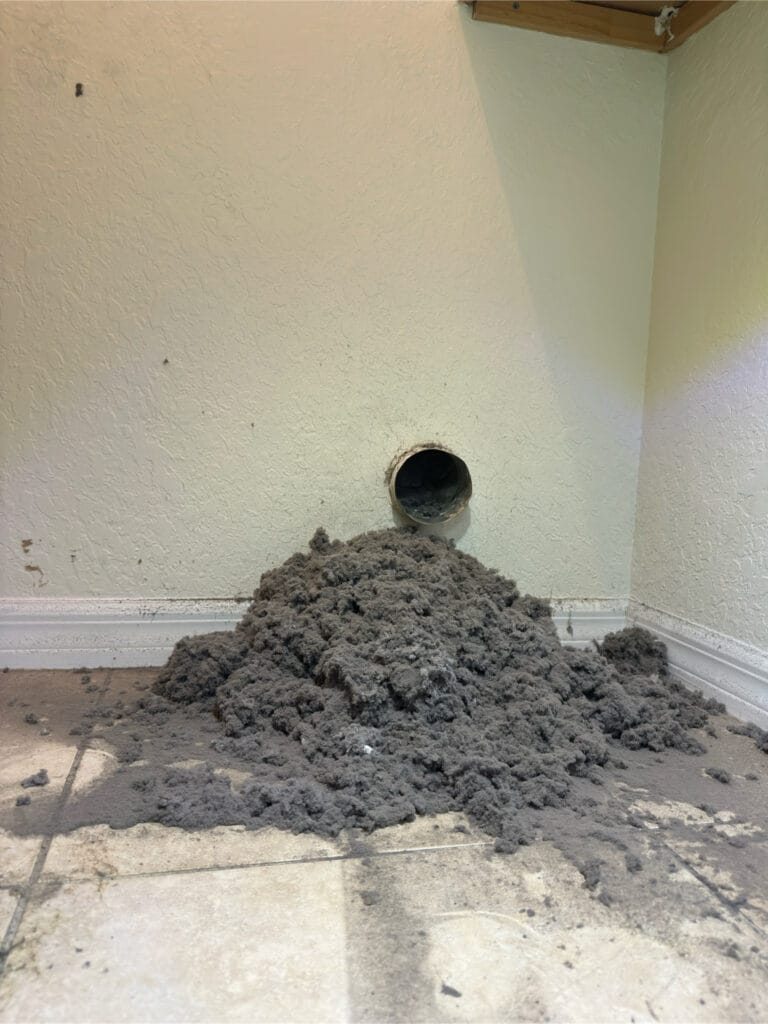
Every load releases lint, fiber dust, and fabric softener vapor into the exhaust stream. Under normal airflow, this exits through the vent within minutes. When the path is blocked, that debris slows down, cooks against the drum, and turns into the dark, tacky film homeowners describe as dryer burn residue.
That residue is essentially oxidized lint—organic fiber that has been partially combusted by prolonged heat exposure. It clings to the drum lip, the door seal, and sometimes the clothes themselves, leaving faint brown or black streaks that look like a stain but won’t wash out.
Common Household Habits That Trigger Burns
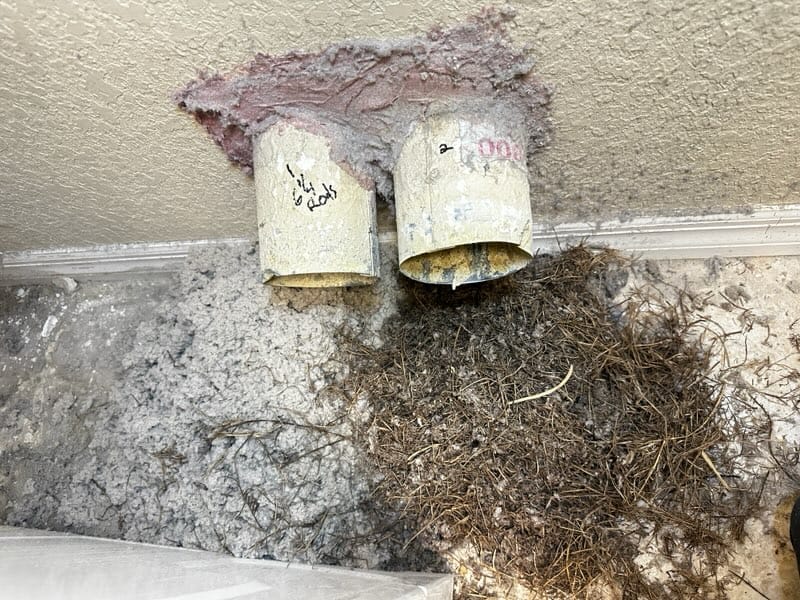
A few everyday habits accelerate the problem. Overloading the drum forces clothes to sit closer to the heating element longer than they should. Skipping lint trap cleaning between loads, using long or crushed exhaust ducts, and running the dryer while a bird’s nest sits in the exterior vent hood all raise internal temperatures.
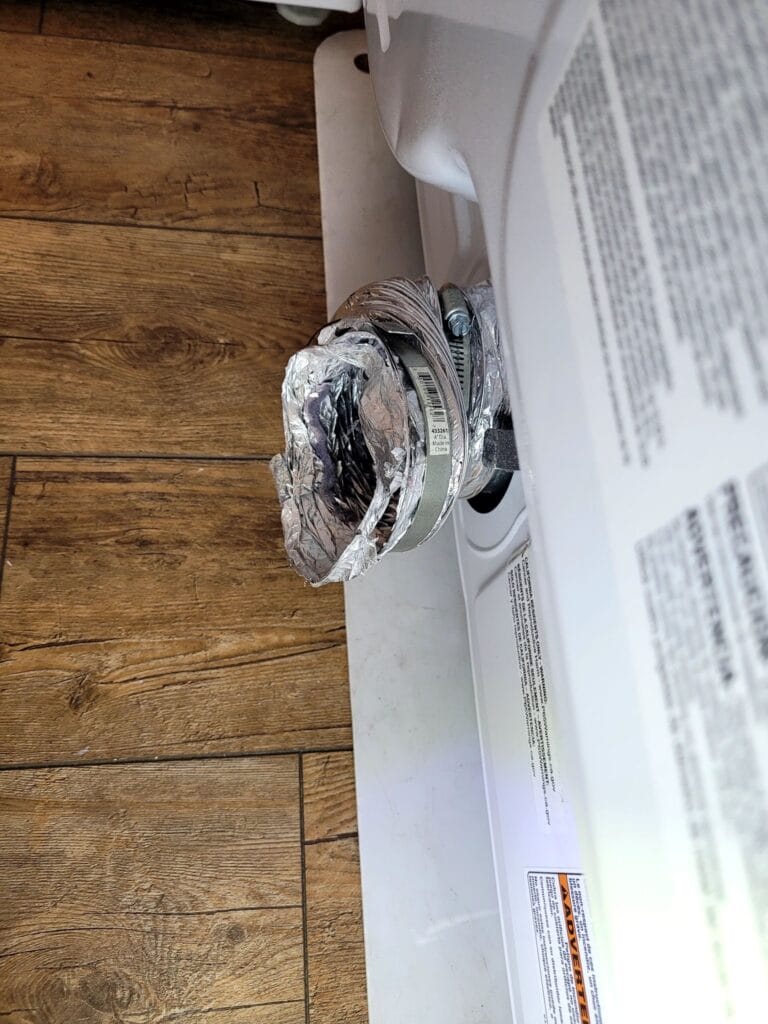
⚠️ Common Mistake: Many homeowners assume a burning smell means the dryer itself is broken and replace a perfectly good machine, when the actual problem is a blocked exhaust that a clogged dryer vent repair would have fixed for far less money.
How to Spot Dangerous Dryer Burn Warning Signs
Quick Answer: The clearest warning signs are visible scorch marks, a hot metallic or plastic smell, clothes that come out hotter than usual, and a dryer that runs longer than 45 minutes per load. Any of these means airflow is restricted enough to raise fire risk.
Visual and Smell Clues
Check the inside of the drum and the door gasket for brown streaking. Pull the lint trap and look for a shiny, glazed coating instead of loose fluff—that glaze is heat-baked residue. A burning smell that shows up only during the drying cycle, described in more detail in our guide on a burning smell coming from your dryer, is another strong indicator.
When Burn Marks Signal a Vent Fire Risk
Isolated light scuffing on one garment is usually harmless friction damage. Repeated dark patches on multiple items, especially near seams and buttons that sit close to the drum wall, mean heat is concentrating somewhere it shouldn’t. According to the Consumer Product Safety Commission, clothes dryers are involved in thousands of reported home fires annually, and lint ignition is consistently among the top contributing factors.
💡 Expert Insight: In our experience inspecting vents across Marion and Sumter counties, homes with long or multi-turn duct runs—common in retirement communities like The Villages—show burn-related residue nearly twice as often as homes with short, straight runs.
| Sign | Likely Cause | Recommended Action |
|---|---|---|
| Faint scuff on one item | Zipper or button friction | Monitor, no action needed |
| Brown streaks on multiple loads | Restricted vent airflow | Schedule vent inspection |
| Sticky black residue on drum | Overheated lint buildup | Professional cleaning |
| Hot plastic smell during cycle | Motor bearing or overheating vent | Stop use, call a technician |
| Dryer runs 45+ minutes routinely | Vent blockage or crushed duct | Book cleaning/repair soon |
DIY Cleaning vs Professional Dryer Vent Service
Quick Answer: DIY lint trap cleaning handles surface dust, but only professional equipment reaches residue baked onto duct walls and the drum interior. If burn marks or residue keep returning after you clean the trap, the problem is downstream and needs professional dryer vent cleaning.
What a Homeowner Can Safely Handle
Wiping the lint trap after every load, vacuuming visible dust near the machine, and checking the exterior vent hood for nesting debris are reasonable DIY tasks. These reduce surface buildup but don’t reach residue lodged deeper in the exhaust run.
What Requires Professional Equipment
Baked-on burn residue and long duct runs need rotary brush systems and negative-air vacuum extraction that reach 15 to 30 feet of ducting. A CSIA Certified Dryer Exhaust Technician also checks termination hoods, seams, and duct slope—things a homeowner can’t inspect from inside the laundry room.
✅ Quick Tip: If your dryer sits on an exterior wall with a short, straight vent run, DIY maintenance may hold you over longer between professional cleanings than a home with a long interior run through the attic.
Table: DIY vs Professional Comparison
| Task | DIY | Professional Service |
|---|---|---|
| Lint trap wipe-down | ✅ Yes | ✅ Included |
| Interior duct brushing | ❌ Limited reach | ✅ Full-length cleaning |
| Exterior vent inspection | ⚠️ Visual only | ✅ Hands-on check |
| Airflow measurement | ❌ Not possible | ✅ Professional tools |
| Residue/burn diagnosis | ⚠️ Guesswork | ✅ Trained assessment |
What To Do If You Find Dryer Burn Residue
Quick Answer: Stop using the dryer, unplug it or shut off the gas line, and inspect the lint trap and accessible duct before calling a technician. Never run another load until the source of the heat buildup is identified.
Immediate Safety Steps
- Power down the dryer and disconnect it from the outlet or gas supply.
- Remove and inspect the lint trap for glazed, dark residue.
- Check the exterior vent hood for obstructions like debris, insects, or a stuck flap.
- Note how long recent loads have taken to dry—longer cycles suggest a blockage.
- Avoid running the machine again until airflow is confirmed clear.
When to Call a CSIA Certified Technician
If residue reappears after cleaning the trap, if you smell hot plastic, or if the duct run is longer than a few feet with any bends, it’s time for a professional look. A full dryer vent safety inspection checks airflow speed, duct integrity, and termination condition in one visit.
📊 Data Point: The National Fire Protection Association reports that failure to clean dryers accounts for the largest share of home dryer and washer fires with a known cause, ahead of mechanical failure or electrical faults.
Preventing Dryer Burns in The Villages, Wildwood, and Oxford Homes
Quick Answer: Consistent cleaning intervals, shorter vent runs where possible, and annual professional inspections prevent nearly all dryer burn incidents. Homes in retirement communities with longer duct configurations benefit most from a fixed maintenance schedule.
Why Local Homes See More Buildup
Many homes in The Villages, Oxford, and Wildwood were built with laundry rooms set back from exterior walls, meaning vent runs travel farther through attic space or interior walls. Longer runs mean more surface area for lint to accumulate before it reaches outside air, which raises burn and blockage risk over time.
A Practical Maintenance Schedule
| Household Type | Recommended Cleaning Frequency |
|---|---|
| Short vent run, 1-2 residents | Every 18-24 months |
| Standard run, family of 3-4 | Annually |
| Long/attic run, retirement community | Every 6-12 months |
| Frequent large loads or pet hair | Every 6 months |
✅ Quick Tip: If it’s been more than a year since your last cleaning and you’ve noticed even faint scorch marks, book an inspection before the next humid Florida summer adds moisture-related strain to the system.
Homeowners considering a layout change should also look into a dryer vent box installation, which shortens the duct path and reduces the crushed-duct risk common with rear-venting machines pushed too close to the wall.
FAQ
What does dryer burn residue look like?
Dryer burn residue is a dark brown or black, slightly sticky film usually found on the lint trap, drum interior, or door seal. It forms when lint and fabric softener vapor are exposed to prolonged heat instead of exiting through a clear vent.
Can a dryer burn mark on clothes be fixed?
A true dryer burn mark, where fabric fibers have scorched, generally cannot be reversed since the material itself has been damaged. Light discoloration from residue transfer sometimes washes out, but scorched fibers are permanent.
Is a dryer burn smell dangerous?
Yes, a persistent hot or burning smell during drying cycles indicates restricted airflow or overheating components, both of which are associated with home dryer fires. Stop using the dryer and have the vent inspected before running another load.
How often should dryer vents be cleaned to prevent burns?
Most households need professional cleaning annually, while homes with long duct runs—common in The Villages and similar communities—often need it every six to twelve months. A shorter run with light laundry use may stretch to 18-24 months.
Why does my dryer smell like it’s burning but there’s no visible damage?
Heat can build up inside the duct before any residue becomes visible on the drum or lint trap. This is one of the earliest warning signs and is worth investigating with a professional inspection before marks or damage appear.
Does a dryer burn smell always mean a fire risk?
Not every burning smell means an active fire risk, but persistent heat odor is one of the most reliable early indicators tracked by fire safety agencies. Treat it as a signal to inspect the vent system rather than something to ignore.
Can I clean dryer burn residue myself?
You can wipe visible residue from the lint trap and accessible drum areas, but residue inside the duct itself requires professional brushing and vacuum equipment. DIY cleaning reduces surface buildup but rarely reaches the source of recurring burn residue.
Final Thoughts
Dryer burn marks and residue are your appliance’s early warning system, not a cosmetic nuisance to ignore. In nearly every case we’ve inspected, the underlying cause traces back to a restricted vent rather than a faulty machine. Catching it early with proper cleaning and inspection protects both your laundry and your home.
- Unplug the dryer and inspect the lint trap for glazed residue.
- Check the exterior vent hood for blockages or debris.
- Track how long loads take to dry compared to normal.
- Schedule a professional vent inspection if residue or smell persists.
- Set a recurring cleaning schedule based on your duct length.
As a CSIA Certified Dryer Exhaust Technician serving Oxford, The Villages, Wildwood, and the surrounding counties, we inspect and clean the parts of the system homeowners can’t see. Schedule your dryer vent inspection today and stop dryer burn risk before it starts.

