
A dryer overheating burning smell almost always means airflow is restricted somewhere between the drum and the outside vent cap. It’s your dryer’s way of warning you before something worse happens. In most cases the culprit is trapped lint or a crushed duct, but a failing heating element or worn bearing can cause the same odor.
We’ve inspected hundreds of homes across Marion, Sumter, and Lake counties where homeowners described "a burning smell coming from dryer" right after a normal load. Nine times out of ten, the fix starts with checking the vent system before touching any internal parts. Ignoring it isn’t just inconvenient — according to the National Fire Protection Association, dryers and washing machines are involved in thousands of home fires every year, and failure to clean them is the leading contributing factor.
This guide walks through the real causes, what’s safe to check yourself, and when the smell means stop using the dryer immediately.
📌 Key Takeaways
- A dryer overheating burning smell is usually caused by restricted airflow, not a burnt-out motor.
- Burning smell with no visible smoke can still signal a dangerous heat buildup inside the vent.
- Never run a dryer again after a strong burning smell until the vent and lint trap are inspected.
- New dryers can have a mild odor for the first few loads — but it should fade, not intensify.
- A CSIA Certified Dryer Exhaust Technician can find blockages a homeowner often can’t see.
Jump to a section:
- Understand What’s Causing the Smell
- Know the Difference: Normal vs. Dangerous Odors
- What To Do the Moment You Smell Burning
- DIY Checks vs. When to Call a Professional
- Preventing It From Happening Again
- Frequently Asked Questions
Understand What’s Causing the Smell
Quick Answer: Most burning smells trace back to lint clogging the vent path, which forces the heating element to work harder and overheat. Mechanical wear — a dying belt, motor bearing, or heating element — is the second most common cause.
Lint is highly flammable and builds up in the duct, the vent hood, and even inside the drum housing itself. When airflow can’t escape, heat has nowhere to go, and the dryer overheating burning smell you notice is often that trapped heat scorching residual lint. This is precisely why the U.S. Consumer Product Safety Commission lists dryer vent cleaning as a core fire-prevention task for homeowners.
Mechanical Causes Behind the Odor
Sometimes the smell has nothing to do with lint. A slipping drive belt can generate friction heat that smells like burning rubber. A failing heating element can also scorch dust that’s settled on the coil, especially in dryers that haven’t been serviced in years.
⚠️ Common Mistake: Homeowners often assume a burning smell from dryer no smoke situations are harmless because there’s nothing visibly wrong. Heat can build for hours before smoke ever appears.
Electrical and Wiring Issues
Less common, but more serious, is a burning smell caused by frayed wiring or a failing thermal fuse. This smells more acrid than a lint-based odor — closer to burnt plastic than warm dust. If you notice this specific scent, unplug the dryer and don’t run it again until it’s inspected.
Know the Difference: Normal vs. Dangerous Odors
Quick Answer: A faint, dusty smell during the first few loads on a brand-new dryer is generally normal. A strong, persistent, or worsening burning smell — especially one that lingers after the cycle ends — is not.
We get this question constantly from homeowners in Oxford and The Villages who just bought new machines: does a new dryer have a burning smell? Yes, briefly — factory coatings and manufacturing oils can smoke off during the first two or three cycles. It should fade quickly and never smell like scorched lint.
| Symptom | Likely Cause | Recommended Action |
|---|---|---|
| Faint smell, first 2-3 loads only | Manufacturing residue burning off | Continue monitoring, no action needed |
| Burning smell from dryer after cleaning | Loosened lint settling on heating element | Run one empty cycle, inspect trap and duct |
| Strong smell, no smoke visible | Restricted vent, heat buildup | Stop use, schedule a vent inspection |
| Smell of hot plastic or rubber | Belt slipping or wiring issue | Unplug immediately, call a technician |
| Smell returns every few loads | Partial vent clog rebuilding lint | Schedule professional dryer cleaning |
💡 Expert Insight: As a CSIA Certified Dryer Exhaust Technician, I’ve found that a dryer burning smell after cleaning vent work is usually just leftover lint dust settling — but it should clear within one cycle. If it doesn’t, there’s likely still a partial blockage further down the line.
When It’s Not Lint at All
If you just had your vent professionally cleaned and the burning smell coming from dryer persists, don’t assume the job was incomplete. Sometimes cleaning dislodges old lint that resettles near the heating coil temporarily. Give it one full cycle before calling back.
What To Do the Moment You Smell Burning
Quick Answer: Stop the dryer, unplug it or shut off the gas line, and check the lint trap and accessible duct before running another load. Never leave a dryer running unattended if you’ve noticed a strong odor.
- Stop the cycle immediately and open the door to let the drum cool.
- Unplug the dryer or shut off its gas supply at the valve.
- Remove and clean the lint trap completely, including the screen mesh.
- Check the accessible portion of the vent duct for crushing, disconnection, or visible lint buildup.
- If the smell persists or you can’t inspect the full vent run, call a professional before using the dryer again.
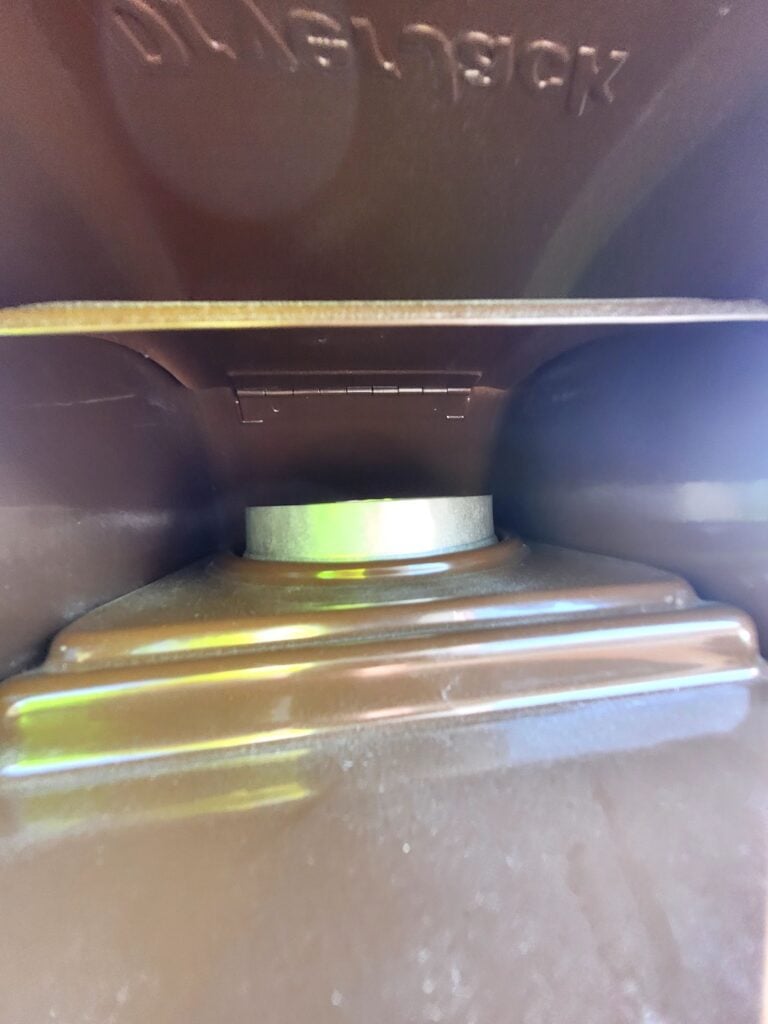
✅ Quick Tip: Keep a flashlight near the laundry room. A quick visual check of the vent hood outside your home can reveal obvious blockages — bird nests, lint clumps, or crushed flex duct — in under two minutes.
Gas Dryers Need Extra Caution
If you have a gas dryer, a burning smell combined with any hint of a rotten-egg odor means stop immediately and leave the area. That combination can indicate a gas leak, not just a vent issue, and it needs an emergency response, not a home fix.
DIY Checks vs. When to Call a Professional
Quick Answer: Lint trap cleaning and a visual duct check are safe for most homeowners. Anything involving the heating element, internal wiring, or a long/inaccessible duct run belongs to a trained technician.
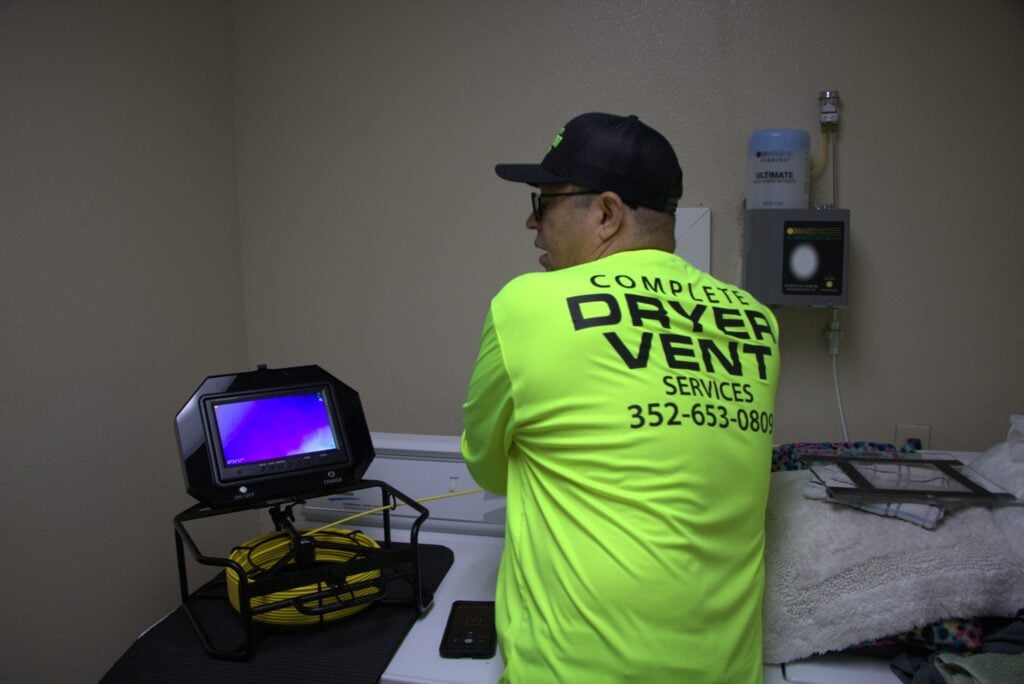
We see this question a lot from residents in Wildwood dealing with older homes where the dryer vent runs through an attic or long wall cavity. Those runs are nearly impossible to inspect fully without proper tools, which is where a professional dryer cleaning service earns its keep.
| Task | DIY-Friendly? | Why |
|---|---|---|
| Cleaning the lint trap | Yes | Simple, no tools required |
| Checking exterior vent cap | Yes | Visual inspection only |
| Cleaning a long or bent duct run | No | Requires rods, brushes, camera inspection |
| Diagnosing heating element failure | No | Involves electrical components |
| Replacing a crushed or damaged vent | No | Requires code-compliant materials and fitting |
Why Long Duct Runs Are Riskier
Homes with dryers located far from an exterior wall often route vents through attics or under floors. These longer paths trap more lint and are harder to clean thoroughly, which is one reason our clogged dryer vent repair visits often include a full-length camera pass, not just a snake-and-hope approach.
📊 Data Point: According to the U.S. Fire Administration, failure to clean dryers is cited as a leading factor in home dryer fires nationwide, underscoring why routine vent maintenance matters more than most homeowners realize.
Preventing It From Happening Again
Quick Answer: Clean the lint trap every load, schedule a full vent cleaning annually, and replace crushed or foil-style ducting with rigid metal duct. Consistency prevents the buildup that causes overheating in the first place.
In my experience working with homeowners across Marion and Lake counties, the households that never smell burning are the ones on a set schedule — not the ones who wait for a warning sign. An annual dryer vent safety inspection catches small issues, like a sagging duct or a loose vent cap, before they become a burning smell from dryer not lint situation.
Upgrading Your Vent System
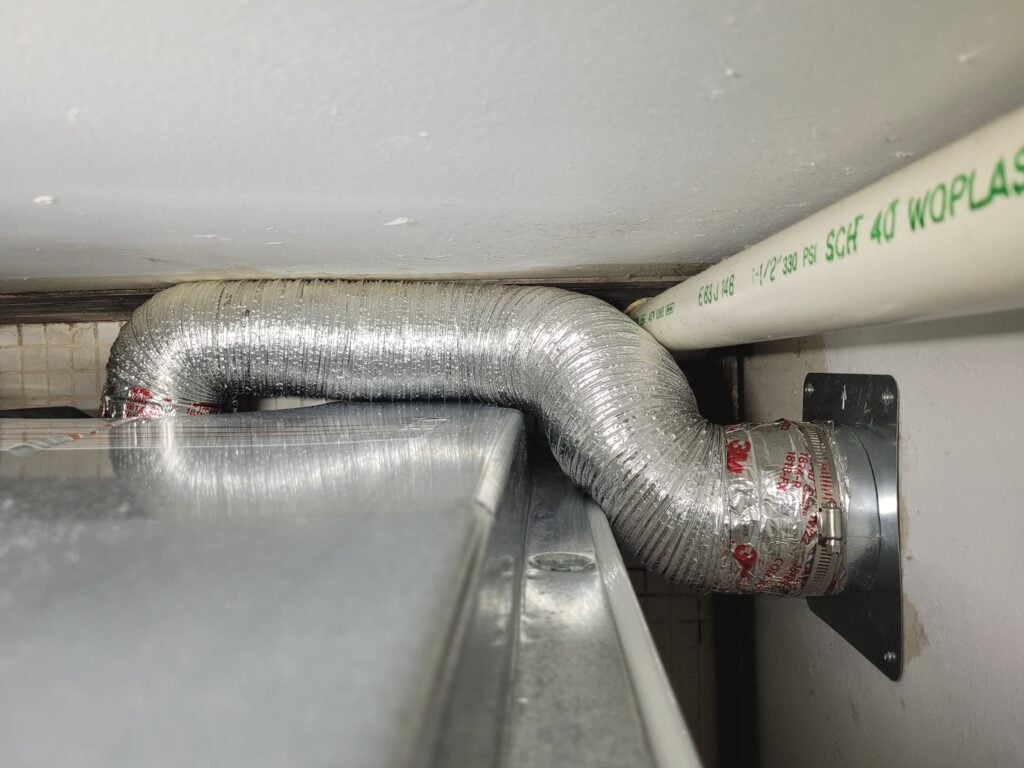
Older homes in Ocala and The Villages sometimes still have flexible foil or vinyl ducting, which sags and traps lint far more than rigid metal duct. If your dryer vent runs an unusually long or bent path, ask about exterior vent replacement or a dryer vent box installation to shorten and straighten the run.
⚠️ Common Mistake: Many homeowners assume a new heating element resets the clock on maintenance. Does a new heating element dryer burning smell mean the vent is fine? Not necessarily — a new part just masks an existing airflow problem temporarily.
Frequently Asked Questions
Why does my dryer have a burning smell but no smoke?
Heat can build up inside a blocked vent long before any smoke becomes visible, especially if the blockage is deep in the duct rather than at the lint trap. Treat a burning smell from dryer no smoke situation exactly as seriously as one with visible smoke.
Is it normal for a brand-new dryer to smell like burning?
A faint odor during the first two or three loads is common due to manufacturing residue burning off the heating element. It should fade quickly; if it doesn’t, or if it smells like scorched lint, stop the dryer and have it checked.
Why does my dryer smell like burning after I just cleaned the vent?
A dryer burning smell after cleaning vent service is often leftover lint dust settling near the heating coil, which typically clears after one full cycle. If the smell continues past that, there may be a remaining blockage further down the duct.
What does a burning smell from dryer not lint related actually mean?
If the smell isn’t dusty or musty like burning lint, it could point to a slipping belt, worn bearing, or an electrical issue near the heating element. These smells are often sharper or more chemical and warrant an immediate professional inspection.
Can a clogged dryer vent really cause a fire?
Yes — restricted airflow raises internal temperatures and creates a buildup of highly flammable lint, which is why organizations like NFPA track dryer fires as a preventable home hazard. Regular cleaning keeps both the appliance and the surrounding structure safer.
How often should I get my dryer vent cleaned to avoid a burning smell?
Most homes benefit from a professional cleaning once a year, though larger households or homes with long duct runs may need it more often. Homeowners in Oxford, Wildwood, and The Villages with older ducting sometimes need service every six to nine months.
Should I keep using my dryer if it smells like burning?
No — stop the cycle, unplug the dryer, and inspect the lint trap and accessible vent before running it again. If the smell returns or you can’t fully inspect the duct, it’s time to call a professional rather than risk another load.
Bringing It All Together
A dryer overheating burning smell is a warning sign worth taking seriously, but it’s rarely a mystery once you know what to check. Start with the lint trap, look at the accessible duct, and pay attention to whether the smell fades or intensifies. When in doubt, a professional inspection costs far less than dealing with a dryer fire — or a house fire.
- Unplug the dryer and let it cool if you notice any burning odor.
- Clean the lint trap and inspect what duct you can safely reach.
- Note whether the smell is dusty (lint) or chemical (electrical/mechanical).
- Schedule a professional vent inspection if the smell returns or persists.
We’re CSIA Certified Dryer Exhaust Technicians serving Marion, Sumter, Lake, Citrus, and Alachua counties, including Oxford, The Villages, and Wildwood. Schedule a dryer vent inspection today and stop guessing about that burning smell for good.

