When your dryer smells burnt, it’s almost always a sign that heat is building up somewhere it shouldn’t — usually trapped lint, a worn belt, or a blocked exhaust vent. That odor is your dryer’s way of telling you something is wrong before it becomes dangerous. Ignoring it is one of the most common mistakes we see as CSIA Certified Dryer Exhaust Technicians working across Central Florida.
A burning smell isn’t always identical from one home to the next. Some homeowners describe it as burnt rubber, others say it smells like hot plastic, cigarette smoke, or even charcoal. Each variation points toward a slightly different cause, but all of them share one thing in common: excess heat with nowhere to escape. According to the National Fire Protection Association (NFPA), failure to clean dryers is a leading contributing factor in home clothes dryer fires.
In this guide, we’ll walk through what different burnt odors mean, when they signal real fire danger, and what homeowners in Oxford, The Villages, and Wildwood should do next.
📌 Key Takeaways
- A dryer smells burnt most often because of trapped lint, a failing belt, or a clogged exterior vent.
- Burning rubber usually points to a worn belt or motor bearing, not the vent itself.
- A hot, dusty smell is frequently linked to restricted airflow and overheating components.
- Stop using the dryer immediately if you notice smoke, scorch marks, or a persistent acrid odor.
- Annual professional cleaning and inspection catches most causes before they become fire hazards.
Quick Navigation
- Identify the Smell: Rubber, Plastic, or Smoke?
- Common Causes Behind a Burnt Dryer Odor
- When a Burning Smell Means Real Fire Danger
- DIY Checks vs. Calling a Professional
- How Professional Cleaning Solves the Problem
- Preventing Burnt Odors Going Forward
- FAQ
Identify the Smell: Rubber, Plastic, or Smoke?
Quick Answer: The exact odor gives you a clue about the cause — rubber points to belts or bearings, plastic points to overheating electrical parts, and smoke or charcoal points to trapped lint. Pay attention to the specific scent before you troubleshoot.
A dryer that smells like burning rubber usually has a slipping or worn drive belt rubbing against a hot drum or pulley. This friction generates enough heat to produce that distinct rubbery odor within a few minutes of starting a cycle.
When the dryer smells like burning plastic instead, the culprit is often a small plastic component — a knob, timer, or wiring insulation — sitting too close to a heat source. This is a technical term worth defining: the heating element is the coil that produces heat for drying; when it malfunctions, nearby plastic parts can soften or scorch.
⚠️ Common Mistake: Many homeowners assume any burning odor means the vent is dirty. In reality, mechanical parts like belts, rollers, and motors cause a meaningful share of burnt smells and need hands-on inspection, not just vent cleaning.
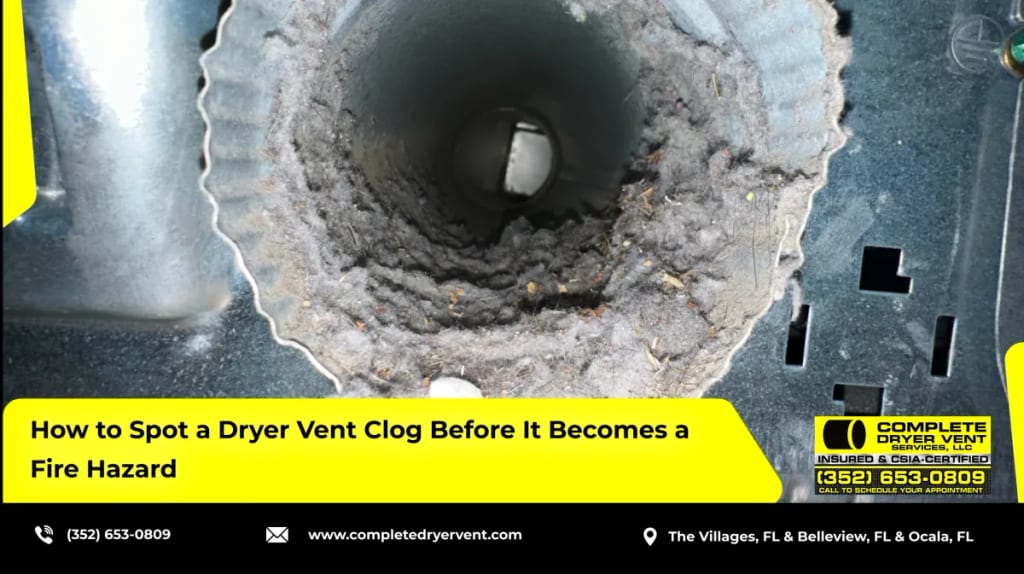
If the dryer smells like smoke, cigarette smoke, or charcoal, lint buildup is the most likely explanation. Lint is highly combustible cotton and polyester fiber, and when it accumulates near the heating element it can smolder without an open flame — producing that sooty, campfire-like scent long before anything visibly burns.

Common Causes Behind a Burnt Dryer Odor
Quick Answer: Most burnt odors trace back to one of four things: lint buildup, a blocked exterior vent, worn mechanical parts, or an electrical issue. Identifying which one applies determines whether you need cleaning, repair, or replacement.
Lint and Vent Restrictions
Over time, lint collects inside the vent line, not just the trap. A restricted vent forces the dryer to work harder and run hotter, which is a frequent reason a clothes dryer smells like burning after months of normal use. The U.S. Fire Administration notes that clogged vents are a recurring factor in residential dryer fire investigations.
Mechanical Wear
Belts, idler pulleys, and drum bearings wear down with age. As they degrade, friction increases, heat rises, and homeowners notice a dryer smells hot or like burnt rubber even when the vent itself is clear. This is one reason a full inspection matters more than guesswork.
💡 Expert Insight: In our service calls across Marion and Sumter counties, roughly half of "burning smell" complaints trace back to airflow restriction, while the other half involve a mechanical part that needs replacement — not just cleaning.
Electrical and Wiring Issues
Less common but more serious, frayed wiring or a failing motor can generate a sharp, plastic-like odor. This requires a qualified appliance technician rather than a vent specialist, since it involves the dryer’s internal electrical system.
| Smell Type | Likely Cause | Recommended Action |
|---|---|---|
| Burning rubber | Worn belt or pulley | Appliance repair technician |
| Burning plastic | Overheated electrical part | Unplug, call appliance tech |
| Smoke / charcoal / cigarette-like | Lint buildup in trap or vent | Professional vent cleaning |
| Hot, dusty smell | Restricted airflow | Vent inspection and cleaning |
| Smell only on long cycles | Partial vent blockage | Vent cleaning within 1-2 weeks |
When a Burning Smell Means Real Fire Danger
Quick Answer: Stop the dryer immediately if you see smoke, smell something acrid and strong, or notice the outside of the dryer feeling unusually hot. These are signs of an active fire risk, not routine maintenance.
According to the Consumer Product Safety Commission (CPSC), thousands of home fires each year are linked to clothes dryers, with lint accumulation as a top contributing factor. If your dryer smells like it’s burning during every single cycle, treat it as urgent rather than occasional.
📊 Data Point: Fire safety organizations consistently rank dryer lint fires among the most preventable home fire causes, since routine cleaning eliminates the fuel source entirely.
Warning signs that warrant immediately unplugging the dryer include visible smoke, scorch marks on clothing, a burning smell that lingers after the cycle ends, or clothes coming out unusually hot. When in doubt, our burning smell safety and prevention guide walks through the exact steps to take.

DIY Checks vs. Calling a Professional
Quick Answer: Homeowners can safely clean the lint trap and check the outside vent hood themselves. Anything involving the internal vent line, drum removal, or electrical parts should go to a certified technician.
What You Can Safely Check
- Unplug the dryer and let it cool completely before inspecting anything.
- Remove and clean the lint trap by hand, not just with a quick brush pass.
- Walk outside and check that the exterior vent hood flap opens freely with airflow.
- Look behind the dryer for a crushed, kinked, or disconnected vent hose.
- Note when the smell occurs — at startup, mid-cycle, or only on long loads.
✅ Quick Tip: Run the dryer empty for two minutes while watching the exterior vent hood. Weak or no airflow strongly suggests a clogged vent line rather than a mechanical issue.
What Needs a Professional
Anything past the accessible lint trap — the internal cabinet, transition hose, and full vent run to the exterior termination — requires specialized tools most homeowners don’t own. A clogged dryer vent repair visit typically includes camera inspection, rotary brush cleaning, and airflow testing that DIY methods can’t replicate.
| Task | DIY-Safe? | Why |
|---|---|---|
| Clean lint trap | Yes | Accessible, low risk |
| Check exterior vent hood | Yes | Visible, no disassembly needed |
| Clean internal vent line | No | Requires specialized brushes, cameras |
| Diagnose belt/bearing noise | No | Requires cabinet disassembly |
| Replace damaged exterior vent | No | Requires roofing/siding knowledge |
How Professional Cleaning Solves the Problem
Quick Answer: A full-system cleaning removes lint from the trap to the exterior termination, restoring airflow and eliminating the heat buildup that causes burnt smells in most homes.
In my own experience inspecting homes throughout Oxford and The Villages, the difference before and after a proper cleaning is often dramatic — airflow that was barely detectable at the vent hood becomes strong and steady within minutes of service completion. A thorough dryer cleaning service uses rotary brushes and vacuum extraction to clear lint the trap alone never touches.
If the vent line itself is damaged, crushed, or improperly routed, cleaning alone won’t solve a recurring burnt smell. In those cases, exterior vent replacement restores proper airflow by fixing the physical pathway, not just clearing debris.
💡 Expert Insight: We recommend pairing any cleaning visit with a dryer vent safety inspection, since it catches early mechanical wear that cleaning alone won’t reveal.
Why Certification Matters
As CSIA Certified Dryer Exhaust Technicians, our team follows manufacturer and industry standards for vent sizing, termination clearance, and airflow testing. That certification means an inspection checks the whole system — trap, transition hose, interior line, and exterior termination — rather than a surface-level cleaning.

Preventing Burnt Odors Going Forward
Quick Answer: Annual professional cleaning, monthly lint trap checks, and prompt attention to unusual smells prevent the vast majority of burnt-odor complaints before they start.
The Department of Energy notes that clogged dryer vents also reduce efficiency, meaning a smelly dryer is often an expensive one too — longer cycles use more electricity for the same load. Homeowners in Wildwood and surrounding communities who schedule annual service typically avoid emergency calls altogether.
⚠️ Common Mistake: Waiting until laundry takes noticeably longer to dry before calling for service. By that point, airflow restriction is usually severe enough to have already caused some heat-related wear.
For homes with long or complex vent runs, our 5 warning signs your dryer vent needs attention guide is a useful companion resource for spotting problems between annual visits.
Frequently Asked Questions
Why does my dryer smell burnt inside the drum?
A burnt smell inside the drum is usually caused by lint trapped near the heating element, which smolders slightly as it heats up. Cleaning the trap and interior cabinet typically resolves this within one service visit.
Is it dangerous if my dryer smells like burning rubber?
Yes, a burning rubber smell often signals a worn belt or bearing generating friction heat, and it should be checked before the part fails completely. Continued use can cause the belt to break or, in rare cases, ignite nearby lint.
Why does my dryer smell like cigarette smoke when I don’t smoke?
This smell usually comes from lint slowly overheating rather than actual smoke, since burnt cotton and polyester fibers produce a similar odor to tobacco smoke. It’s a strong signal that the vent or trap needs immediate cleaning.
Can a clogged vent make my dryer smell hot even on short cycles?
Yes, even a partially clogged vent restricts airflow enough that heat builds up faster than it can escape, producing a hot smell on shorter loads. This is one of the earliest warning signs before a full burnt odor develops.
How often should dryer vents be cleaned to prevent burning smells?
Most manufacturers and fire safety organizations recommend annual cleaning for average households, with more frequent service for larger families or homes with long vent runs. Homeowners in The Villages with older homes often benefit from checking every six to nine months.
What should I do right now if my dryer smells burnt?
Unplug the dryer immediately, let it cool, and inspect the lint trap and exterior vent hood for visible blockage. If the smell persists or you notice smoke, contact a certified technician before running another cycle.
Does a dryer that smells like burning plastic always need a new dryer?
Not necessarily — often it’s a single overheated component like a thermostat or wiring connector that can be repaired rather than replaced. An appliance technician can confirm whether repair or replacement makes more financial sense.
Final Thoughts
When your dryer smells burnt, it’s rarely a false alarm — it’s your appliance signaling trapped heat somewhere in the system. Whether the cause is lint, a worn belt, or a damaged vent, the fix is almost always straightforward once properly diagnosed. As of 2026, professional inspection remains the most reliable way to confirm the source before it becomes a safety issue.
- Unplug the dryer and check the lint trap and exterior vent hood today.
- Note exactly what the smell resembles — rubber, plastic, or smoke.
- Schedule a professional vent inspection if the smell returns on the next cycle.
- Pair cleaning with a full safety inspection for older units or long vent runs.
As CSIA Certified Dryer Exhaust Technicians serving Oxford, The Villages, Wildwood, and surrounding Central Florida communities, we’re ready to track down exactly why your dryer smells burnt and fix it safely. Book your inspection today and stop guessing about what’s happening behind your dryer.