
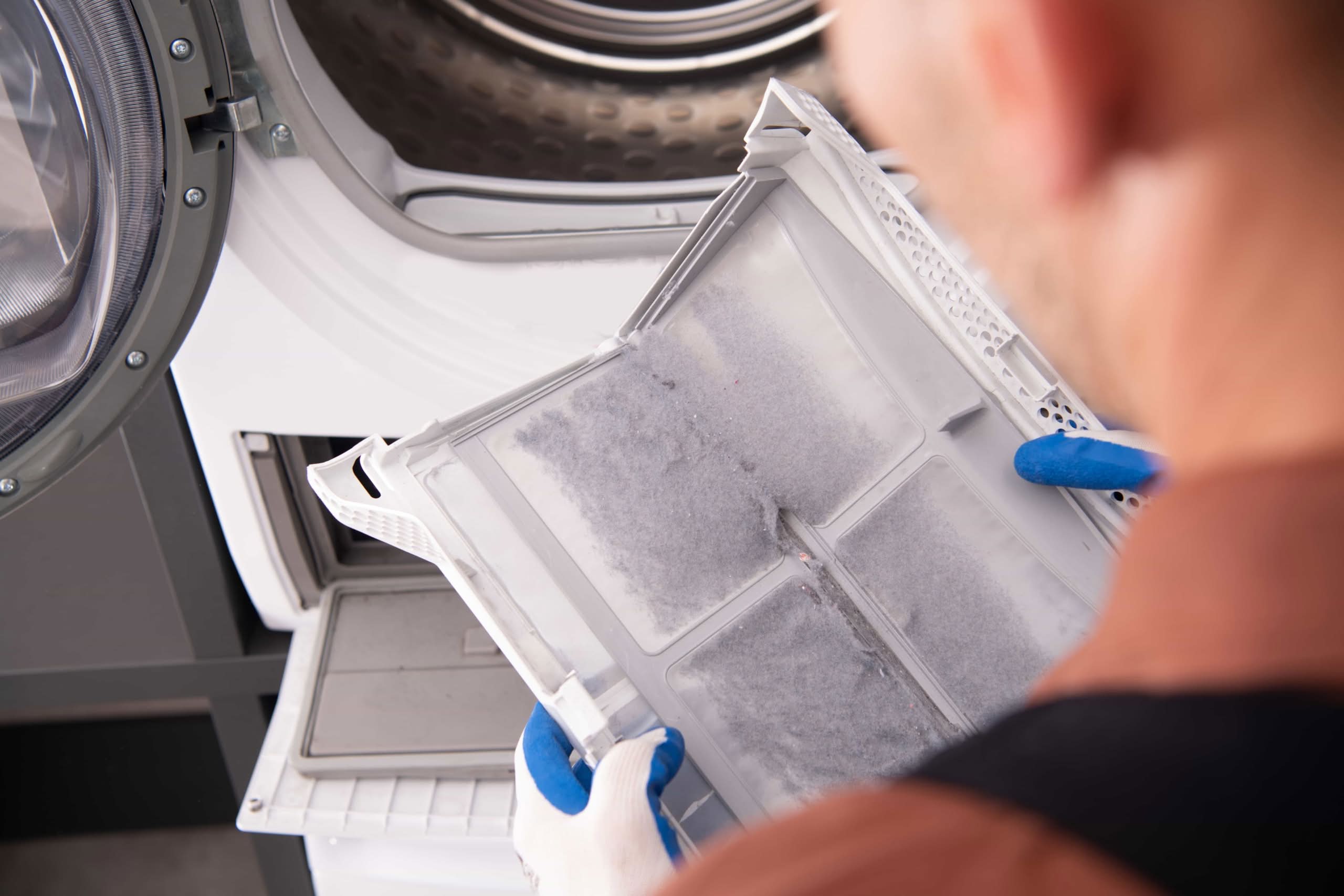
Internal Dryer Cabinet Cleaning: The Proven, Vital Step to Prevent Devastating Home Fires
Quick Answer: Professional internal dryer cabinet cleaning is a deep maintenance safety protocol that removes highly combustible fabric lint accumulating inside the open appliance chassis void. While standard wall vent sweeping restores exhaust velocity, disassembling the metal frame to extract internal debris is the only way to safeguard hot electrical components from direct spark ignition.
Every year, millions of homeowners complete what they believe is a thorough home safety routine. They clear out their lint screens after every load. They run a flexible brush through the wall duct and check that the exterior exhaust flap opens freely.
The Fire Hazard Hiding in Plain Sight
Because air moves freely from the machine to the outside world, homeowners assume their laundry room is safe. Unfortunately, this routine creates a dangerous illusion of safety. True fire prevention requires a much deeper level of maintenance: regular internal dryer cabinet cleaning.
📌 Key Takeaways
Chassis Fuel Removal: Eliminates highly volatile lint buildup resting directly on active electrical components.
Combustion Mitigation: Safely isolates hot heating coils and burner tubes from loose fabric tinder.
Motor Lifespan Protection: Prevents bearing insulation failures caused by dense, trapped internal heat layers.
Code-Compliant Maintenance: Complements annual wall duct sweeping for true top-to-bottom property protection.
Risk Prevention: Avoids life-threatening DIY shock, gas leak, and laceration hazards.
Table of Contents
What is Internal Dryer Cabinet Cleaning?
The Mechanics of Deception: How Lint Bypasses Your Screen
The Critical Thermal Danger: The Illusion of a Clean Vent
The Heavy Cost of Neglect: Efficiency and Appliance Longevity
The Severe Dangers of Attempting a DIY Cabinet Clean
The Precision Protocol: What Professional Cleaning Entails
Warning Signs Your Machine is Due for a Deep Clean
Frequently Asked Questions (FAQ)
Conclusion: Protect Your Home and Family
Quick Answer: The internal cabinet is the unsealed hollow void inside your appliance’s exterior steel skin that houses the active drive motor, electrical wiring, and primary thermal units.
To understand why this safety step is so critical, you must first understand the structural anatomy of a modern clothes dryer. When you look at your appliance, you see a solid, painted steel box. Inside that box sits a large spinning drum where your clothes tumble.
Anatomy of the Internal Void
Surrounding that drum, inside the metal exterior skin of the machine, is an open, unsealed void. This area is the internal dryer cabinet. This hidden zone houses the most critical, sensitive, and hazardous mechanical and electrical components of the appliance.
Within this dark, enclosed space, vital electrical and gas systems operate continuously. These parts are highly vulnerable to fine debris accumulation:
The high-wattage electrical heating element housing or gas burner assembly.
The heavy-duty main drive motor, drive belt, and idler pulley system.
Intricate electrical wiring harnesses and terminal blocks.
Highly sensitive cycling thermostats, thermal cut-offs, and safety fuses.
Every single time your dryer runs, fine particles of fabric fibers break away from your clothes. This damage occurs due to intense heat and mechanical friction. While the mesh lint screen catches a large percentage of these fibers, it is far from an airtight seal.
Over months and years of continuous operation, microscopic particles escape the primary airstream. They slowly settle inside this mechanical void, coating these volatile parts in a thick blanket of tinder.
Quick Answer: Heavy air pressure fluctuations inside the lint trap frame force microscopic fabric particles through small unsealed seams, allowing debris to coat internal electronics via static charge.
Many homeowners assume cleaning the lint screen after every single load keeps the inside of their machine pristine. This is a dangerous misconception. The lint trap housing inside your dryer experiences immense negative and positive air pressures.
How Micro-Fibers Escape the Primary Trap
These heavy pressures are generated continuously by the internal blower wheel. As the exhaust fan forces hot, moist air out toward the wall duct, fine micro-fibers slip through tiny gaps.
⚠️ Common Mistake: Believing that an immaculate lint screen means the interior machine chassis is clear. Microscopic fibers constantly slip past plastic mesh frames during high-pressure cycles.
Once these fibers escape into the internal cabinet, they accumulate like snow during a winter blizzard. The sticky, static-charged environment inside the machine causes the lint to cling to every available surface.
Over time, this creates a thick, fuzzy blanket of highly flammable material. This blanket coats the motor, sits on electrical wiring, and drifts close to open gas flames or glowing heating elements. Internal accumulation continues to grow with every single cycle, regardless of how clean your wall vents are.
Quick Answer: Clearing a wall vent restores airflow but does not remove the dangerous blanket of combustion fuel already resting directly on internal ignition sources.
Cleaning your external wall vent is fantastic for optimizing system airflow. However, a clear path to the outside world does not magically remove the blanket of fuel sitting inside your dryer chassis.
Why Airflow Optimization Does Not Clear the Chassis
Prioritizing wall duct cleaning while neglecting internal dryer cabinet cleaning can sometimes accelerate mechanical problems. If a dryer’s internal components are already choked with lint, mechanical strain on the motor remains exceptionally high. This scenario creates an environment ripe for structural ignition.
📊 Data Point: According to safety incident records tracked by the National Fire Protection Association (NFPA), failure to clean out hidden lint and structural obstructions remains the single leading cause of home clothes dryer fires.
A staggering percentage of these structural fires do not start inside the wall duct. Instead, they ignite directly inside the appliance casing when accumulated lint comes into contact with the heat source.
| Fire Risk Factor Matrix | Impact of Clean Wall Vent Only | Impact of Complete Internal Clean |
| Airflow Path Obstruction | Fully Resolved | Fully Resolved |
| Cabinet Fuel Load (Lint Accumulation) | Unresolved (High Risk) | Completely Eliminated (Safe) |
| Component Overheating Potential | Partially Mitigated | Fully Mitigated |
| Static Spark Ignition Threats | Unresolved (High Risk) | Completely Eliminated (Safe) |
When lint ignites inside the cabinet, it instantly turns into a raging, self-sustaining fire. This fire is fed constantly by the dryer’s internal air intake.
Because the fire is trapped inside the sheet metal body, you may not see smoke until flames breach the exterior. By then, the fire has already spread to your drywall, laundry baskets, and structural wall framing. Neglecting the interior chassis completely invalidates the safety work done to your wall vents.
Quick Answer: Accumulated lint wraps around internal drive components like a thick thermal insulator, causing motor lubricants to dry out and triggering premature mechanical collapse.
Beyond the catastrophic threat of a residential fire, neglecting your internal cabinet takes a massive financial toll on your household budget. When lint accumulates around the main drive motor, it acts as a thermal insulator.
Overheating Bearings and Mechanical Stress
Electric motors require free airflow across their casings to dissipate intense operating heat. This heat is generated by spinning heavy, wet loads of laundry at high speeds.
Wrapped in a dense blanket of lint, the motor runs significantly hotter than its engineered safety thresholds. This overheating causes the internal lubricants inside the motor bearings to dry out, break down, and fail prematurely.
You will begin to notice your dryer straining, humming loudly, or shutting off mid-cycle due to thermal overload protections. Replacing a burned-out drive motor is an expensive mechanical repair. This failure frequently forces homeowners to discard an otherwise perfectly good appliance.
Quick Answer: Servicing the interior appliance core requires specialized training due to high-voltage residual shocks, gas line leak risks, and razor-sharp stamped metal framework.
When confronted with the reality of internal lint buildup, some homeowners consider tackling this task as a weekend DIY project. We strongly discourage DIY internal dryer cabinet cleaning.
Opening the structural chassis of a modern major appliance is a highly complex, technical undertaking. Attempting to service the interior cabinet yourself exposes you, your family, and your property to severe, irreversible risks.
The 5 Fatal Risks of Self-Servicing
High-Voltage Electrical Shock Hazards: Residential dryers operate on heavy-duty 240-volt electrical connections. Even when completely unplugged, internal components like large capacitors can retain a lethal electrical charge for hours. One misplaced metal tool can result in fatal electrocution.
Gas Line Ruptures and Volatile Leaks: Opening a gas-powered dryer cabinet requires working directly around sensitive burner tubes and flexible supply lines. Accidental bumps can crack aged brass fittings, leading to silent carbon monoxide pooling or explosive natural gas leaks.
Structural Destruction of Electronic Control Boards: Modern dryers utilize highly advanced printed circuit boards (PCBs) and micro-volt thermal sensors. Electrostatic discharge (ESD) from your bare hands can instantly fry an expensive control board, causing catastrophic shorts.
Razor-Sharp Internal Sheet Metal Edges: The internal structural framing consists of raw, stamped galvanized sheet metal. These hidden interior edges receive no deburring at the factory and are sharp enough to slice through tendons effortlessly.
Voiding Your Manufacturer Warranty: Breaking factory chassis seals or disassembling panels yourself will immediately void your appliance warranty. Factory technicians easily detect unauthorized DIY entry, leaving you financially responsible for future component breakdowns.
Quick Answer: Certified technicians follow an exact utility-isolation and extraction protocol using commercial anti-static HEPA vacuums and specialized disassembly tools.
Relying on an elite, specialized professional service is the only logical, safe choice for homeowners. True maintenance requires specialized diagnostic instrumentation and heavy-duty extraction machinery that consumer tools cannot replicate.
💡 Expert Insight: “As of 2026, appliance integration data reveals that modern smart-dryers rely on ultra-sensitive safety sensors. These components are easily damaged by imprecise DIY vacuuming but thrive under calibrated pneumatic extraction.”
Our factory-trained technicians follow an exhaustive, systematic process during every single service appointment to guarantee household safety:
Step 1: Complete Utility Isolation
Before a single tool touches your machine, we safely disconnect and lock out all 240V electrical connections. We also secure gas supply valves using commercial safety protocols to eliminate shock and leak risks.
Step 2: Precision Mechanical Disassembly
We utilize specialized, model-specific tools to carefully remove the front or rear structural bulkheads, drive belts, and sub-panels. This step is executed without putting stress on delicate electronic control units or internal wiring paths.
Step 3: Anti-Static HEPA-Filtered Extraction
We never use compressed air that blows dangerous, allergen-heavy dust throughout your living spaces. Instead, we employ medical-grade, anti-static HEPA vacuum systems to fully extract compressed lint blockages from cabinet floors, motor housings, and heat shields.
Step 4: Full Multi-Point Component Inspection
While the cabinet is fully open, we conduct a comprehensive inspection of your drive belt, idler pulleys, and blower wheel assemblies. This allows us to spot signs of structural wear, cracking, or misalignment, catching minor issues before they cause sudden appliance breakdowns.
By trusting certified professionals, you secure total peace of mind knowing the job is executed flawlessly, safely, and in full compliance with local fire codes. Learn more about our team’s credentials and industry commitment on our About Complete Dryer Vent Page.
Quick Answer: Trap failures typically manifest via burning odors, excessively hot outer steel casings, or recurring thermal fuse shutdowns.
Your dryer will almost always give you subtle warning signs that its internal components are choking. Watch out for these critical structural red flags:
The Dryer Casing Feels Burning Hot to the Touch: Touch the top or sides of your machine midway through a cycle. If the metal skin feels exceptionally hot, heat is being trapped inside the cabinet by a thick blanket of lint acting as insulation.
A Persistent Faint Burning Smell: If you notice a sweet, smoky, or charring odor in your laundry room during operation, micro-lint particles are drifting directly onto heating elements and scorching. This is an active emergency safety sign.
Repeated Thermal Fuse Failures: If your dryer suddenly stops heating, it means interior cabinet temperatures reached dangerously high levels, blowing the safety fuse. Replacing the fuse without cleaning the cabinet ensures it will fail again.
Excessive Debris on the Floor or Baseboards: Pull your machine away from the wall. If you see a layer of loose lint settling on the floor, internal exhaust seals have failed, and lint is actively filling the interior space.
✅ Quick Tip: If your machine shuts down mid-cycle and refuses to turn back on until it cools down, your motor is actively overheating due to severe internal chassis lint insulation.
Frequently Asked Questions
Is internal dryer cabinet cleaning different from regular vent cleaning?
Yes. Regular vent cleaning clears the long pipe that runs from the back of the machine to the outside wall. Internal dryer cabinet cleaning requires carefully disassembling the main metal housing of the appliance to remove combustible lint that has bypassed the screen and coated the internal motor, electrical components, and heat shielding.
How does lint get inside the internal dryer cabinet if I clean the trap?
The immense positive and negative air pressures created by the internal blower wheel force fine fabric micro-fibers through tiny, non-gasketed gaps around your plastic lint filter frame. Over time, these tiny particles escape the main airflow stream and coat every mechanical surface inside the unsealed chassis void.
Why is a dirty internal dryer cabinet considered a severe fire hazard?
The internal cabinet houses the direct heat source of your appliance, such as glowing electrical elements or gas burner assemblies. When bypassed lint builds up inside this space, it coats these hot elements in a flammable blanket of tinder that can instantly ignite from a single electrical spark or thermal flare.
Can I clean the internal cabinet of my clothes dryer myself?
No. Safety organizations strongly discourage DIY internal cabinet servicing. Opening the machine frame exposes you to high-voltage residual electrical shock, razor-sharp raw sheet metal edges, potential gas line leaks, and the risk of permanently frying expensive computerized control boards.
How often should an internal dryer cabinet cleaning be performed?
While your external wall ducts should be professionally swept once every 12 months, a comprehensive internal cabinet deep cleaning is typically recommended every 18 to 24 months, depending on your weekly laundry volume and the age of your appliance.
Protect your Home today!
Do not fall into the dangerous trap of assuming a clean wall duct means a safe home. True appliance efficiency, structural fire safety, and total operational reliability require looking deep inside the machine. Neglecting internal lint accumulation creates a hidden hazard that spikes your operating costs, wears out vital drive motors, and sets the stage for dangerous chassis fires.
Take immediate action to secure your household:
Touch the outer metal shell of your machine mid-cycle to check for abnormal radiant heat trapping.
Address any sweet, musty, or smoky aromas in your utility room immediately.
Schedule an annual multi-point inspection with an experienced local specialist.
Let the certified pros restore your peace of mind. Our highly trained team specializes in comprehensive, top-to-bottom dryer safety inspections and deep cleaning services. We possess the exact specialized diagnostic tools, safety equipment, and technical knowledge needed to safely disassemble your machine, clear out the hidden hazards, and restore your entire system to peak factory performance.
Protect your home, protect your family investment, and eliminate the hidden dangers lurking right inside your laundry room. Reach out to the certified team at Complete Dryer Vent to book your professional structural safety assessment today!

