
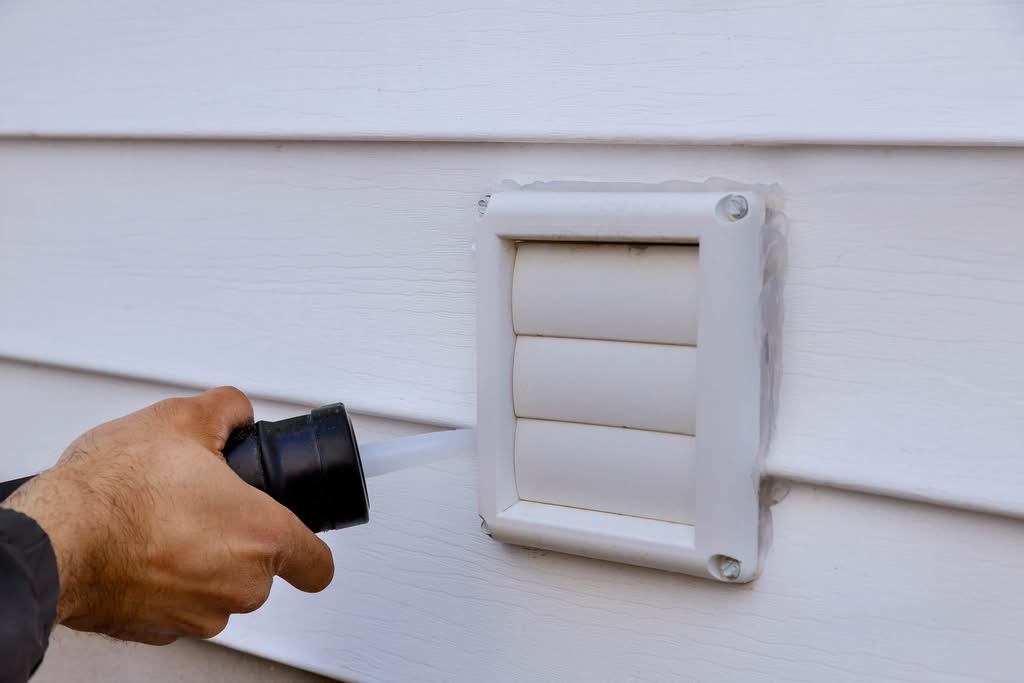
The Critical Role of the Exterior Vent Cover
In the sophisticated ecosystem of modern home maintenance, the smallest openings often lead to the most significant structural headaches. If you perform a perimeter check of your property, you will notice various exhaust points, dryer vents, bathroom exhausts, and kitchen flues. However, many homeowners overlook a vital question: Is your exterior vent cover inviting pests?
An exterior vent cover serves as the primary barrier between your home’s internal mechanical systems and the external environment. While it may appear to be a minor architectural detail, it plays a massive role in protecting your property from invasive species, moisture intrusion, and catastrophic energy loss. Bird-proof terminations represent the frontline defense for your home’s ventilation system, ensuring the intersection between your interior breathing system and the outside world remains secure.
Without an engineered, high-quality exterior vent cover, these openings become an open invitation for starlings, sparrows, and rodents. This guide explores the professional necessity of upgrading to premium terminations to ensure a safer, more efficient living environment.
The Hidden Hazards of Standard Plastic Vents
Most residential construction utilizes “builder-grade” materials to minimize costs. This often includes the installation of thin, plastic “louvered” vent covers. While these may pass initial inspection, they are notorious for rapid degradation. The flimsy plastic slats frequently warp under UV exposure or snap off entirely, leaving a gaping breach in your home’s protective envelope.
A compromised or missing exterior vent cover is a catalyst for several severe issues:
- Avian Colonization: Birds create dense nests inside ducts, leading to total airflow blockages.
- Rodent Infiltration: Rats and mice enter through these gaps, often migrating into attics and chewing through critical electrical wiring.
- Insect Infestations: Bees, wasps, and hornets utilize warm ductwork to build protected colonies.
- Structural Decay: Moisture entering through unsealed vents causes localized wood rot and mold growth within drywall.
- Efficiency Loss: Compromised vents lead to heat leakage, forcing HVAC systems to work harder and increasing monthly utility costs.
Birds, specifically, view these openings as a “luxury suite.” Dryer vents provide consistent warmth and a renewable supply of soft nesting material (lint). Once a nest is established, it becomes a severe fire hazard. According to the National Fire Protection Association (NFPA), the failure to clean dryer vents and protect exhaust points is a leading cause of domestic fires.
Understanding Bird-Proof Terminations
Bird-proof terminations are high-performance exterior vent cover systems designed to facilitate maximum airflow and lint expulsion while maintaining a zero-entry policy for wildlife. Unlike standard retail covers, professional-grade terminations are constructed from heavy-duty powder-coated steel or high-impact, UV-stabilized polymers.
Professional Note: A true bird-proof termination does not rely on flimsy plastic flaps. It utilizes mechanical seals, such as magnetic closures or weighted dual-damper systems, that only activate when the internal fan is operational.
When the airflow stops, the termination “door” snaps shut with a physical seal that prevents even the most persistent starlings or squirrels from prying it open. A professionally specified exterior vent cover offers:
- Reinforced Physical Barrier: Resists pecking, chewing, and scratching from wildlife.
- Lint-Safe Screening: Internal geometries that prevent bird entry without causing the dangerous “lint-trap” effect common in low-end hardware.
- Climate Resilience: Construction that maintains its shape and function during extreme temperature swings and hail.
The Science of Pest Intrusion: Why Birds Target Your Vents
Understanding the biological drivers behind pest behavior is essential for effective prevention. Pests exploit a vulnerable exterior vent cover because it satisfies several survival instincts:
- Thermal Signatures: During colder months, the heat escaping from a bathroom or dryer vent acts as a beacon for local wildlife seeking a regulated microclimate.
- Structural Vulnerability: A cracked or warped louver is a mechanical weakness. Once a bird or rodent gains a foothold, they can leverage the opening to gain full entry.
- The “Lint Factor”: For birds, a dryer vent is a factory for nesting material. The constant supply of dry, soft lint allows them to build nests faster than in natural environments.
Legal Compliance: The Migratory Bird Treaty Act
It is crucial to recognize that many common nesting birds are protected under the Migratory Bird Treaty Act. If an exterior vent cover has been breached and a nest with eggs or young chicks is present, it is often illegal to remove it until the birds have fledged. This is why proactive installation by a professional service like Complete Dryer Vent is vital, stopping the problem before it becomes a legal and ecological complication.
Why Professional Grade Materials are Non-Negotiable
We do not view an exterior vent cover as a standalone piece of plastic; we view it as a critical component of a home’s life-safety system.
Professional-grade materials outperform retail alternatives in three key metrics:
- Airflow Dynamics: Standard covers often create backpressure, which damages dryer motors and increases drying times. Premium terminations are aerodynamically tested to ensure maximum CFM (Cubic Feet per Minute) output.
- Material Longevity: UV degradation is the primary killer of plastic vents. Professional metal or high-grade polymer covers are designed for a 10-15 year lifecycle, whereas standard vents often fail within 24 months.
- Mechanical Reliability: Magnetic and weighted dampers ensure the seal remains airtight against wind-driven rain and pests, a feature rarely found in builder-grade stock.
Why Professional Installation Outperforms DIY Efforts
While many homeowners attempt to replace a vent cover as a weekend project, the risks associated with improper installation are significant. For a truly secure exterior vent cover, professional intervention is the only recommendation for several reasons:
Heights and Accessibility
Many exhaust points are located on second stories or rooflines. Professional technicians utilize specialized OSHA-compliant equipment to reach these areas safely, ensuring the termination is installed level and securely fastened to the structure.
The “Trap” Risk and Sanitization
Installing a new exterior vent cover over an existing problem is a recipe for disaster. If a bird or rodent is trapped inside the ductwork, it will perish, creating a biohazard and a severe odor issue inside the home. Professional installers use high-definition borescope cameras to inspect the ductwork before sealing. If contamination is found, a professional Dryer Vent Cleaning and sanitization process using HEPA-filtered vacuums is required.
Structural Sealing and Flashing
An exterior vent cover is only as good as its seal against the building’s siding. Professionals ensure that high-grade, UV-resistant industrial sealants are used to prevent water from seeping behind the vent, which is a leading cause of hidden wall rot and mold.
Long-Term Maintenance: Ensuring Structural Integrity
To ensure your exterior vent cover remains a viable defense, a professional maintenance schedule should be followed.
- Biannual Inspections: Schedule a visual check in the Spring (post-winter stress) and Fall (before peak nesting season).
- Debris Clearance: Even the best bird-proof terminations can accumulate external debris like leaves or spider webs. A professional clearing ensures the mechanical dampers move freely.
- Sealant Assessment: Over time, building settling can cause gaps in the caulking around the vent. Re-sealing by a technician ensures the envelope remains airtight.
- CFM Testing: Professionals use anemometers to measure the airflow exiting the exterior vent cover. A drop in CFM indicates a potential internal obstruction that requires immediate attention.
The cost of a premium exterior vent cover and professional installation is a fraction of the potential losses associated with neglect.
- Fire Remediation: A dryer vent fire can result in tens of thousands of dollars in property damage.
- Pest Removal: Once birds enter the attic through a vent, professional remediation and insulation replacement can cost upwards of $2,000.
- Energy Consumption: A drafty or blocked vent can increase clothes drying time by 50%, significantly impacting your monthly electric or gas bill.
Investing in a high-quality exterior vent cover is a proactive financial decision that preserves home value and reduces long-term liability.
Conclusion: Take the Positive Step Toward a Pest-Free Home
Do not wait for a bird to turn your dryer vent into a sanctuary. Upgrading to a professional exterior vent cover is a definitive, cost-effective way to protect your property, extend the lifespan of your appliances, and gain much-needed peace of mind.
Your exterior vent cover is more than a simple household accessory; it is a critical safety component. Small openings invite serious problems, but quality bird-proof terminations provide long-term protection. At Complete Dryer Vent, we specialize in the comprehensive health of your ventilation system, from the internal mechanical connections to the outer edge of your roof line.
The cost of a professional vent cover installation is significantly lower than a single home insurance deductible or the price of professional pest remediation. It is a proactive investment that pays for itself through energy efficiency and the prevention of structural damage.

