The Unseen Hazard: Understanding the Risks of a Clogged Dryer Vent
A blocked dryer vent poses a triple threat to your home, impacting your safety, your finances, and your health.
The Foremost Danger: Fire Risk
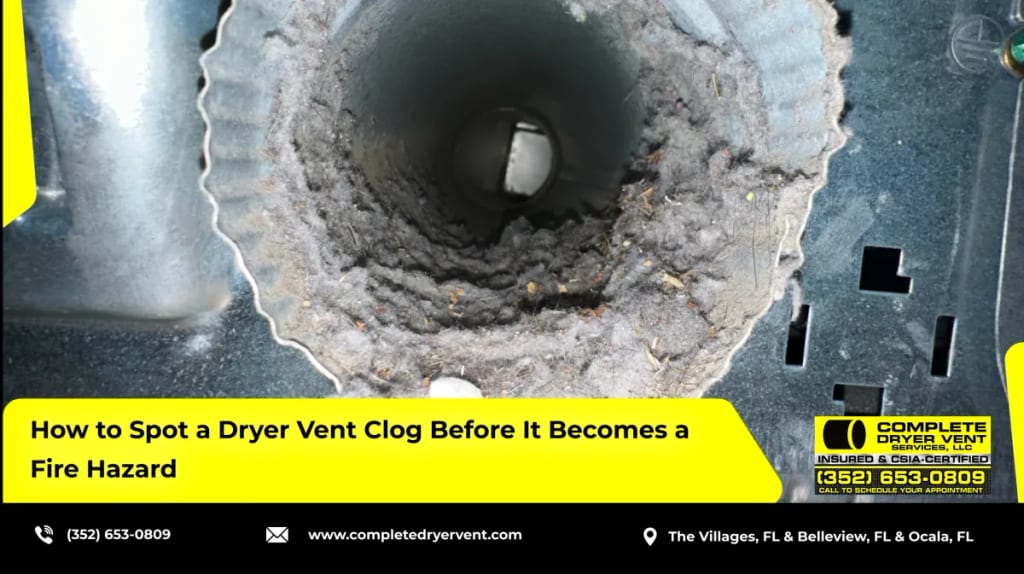
The most critical reason for annual maintenance is fire prevention. According to the National Fire Protection Association (NFPA), fire departments in the U.S. respond to an estimated 15,970 home structure fires involving clothes dryers or washing machines each year. The overwhelming majority of these incidents—92%—involve clothes dryers.
These fires have devastating consequences, causing deaths, hundreds of injuries, and over $238 million in property damage annually. The leading factor contributing to these thousands of fires is simple: failure to clean. This single point of negligence accounts for one-third of all clothes dryer fires, with the highly combustible lint and dust being the first material to ignite.
The Financial Drain: Skyrocketing Energy Bills
When a dryer vent is clogged, airflow is severely restricted. This forces your dryer to work much harder and run significantly longer to dry the same load of clothes. A standard 45-minute cycle can easily double in time, causing a noticeable spike in your monthly energy bill and placing unnecessary strain on the appliance. A professional dryer vent cleaning restores optimal airflow, allowing your dryer to operate efficiently and saving you money.
The Health Hazard: Mold and Carbon Monoxide
Florida’s high humidity creates the perfect storm inside a clogged dryer vent. The trapped moisture from damp clothes combined with the warmth and darkness inside the ductwork creates an ideal breeding ground for mold and mildew. These spores can then be pushed back into your laundry room, degrading your home’s indoor air quality and potentially triggering allergies, asthma, and other respiratory issues.
For homes with gas dryers, the danger is even more acute. A blockage can prevent the proper exhaustion of combustion gases, causing deadly carbon monoxide (CO) to back up into your home.
Unique Challenges for Dryer Vent Cleaning in The Villages, FL
The beautiful and diverse home styles in The Villages present specific challenges for dryer vent systems that make professional maintenance even more critical.
- Courtyard and Patio Villas: These charming homes are often built with interior laundry rooms. To accommodate this, builders often install very long and complex vent paths that run through attics, under concrete slabs, or through tight interior walls with multiple 90-degree bends.
- Designer and Premier Homes: Larger custom homes may have laundry rooms located centrally for convenience, which also results in extended duct runs to reach an exterior wall or the roof.
According to the ICC Digital Codes, the maximum allowable length for a dryer duct is 35 feet, and that length is reduced by 5 feet for every 90-degree bend. Many vent systems in The Villages exceed these effective lengths, making them inherently prone to lint accumulation and blockages. These long, winding paths are nearly impossible to clean effectively with standard DIY tools.
The Professional Difference: What a CSIA-Certified Cleaning Involves
A common misconception is that cleaning the lint trap and using a simple brush kit from a hardware store is sufficient. These methods can’t reach deep into complex systems and often fail to remove compacted blockages, sometimes even making the problem worse by pushing lint further in or causing the brush to get stuck.
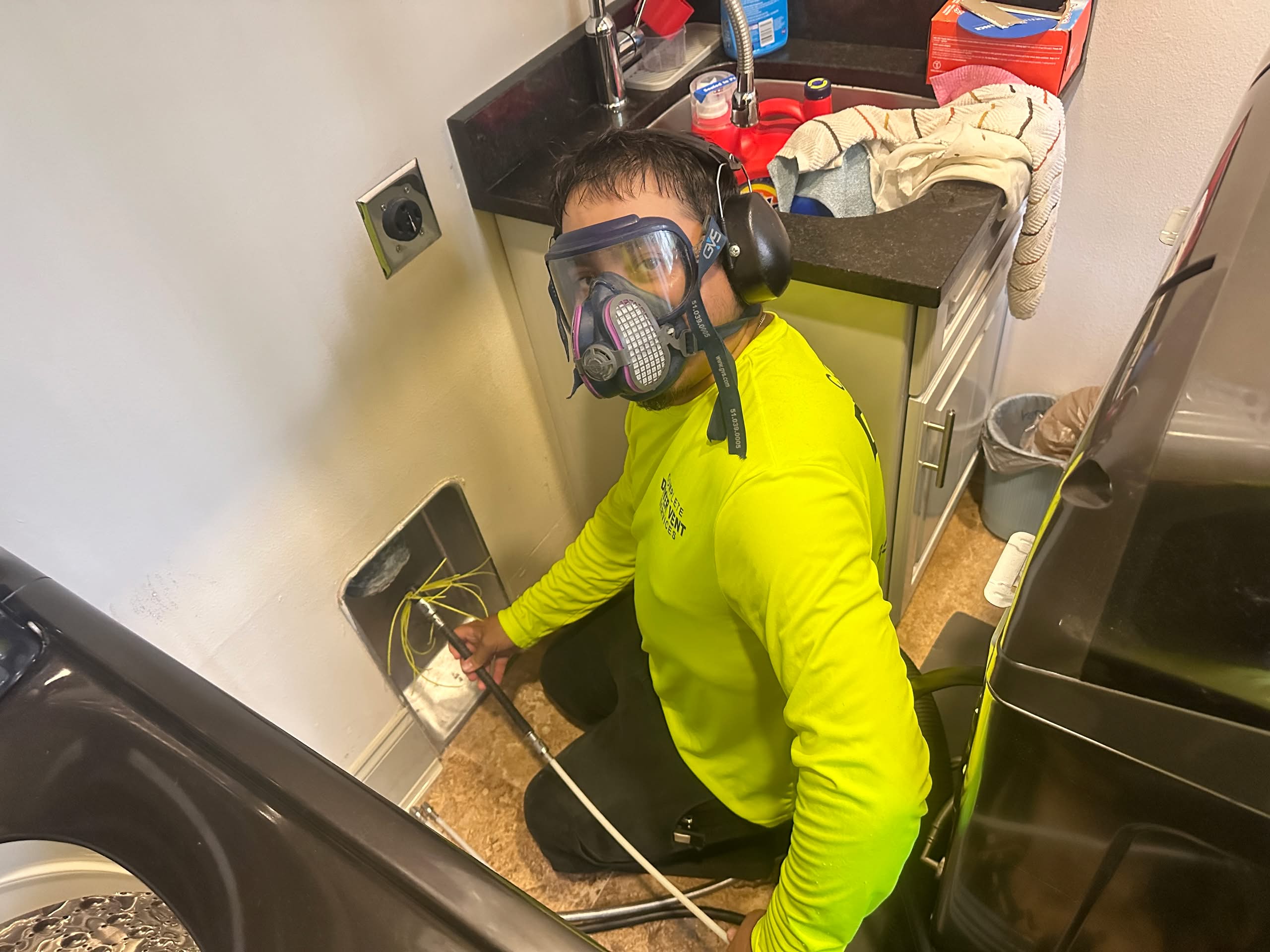
A professional service from a CSIA-Certified Dryer Exhaust Technician® is a far more thorough and scientific process. At Complete Dryer Vent, our CSIA Certified vent cleaning follows a meticulous 5-step process to restore your entire system to peak safety and efficiency.
- Inspect: We begin with a full system inspection, tracing the vent routing from the dryer to the exterior termination. We check for code-compliant materials, proper connections, and measure the initial airflow with an anemometer to establish a baseline.
- Clean: Using specialized tools, including high-powered HEPA vacuums, air compressors, and flexible rotating brushes, we aggressively dislodge and remove all lint, debris, and even bird nests from the entire length of the vent line. This includes cleaning the often-overlooked lint chute and dryer discharge tube inside the appliance itself.
- Photograph & Document: We take high-resolution before-and-after photos of the vent interior, the exterior termination, and our airflow readings. This provides you with indisputable visual proof of the work performed.
- Measure & Optimize: After cleaning, we take a final airflow reading to scientifically verify that the blockage has been removed and your system is operating at optimal efficiency.
- Educate & Recommend: We provide you with a detailed service report and walk you through our findings. If we discover any safety concerns, such as flammable plastic transition ducts or crushed lines, we will show you the issue and explain your options for a dryer vent repair.
DIY vs. Professional Cleaning: A Cost and Safety Analysis
While a DIY kit may seem like a cost-saving measure, it’s important to weigh the true costs and risks.
| Factor | DIY Cleaning Kit | Professional Dryer Vent Cleaning in The Villages, FL |
| Initial Cost | $30 – $75 | $100 – $250, depending on vent length and location |
| Effectiveness | Low. Often fails to remove compacted lint in long or complex vents. | High. Specialized tools clean the entire system from end to end. |
| Safety Risk | Moderate to High. Risk of damaging the vent, getting tools stuck, or failing to remove the fire hazard. | Low. Performed by trained, insured, and certified technicians. |
| Verification | None. No way to confirm if the blockage is truly gone. | High. Airflow readings and photo evidence provide scientific proof of a clean vent. |
| Long-Term Value | Low. Incomplete cleaning means the problem returns quickly. | High. Prevents fires, lowers energy bills, and extends appliance life. |
For the complex vent systems common in The Villages, the value and peace of mind offered by a professional service far outweigh the minimal cost of a DIY kit.
Understanding Florida Building Codes for Dryer Vents
Adherence to building codes is not just a formality; it’s a critical aspect of home safety. A professional, certified technician ensures your system is compliant. The ICC Digital Codes outlines several key requirements:
- Termination: The vent must terminate on the outside of the building and be equipped with a backdraft damper.
- No Screens: Screens are explicitly prohibited at the duct termination because they trap lint and create blockages.
- Materials: The duct must be constructed of smooth interior metal with a minimum thickness and a nominal diameter of 4 inches. Flimsy plastic or foil transition ducts are a fire hazard and should be replaced.
- Fasteners: Ducts shall not be connected with sheet metal screws or other fasteners that protrude into the duct and obstruct airflow by catching lint.
When Cleaning Isn’t Enough: Repair and Rerouting
During our inspection, we sometimes find issues that a cleaning alone cannot solve. In these cases, we provide honest recommendations for permanent solutions.
- Dryer Vent Repair: This is necessary for disconnected joints, crushed sections of pipe, or vents made from unsafe materials like vinyl or foil. A damaged vent line not only operates inefficiently but can also leak hot, moist air and lint into your walls or attic.
- Dryer Vent Rerouting: If your existing vent path is excessively long, has too many bends, or terminates in an unsafe location (like a garage or under a deck), a reroute may be the best option. A shorter, more direct path dramatically improves dryer efficiency, reduces lint buildup, and brings your home into compliance with building codes.
The Complete Dryer Vent Promise
We have built our reputation through principles.
- Experience: We have successfully serviced thousands of homes across Central Florida, with extensive experience navigating the unique vent configurations found in The Villages.
- Expertise: Our technicians are CSIA Certified, having passed rigorous exams on the proper inspection, cleaning, and maintenance of dryer vent systems.
- Authoritativeness: We are fully licensed and insured in Florida and adhere strictly to the standards set by the NFPA and the Florida Building Code. We are the local authority on dryer vent safety.
- Trustworthiness: We believe safety is never an add-on. Every service includes full photo documentation and airflow readings at no extra charge. We provide honest, transparent recommendations and never use subcontractors, ensuring the person who arrives at your home is a certified professional from our team.
Frequently Asked Questions (FAQs)
- How often should I schedule a dryer vent cleaning in The Villages, FL?
The US Fire Administration and NFPA recommend a professional cleaning at least once a year. Due to Florida’s high humidity, which can cause lint to clump and stick, and for households with pets or frequent laundry, cleaning every six months is advisable. - What are the most common signs of a clogged dryer vent?
The most common warning signs include clothes taking more than one cycle to dry, the outside of the dryer feeling unusually hot, a burning smell when the dryer is running, and visible lint accumulating around the exterior vent opening. - How much does a professional dryer vent cleaning cost?
The cost typically ranges from $100 to $250, depending on the length and accessibility of the vent (e.g., a roof termination is more complex than a ground-level one). This small investment is minimal compared to the cost of a new dryer or the devastating expense of a house fire. - Can I just clean the vent myself?
While DIY kits can remove some loose lint from short, straight vents, they are ineffective for the long, complex systems common in The Villages. They cannot remove compacted blockages and risk damaging the ductwork. A professional service uses specialized equipment to guarantee the entire system is clear. - What does “CSIA-Certified” mean and why is it important?
The CSIA (Chimney Safety Institute of America) Certified Dryer Exhaust Technician® (CDET®) credential is the only nationally recognized certification for this trade. It means the technician has undergone extensive training and passed a rigorous exam covering NFPA standards, local codes, and the physics of venting systems, ensuring they are an expert in the field.
Don’t wait for a warning sign to become a tragedy. A professional dryer vent cleaning in The Villages, FL, is a simple, affordable measure that provides safety and peace of mind. Protect your home and family by scheduling your certified inspection today.
Call Complete Dryer Vent at (352) 653-0809 or click here to book your service online.